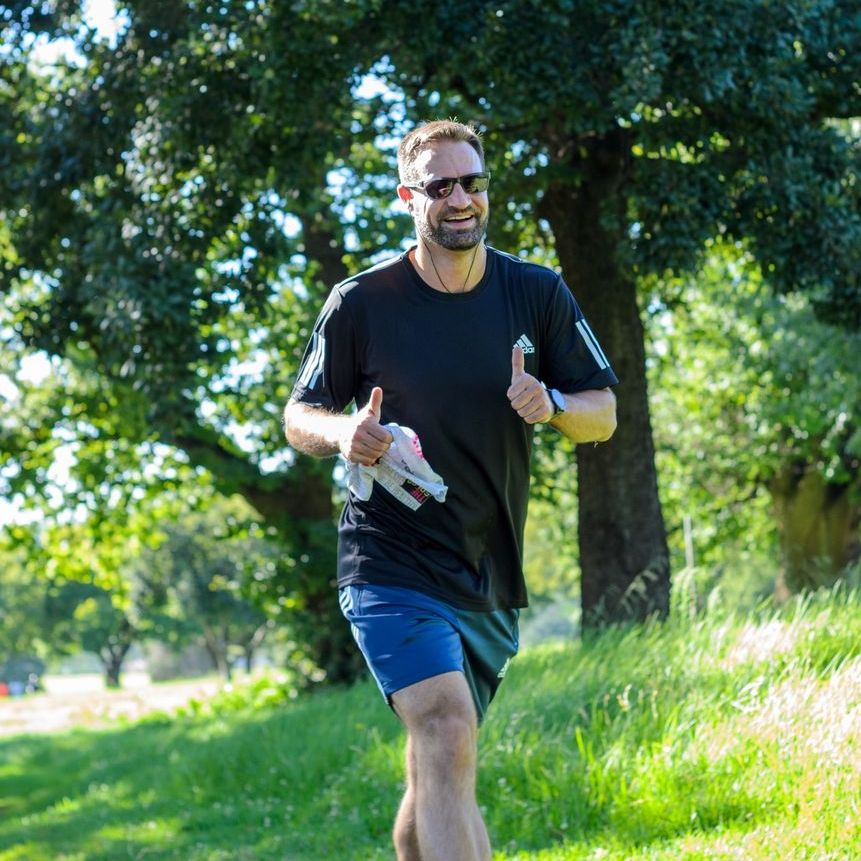
What kind of health harvest are you cultivating? Discover how daily food, movement, sleep, hydration, stress, mindset and lifestyle choices shape your long-term wellness.
Introduction
Every garden eventually tells a story.
Walk through a well-cultivated garden and you can see evidence of attention.
The soil has been prepared.
Seeds have been planted.
Water has been provided.
Weeds have been removed.
Plants have been protected.
And eventually, the garden begins producing a harvest.
Your body and your life work in a surprisingly similar way.
Every day, you are cultivating something.
Every meal is a seed.
Every night’s sleep is part of the cultivation.
Every walk is a seed.
Every stressful reaction can become a seed.
Every nourishing thought can become a seed.
Every repeated habit becomes part of the garden.
And eventually, those choices begin producing results.
The important question is therefore not simply:
“Am I healthy today?”
A deeper question is:
“What kind of health harvest am I cultivating for tomorrow?”
Because today’s garden is often the result of yesterday’s cultivation.
And tomorrow’s harvest is being planted today.
Your Health Harvest Is Not Created Overnight
A farmer does not plant a seed in the morning and demand a harvest by evening.
That would be unreasonable.
Yet people often expect their bodies to respond instantly to lifestyle changes.
They may eat one healthy meal and expect immediate transformation.
Exercise once and expect dramatic physical changes.
Sleep well for one night and expect years of exhaustion to disappear.
Drink more water for a day and expect everything to feel different.
But living systems do not work that way.
Growth requires time.
Adaptation requires repetition.
Cultivation requires consistency.
This does not mean that individual healthy choices have no value.
It means their greatest power often comes from repetition.
One seed matters.
But a field is created through many seeds.
One healthy decision matters.
But a lifestyle is created through repeated decisions.
What Are You Planting?
Every day presents you with a collection of seeds.
Some are obvious.
Others are almost invisible.
You plant seeds through:
- what you eat
- what you drink
- how much you move
- how you sleep
- how you handle stress
- what you think about repeatedly
- what you believe about yourself
- who you spend time with
- what information you consume
- how you spend your time
- how you respond to setbacks
- how you care for your environment
- whether you listen to your body’s signals
None of these choices exists completely in isolation.
Together, they create patterns.
Patterns become habits.
Habits become lifestyle.
And lifestyle contributes to the kind of health harvest you cultivate over time.
The Harvest Begins With the Seeds
Imagine two people planting different gardens.
One repeatedly plants nourishment, movement, rest, hydration and healthy routines.
The other repeatedly plants poor sleep, inactivity, excessive stress and highly processed choices.
Neither garden will necessarily look dramatically different after one day.
But give the process enough time and the differences may become much more visible.
This is why the question:
“What did I do today?”
is useful.
But the question:
“What do I repeatedly do?”
is often more revealing.
Your future health is influenced not merely by isolated actions but by patterns of behavior sustained over time.
The Soil Matters
Seeds cannot grow independently of their environment.
That is why the Body Garden Principle has four major components:
Seeds.
Soil.
Weeds.
Harvest.
The seeds are your choices.
The soil is your environment.
The weeds are patterns that compete with your desired growth.
The harvest is what eventually emerges from the entire system.
Consider your environment.
Does your home make healthy choices easier?
Does your schedule allow adequate recovery?
Do you have access to nourishing foods?
Do the people around you support positive changes?
Does your workplace encourage constant stress?
Are you surrounded by information that creates fear, anger and anxiety?
Your environment can either support cultivation or make cultivation harder.
Sometimes changing your health journey requires changing your soil.
Your Kitchen Is Part of Your Garden
One of the most practical places to begin is your kitchen.
Your food environment influences your food choices.
If nutritious foods are available and convenient, they become easier to choose.
If less nutritious foods dominate your environment, they may become the default.
This is not about creating a perfect diet.
It is about designing an environment that supports better decisions.
Ask:
What foods are easiest for me to reach?
What do I normally eat when I am tired?
What do I keep buying even though I know it does not support my goals?
What healthier options can I make more convenient?
Small environmental changes can reduce the amount of willpower required to make better choices.
That is good gardening.
Your Sleep Is Part of the Harvest
Sleep is not wasted time.
It is part of cultivation.
Your body needs periods of rest and recovery.
Yet modern life often encourages people to sacrifice sleep in the name of productivity.
The result can be a strange contradiction:
People work longer because they want to accomplish more, while neglecting one of the foundations that supports their ability to function well.
Ask yourself:
What kind of harvest am I expecting from a garden that I never allow to rest?
Recovery matters.
Your garden cannot be permanently in harvest mode.
There must be periods of restoration.
Movement Tends the Soil
A garden requires tending.
The soil must be cared for.
In the same way, your body benefits from regular movement.
Movement does not have to mean extreme exercise.
Walking counts.
Stretching counts.
Strength-building activity can count.
Dancing counts.
Active work counts.
The appropriate amount and type of activity varies between individuals and circumstances.
The bigger principle is simple:
A body designed for movement should not be treated as though movement is optional.
Find sustainable ways to move.
Start where you are.
Progress gradually.
And make movement part of your normal lifestyle rather than something you do only when you feel guilty.
Hydration Helps Sustain the Garden
Water is another essential part of cultivation.
The body depends on adequate hydration for many normal functions.
Yet hydration can easily disappear from our attention during busy days.
You may become absorbed in work.
You may travel.
You may spend hours in meetings.
You may simply forget.
Instead of treating hydration as something you remember occasionally, make it part of your routine.
Keep water accessible.
Build regular opportunities to drink into your day.
Pay attention to thirst and other bodily signals.
Individual hydration needs vary, so there is no single number that applies perfectly to everyone.
The goal is consistent care rather than obsession.
Stress Can Become a Weed
Not all weeds are physical.
Some live in the mind.
Chronic unmanaged stress can affect how you feel, sleep, behave and function.
That is why stress management belongs inside the Body Garden.
The question is not:
“How can I eliminate all stress?”
That is unrealistic.
The better question is:
“How can I respond to stress more effectively?”
You may need periods of quiet.
You may need movement.
You may need supportive relationships.
You may need boundaries.
You may need better time management.
You may need meaningful recreation.
You may need professional support.
You may need to change circumstances that continually create unnecessary pressure.
Stress management is not weakness.
It is garden maintenance.
Your Thoughts Are Seeds Too
One of the most neglected gardens is the garden of the mind.
What thoughts do you repeatedly plant?
“I can’t.”
“I’m too old.”
“Nothing will change.”
“My body is against me.”
“It’s too late.”
“I always fail.”
Repeated thoughts can influence behavior and motivation.
Now consider alternative thoughts:
“I can start where I am.”
“I can learn.”
“I can make one better choice today.”
“I don’t need perfection.”
“I can improve gradually.”
“I can ask for help.”
These are not magical affirmations.
They are directional statements.
The purpose is not to pretend that problems do not exist.
The purpose is to develop a mindset that makes constructive action more possible.
What Weeds Are Stealing Your Harvest?
Sometimes the problem is not that you are failing to plant good seeds.
The problem is that weeds are taking over.
Ask yourself:
What is consuming my energy without giving value back?
Maybe it is chronic procrastination.
Maybe it is constant worrying.
Maybe it is an unhealthy relationship.
Maybe it is excessive screen time.
Maybe it is poor sleep.
Maybe it is emotional eating.
Maybe it is inactivity.
Maybe it is saying yes to everything and leaving no time for yourself.
Maybe it is constantly comparing yourself with others.
You do not need to remove every weed simultaneously.
Choose one.
Identify it.
Understand it.
Reduce it.
Replace it with something healthier.
Then move to the next.
The Harvest You Want Determines What You Plant
Imagine walking into a garden and saying:
“I want tomatoes.”
Then planting only flowers.
Would you be surprised when tomatoes do not appear?
Probably not.
Yet people sometimes approach life this way.
They want energy but repeatedly sacrifice sleep.
They want physical strength but avoid movement.
They want emotional peace but continually feed stressful environments.
They want better relationships but rarely invest time in connection.
They want financial stability but refuse to examine their spending patterns.
They want meaningful lives but spend little time identifying what actually matters to them.
The principle is simple:
Your desired harvest should influence your daily cultivation.
If you know what you want to grow, you can make better decisions about what to plant.
Define Your Desired Health Harvest
What does wellness actually mean to you?
Do not automatically borrow someone else’s definition.
Maybe your desired harvest is:
- waking with more energy
- moving more comfortably
- sleeping more consistently
- feeling stronger
- improving your relationship with food
- managing stress more effectively
- becoming more emotionally resilient
- having greater confidence
- being more present with your family
- having greater capacity for meaningful work
- aging with greater independence
- developing healthier routines
Your harvest may be different from someone else’s.
That is perfectly acceptable.
The important thing is to define it.
Because vague goals create vague cultivation.
The Baseline Garden
The first step in the Healing Gap Framework is recognizing where you are now.
Call this your Baseline Day.
Do not judge it.
Observe it.
What are your current eating patterns?
How active are you?
How do you sleep?
How do you manage stress?
How hydrated are you?
How do you feel emotionally?
What habits are helping you?
What habits are hurting you?
What does your current garden look like?
Honest observation is not criticism.
It is cultivation.
You cannot intelligently change what you have never examined.
The Freedom Day Garden
Now imagine the direction you want to move toward.
Call this your Freedom Day.
What would a more cultivated version of your life look like?
What habits would exist?
What would you be doing differently?
How would you want to feel?
What would you have more capacity to do?
The purpose is not to create an unrealistic fantasy.
It is to establish direction.
Your Baseline Day tells you:
Where am I?
Your Freedom Day asks:
Where am I going?
The gap between them becomes the space for cultivation.
Do Not Confuse Speed With Progress
Modern culture rewards speed.
Fast food.
Fast communication.
Fast transportation.
Fast results.
But biological and behavioral transformation often requires patience.
A gardener understands this.
You cannot shout at a seed and make it grow faster.
You cannot pull a plant upward by its leaves to accelerate growth.
You cultivate the conditions.
Then you allow time to do its work.
The same principle applies to sustainable lifestyle change.
Build the habit.
Repeat it.
Adjust it.
Learn.
Continue.
Do not mistake slow progress for no progress.
The Harvest Is Also About Who You Become
There is another dimension to the health harvest.
You are not merely cultivating outcomes.
You are cultivating identity.
Every time you keep a promise to yourself, you strengthen self-trust.
Every time you choose movement despite feeling lazy, you reinforce discipline.
Every time you choose rest instead of unnecessary exhaustion, you reinforce self-care.
Every time you prepare a nourishing meal, you reinforce intentionality.
Every time you pause before reacting, you reinforce emotional maturity.
The harvest is therefore not only:
“What did I get?”
It is also:
“Who did I become while cultivating it?”
That may be the greatest harvest of all.
There Will Be Failed Crops
Even experienced gardeners lose plants.
Some seeds do not germinate.
Some crops fail.
Some seasons are difficult.
Your lifestyle journey will have setbacks too.
You may miss workouts.
You may return to old eating habits.
You may sleep poorly.
You may become overwhelmed.
You may lose motivation.
Do not turn one setback into an identity.
A failed day is not a failed life.
A missed habit is not the end of the journey.
Return to the garden.
Plant again.
The Gardener Does Not Quit Because of Weeds
The presence of weeds does not mean the garden is hopeless.
It means the garden needs attention.
That distinction matters.
You are not broken because you have unhealthy habits.
You are not hopeless because you have neglected yourself.
You are not finished because your current garden is not what you want.
You can begin cultivation from where you are.
The first step may be very small.
But small does not mean insignificant.
Your Daily Health Harvest Checklist
At the end of each day, ask yourself:
What did I plant today?
Did I nourish my body?
Did I drink enough fluids for my needs?
Did I move?
Did I rest?
Did I manage stress constructively?
Did I cultivate positive relationships?
Did I feed my mind useful information?
Did I remove at least one weed?
Did I listen to my body’s signals?
Did I do something aligned with my purpose?
You do not need to answer “yes” to everything.
The purpose is awareness.
Tomorrow gives you another opportunity.
Think in Seasons, Not Moments
One bad day should not define your health journey.
One good day should not make you complacent.
Think in seasons.
What has the last month looked like?
What has the last three months looked like?
What patterns have become stronger?
What patterns have weakened?
What is growing?
What is dying?
What needs pruning?
This longer perspective helps you avoid emotional reactions to individual days.
A gardener studies seasons.
You can study your patterns too.
The Harvest You Want Tomorrow Is Being Planted Today
This is the central lesson.
The future is not created entirely in some distant moment.
It is being cultivated through ordinary decisions.
Today’s meal.
Tonight’s sleep.
Today’s walk.
Today’s thought.
Today’s conversation.
Today’s boundary.
Today’s decision to stop ignoring a problem.
Today’s decision to ask for help.
Today’s decision to begin again.
These moments may appear small.
But life is made of small moments.
And repeated small moments become patterns.
Patterns become lifestyles.
Lifestyles contribute to outcomes.
That is why today’s choices matter.
Become the Gardener
You cannot control every condition in your garden.
You cannot control every biological factor.
You cannot control every environmental circumstance.
You cannot guarantee a particular health outcome through lifestyle choices alone.
But there are areas where you have influence.
You can choose what to plant.
You can improve the soil.
You can remove some weeds.
You can water consistently.
You can provide care.
You can learn.
You can seek appropriate professional guidance when necessary.
And you can keep returning.
That is the gardener’s advantage.
The gardener does not demand perfection.
The gardener practices cultivation.
The Question That Changes Everything
Instead of constantly asking:
“What is wrong with my health?”
consider asking:
“What kind of health harvest am I cultivating?”
That question moves your attention from fear to responsibility.
From isolated symptoms to lifestyle patterns.
From quick fixes to cultivation.
From passive waiting to intentional action.
It does not replace appropriate medical care.
It does not promise that every condition can be prevented or reversed through lifestyle.
It simply reminds you that the things within your control deserve attention.
Your Harvest Is Still Being Written
Perhaps your garden today does not look the way you want.
That does not mean the story is finished.
Perhaps you have neglected your health.
Begin again.
Perhaps your habits have become inconsistent.
Rebuild them.
Perhaps stress has taken over your life.
Start removing the weeds.
Perhaps you have forgotten what nourishment feels like.
Begin with one better choice.
Perhaps you have spent years waiting for the perfect moment.
Stop waiting.
The garden does not need perfection.
It needs cultivation.
And cultivation can begin today.
Final Reflection
Close your eyes for a moment and imagine your health as a garden.
Look at the soil.
Look at the plants.
Look at the weeds.
Look at the empty spaces.
Now ask:
What am I growing?
What am I neglecting?
What needs water?
What needs pruning?
What needs protection?
What needs to be planted?
And finally:
What kind of harvest do I want my future self to receive from the garden I am cultivating today?
You may not be able to change everything today.
You do not need to.
Plant one better seed.
Water it.
Protect it.
Repeat.
Then plant another.
Because your health harvest is not created in a single day.
It is cultivated one choice at a time.
Your body is a garden.
Your habits are seeds.
Your environment is soil.
Your patterns are cultivation.
And your future health is the harvest.
Choose your seeds wisely.
Tend your garden patiently.
And keep becoming a better gardener.
#BodyGarden #BodyGardenPrinciple #HealthHarvest #HealthyLifestyle #HealthyHabits #WholisticLiving #HolisticWellness #NaturalWellness #WellnessJourney #LifestyleTransformation #MindBodyWellness #HealthyChoices #IntentionalLiving #SelfCare #Nutrition #Hydration #Movement #SleepAndRecovery #StressManagement #HealingGapFramework #WordplantLivingSystem #CultivateWellness #WellnessMindset #HealthyLiving

