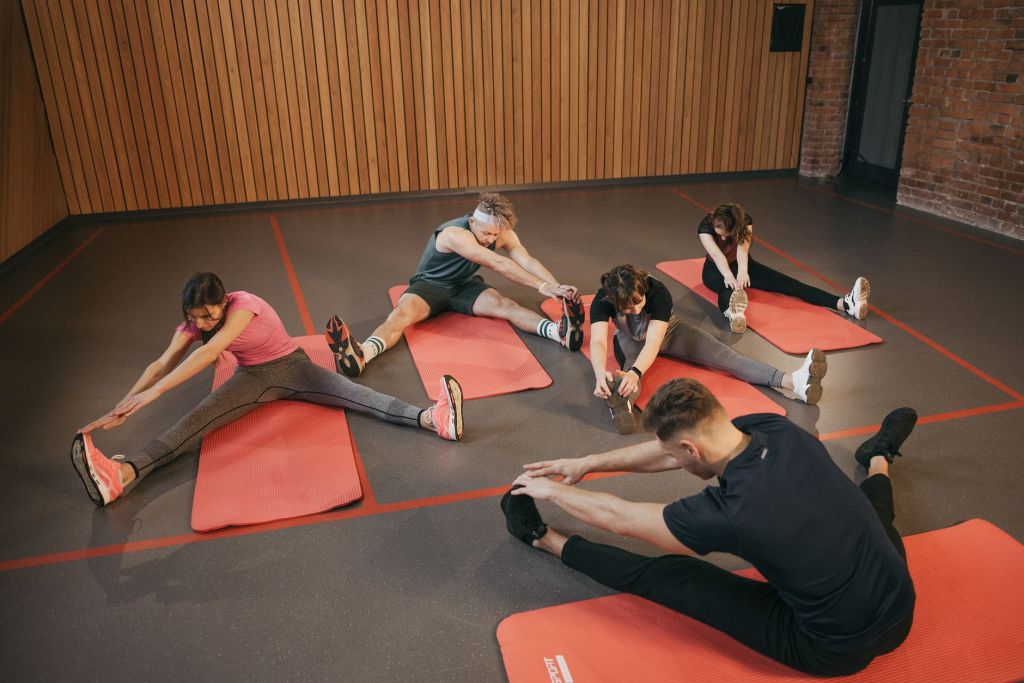
Discover why movement is one of the eight Body Garden Pillars and how regular physical activity can support strength, mobility, circulation, mood, sleep, metabolism, and overall wellness.
Introduction
Imagine having a beautiful garden but never tending the soil, watering the plants, removing weeds, or allowing the plants to receive sunlight.
Over time, the garden would begin to change.
The same principle can be applied to the human body.
Your body is not designed to remain completely still. It is designed to move.
Walking, stretching, bending, reaching, lifting, carrying, dancing, gardening, working, playing and even changing positions throughout the day are all forms of movement.
Movement is therefore more than exercise.
It is one of the fundamental ways we cultivate the body.
This is why movement is one of the Eight Body Garden Pillars in the Body Garden Mastery approach to wellness.
The goal is not to turn everyone into an athlete.
The goal is to help people understand that appropriate, consistent movement is part of caring for the body.
Your Body Is a Living Garden
A garden thrives through activity and attention.
The soil needs care. Water needs to circulate. Plants need sunlight. Roots need space. Growth requires ongoing interaction with the environment.
Your body is similarly dynamic.
Your muscles, bones, joints, heart, lungs, nervous system and brain are constantly responding to what you do—or what you do not do.
Movement sends signals throughout the body.
When you walk, your muscles contract and relax. Your heart responds to the increased demand. Your breathing changes. Your joints move through their available ranges. Your nervous system coordinates thousands of actions.
Even simple movement is a form of communication between different parts of the body.
This gives us an important principle:
Movement is not punishment for eating. Movement is nourishment for the body.
Movement Is More Than Exercise
Many people hear the word “movement” and immediately think about going to the gym.
But movement is much broader than structured exercise.
You can cultivate movement through:
- Walking
- Stretching
- Gardening
- Housework
- Dancing
- Cycling
- Swimming
- Playing with children
- Climbing stairs
- Carrying appropriate loads
- Mobility exercises
- Strength training
- Recreational sports
- Standing up regularly during long periods of sitting
- Gentle joint movements
- Active hobbies
This is important because someone may dislike traditional exercise but enjoy dancing, walking outdoors, gardening or working with their hands.
The question is not simply:
“Do you exercise?”
A better question is:
“How does movement fit into your everyday life?”
Why Movement Matters to the Human Body
Regular physical activity supports many aspects of health.
Movement supports muscles
Muscles adapt to the demands placed upon them.
When muscles are regularly used, they have opportunities to maintain strength and function.
This matters for everyday activities such as:
- Getting out of a chair
- Carrying groceries
- Climbing stairs
- Walking
- Maintaining balance
- Lifting objects safely
- Performing household tasks
Strength is not only about appearance.
It contributes to independence.
As people age, maintaining physical function becomes particularly important.
Movement Supports Bones
Bones are living tissues that respond to physical demands.
Weight-bearing activities such as walking and appropriate resistance exercises can provide mechanical stimulation that supports bone health.
This is one reason why a completely inactive lifestyle can be problematic.
Your skeleton is not merely a framework holding you upright.
It is living tissue that interacts with your muscles, movement and overall physiology.
Appropriate physical activity can therefore be part of a long-term strategy for maintaining physical function.
Movement Supports Circulation
Your cardiovascular system is constantly moving blood throughout your body.
Physical activity increases the body’s demand for oxygen and nutrients, which requires the cardiovascular system to respond.
Regular physical activity can help support cardiovascular fitness and healthy circulation.
But remember:
You do not need an extreme workout to benefit from movement.
A walk around the neighborhood is still movement.
A few minutes of stretching is still movement.
Standing up after sitting for a long period is still movement.
A dance in your living room is still movement.
Small actions can become significant when repeated consistently.
Movement Supports Metabolic Health
Your muscles are metabolically active tissues.
Physical activity affects how the body uses energy and can contribute to healthy metabolic function.
Movement can also complement healthy eating habits, adequate sleep and other lifestyle practices.
This illustrates an important Body Garden principle:
No single pillar has to do all the work.
Nutrition works with movement.
Movement works with sleep.
Sleep works with stress management.
Hydration works with physical activity.
Digestion interacts with nutrition.
Purpose and relationships influence motivation and emotional wellbeing.
The garden thrives because its different elements work together.
Movement Can Support Mental and Emotional Wellbeing
Movement is not only about muscles and bones.
Your mind and body are connected.
Physical activity can influence mood, stress and emotional wellbeing. Many people notice that walking, dancing, stretching or participating in recreational activities helps them feel more relaxed or energized.
Sometimes movement gives the mind a break.
Imagine spending most of the day sitting at a desk, looking at a screen and thinking about problems.
Then you step outside and walk for 20 minutes.
Your surroundings change.
Your breathing changes.
Your posture changes.
Your attention changes.
Your body changes.
That change in physical state can also affect how you experience the moment.
Movement can therefore become a practical tool for cultivating emotional wellness.
Movement Can Support Better Sleep
Healthy movement and healthy sleep can reinforce each other.
Physical activity during the day may support sleep quality for many people.
At the same time, adequate sleep helps the body recover and prepares you for the following day’s activities.
This creates a powerful cycle:
Move → Recover → Sleep → Restore → Move again.
The objective is not to exercise until you are exhausted.
It is to create a sustainable rhythm between activity and recovery.
Movement Helps You Maintain Mobility
Strength and mobility are not exactly the same thing.
You can have strength without having good mobility, and you can have flexibility without having adequate strength.
Healthy movement involves the ability to perform useful physical actions safely and appropriately.
Think about your daily life.
Can you comfortably:
- Turn your head?
- Reach overhead?
- Bend down?
- Walk comfortably?
- Get up from a chair?
- Climb stairs?
- Carry everyday objects?
- Maintain balance?
- Move your joints through comfortable ranges?
These abilities matter.
Mobility is part of functional independence.
Sitting Is Not the Enemy—Prolonged Inactivity Is the Problem
Modern life has created many opportunities to remain still.
We sit while working.
We sit while travelling.
We sit while watching television.
We sit while using our phones.
We sit while browsing the internet.
The problem is that long periods of inactivity can become a normal part of daily life.
The answer does not necessarily have to be an intense workout.
One practical strategy is to introduce movement breaks.
Stand up.
Walk around.
Stretch.
Change position.
Do a few gentle movements.
Return to your work.
These small interruptions can help break up long periods of sitting.
Start Where Your Body Is Today
This is where the Healing Gap Framework becomes useful.
The framework begins with understanding your current state.
Do not begin by comparing yourself with someone who exercises every day.
Begin with yourself.
Ask:
Where am I today?
Perhaps you currently walk for only five minutes.
Perhaps you are already walking for an hour.
Perhaps you have a physically demanding job.
Perhaps you have spent years being inactive.
Perhaps pain, age, disability, illness or another limitation affects your movement.
Your starting point matters.
Your movement plan should respect your current abilities and circumstances.
Identify Your Movement Gap
The next question is:
Where do I want to be?
Maybe you want to walk more comfortably.
Maybe you want to improve your strength.
Maybe you want to become more flexible.
Maybe you want to have more energy for daily activities.
Maybe you want to participate in activities with your children or grandchildren.
Maybe you simply want to stop spending so much of your day sitting.
The distance between your current state and desired state is your movement gap.
Once you identify the gap, you can begin identifying the barriers.
What Is Preventing You From Moving?
Everyone has different barriers.
For one person, the barrier may be lack of time.
For another, it may be lack of motivation.
Someone else may not have access to a gym.
Another person may have physical limitations.
Some people may believe exercise must be painful before it is effective.
Others may start with unrealistic goals and quickly become discouraged.
Ask yourself:
What is the real barrier?
Then address the barrier rather than simply blaming yourself.
If lack of time is the problem, find small opportunities.
If boredom is the problem, choose an enjoyable activity.
If you dislike gyms, do not make the gym your only option.
If you have physical limitations, seek appropriate professional guidance about safe activity.
The goal is to close your movement gap one practical step at a time.
The Three Questions Every Movement Gardener Should Ask
Before beginning a movement routine, consider three questions.
What can I safely do now?
This establishes your starting point.
What would I like to improve?
This gives you direction.
What small action can I repeat consistently?
This creates your action plan.
These questions transform movement from a vague intention into a practical habit.
Consistency Is More Important Than Perfection
One of the biggest mistakes people make is trying to change everything overnight.
They decide to exercise intensely every day.
They create a complicated routine.
They become exhausted.
Then life gets busy.
The routine disappears.
A better approach is to cultivate consistency.
Perhaps you begin with a short daily walk.
Then gradually increase the duration as appropriate.
Perhaps you introduce gentle stretching in the morning.
Then add strength exercises.
Perhaps you take regular movement breaks during work.
The gardener does not plant a seed today and demand a forest tomorrow.
Growth takes time.
Find Movement You Enjoy
Movement becomes easier to sustain when you enjoy it.
Try different activities.
Walk with a friend.
Dance to your favorite music.
Work in your garden.
Explore your neighborhood.
Cycle if appropriate.
Play a recreational sport.
Stretch while listening to music.
Do simple strength exercises at home.
The best movement habit is one you can realistically continue.
Enjoyment can become fuel for consistency.
Movement and the Eight Body Garden Pillars
Movement does not operate alone.
It interacts with every other pillar.
Nutrition
Food provides energy and nutrients that support physical activity and recovery.
Hydration
Adequate fluid intake supports normal body functions and becomes particularly relevant when you are physically active or sweating.
Sleep and Rest
Your body needs recovery.
Activity without sufficient recovery can undermine your ability to maintain a healthy routine.
Stress and Emotional Wellness
Movement can become one component of a broader stress-management strategy.
Digestion and Microbiome
Nutrition, activity and other lifestyle factors interact with digestive and metabolic health.
Environment and Detoxification
Your surroundings influence how easy it is to move.
A safe walking route, accessible outdoor space or supportive home environment can make movement easier.
Purpose, Relationships and Spiritual Wellbeing
Movement can become social.
Walk with a friend.
Dance with family.
Participate in community activities.
Use a walk as quiet reflection.
Purpose can provide motivation to care for the body.
This is why Body Garden Mastery looks at the whole garden rather than one isolated plant.
The Movement Garden: A Simple Daily Practice
You do not need a complicated program to begin cultivating movement.
Try creating a simple daily movement garden.
Morning: Spend a few minutes gently moving your body after waking.
During work: Break up long periods of sitting.
Afternoon: Take a short walk when practical.
Evening: Choose a gentle activity or stretching routine appropriate for you.
Weekly: Include activities that support strength, mobility, balance and cardiovascular fitness as appropriate for your age and circumstances.
The exact routine will vary from person to person.
The principle remains the same:
Move your body regularly and appropriately.
Listen to Your Body
Movement should not mean ignoring warning signs.
There is a difference between productive physical effort and pain or symptoms that require attention.
If you experience severe or unexplained pain, chest pain, significant shortness of breath, fainting, sudden weakness, or another concerning symptom during activity, stop and seek appropriate medical attention.
People with significant health conditions, recent injuries, pregnancy-related concerns, disabilities or other circumstances that affect safe exercise may benefit from individualized advice from a qualified healthcare professional or exercise professional.
Your body is your garden—but caring for a garden also means respecting its limits.
Your Seven-Day Movement Challenge
If you want to begin cultivating this pillar, try a simple seven-day experiment.
For the next seven days, observe how much you move.
Do not judge yourself.
Simply observe.
Notice how long you sit.
Notice when you naturally move.
Notice which activities you enjoy.
Then introduce one small movement habit.
It could be a daily walk.
It could be stretching.
It could be movement breaks during work.
It could be dancing.
It could be gentle mobility exercises.
At the end of seven days, ask:
What changed?
How did I feel?
What was easy?
What was difficult?
What can I continue?
This is the Healing Gap approach in action:
Current State → Desired State → Gap → Barriers → Action Steps → Progress → Freedom Day.
You are not trying to become someone else.
You are cultivating the healthiest version of yourself that you can reasonably and safely work toward.
Movement Is a Form of Self-Respect
Sometimes people exercise because they dislike their bodies.
They try to punish themselves into changing.
The Body Garden approach offers another perspective.
Move because your body deserves care.
Walk because your legs deserve to be used.
Strengthen because maintaining physical capacity matters.
Stretch because mobility matters.
Rest because recovery matters.
Move because you want to participate in life.
This changes the relationship between you and your body.
Instead of asking:
“How can I punish my body into changing?”
Ask:
“How can I cultivate my body so that it can serve me well?”
That is a very different philosophy.
Final Thoughts: Keep Your Body Garden Moving
Your body is alive.
It changes every day.
It responds to how you eat, drink, sleep, think, rest and move.
Movement is therefore not an optional decoration added to a healthy lifestyle.
It is one of the fundamental ways you cultivate physical function and overall wellbeing.
You do not need to become an athlete.
You do not need expensive equipment.
You do not need a perfect routine.
Start where you are.
Choose appropriate movement.
Make it enjoyable.
Build gradually.
Respect recovery.
Listen to your body.
And keep cultivating.
The Body Garden Mastery philosophy is simple:
Your body is a garden.
Movement is one of the ways you tend it.
Your goal is not perfection. Your goal is cultivation.
Start with one movement.
Repeat it.
Build upon it.
And let your daily actions gradually close the gap between where your body is today and where you want your wellness journey to take you.
Your Body Is a Garden. Learn How to Cultivate Wellness.
Health & Wellness Disclaimer
This article is intended for general educational and wellness information and is not a substitute for individualized medical diagnosis, treatment or professional healthcare advice. Physical activity should be appropriate for your age, fitness level, abilities and health circumstances. If you have a medical condition, significant pain, an injury, or concerns about starting or changing an exercise program, consult an appropriately qualified healthcare professional. Stop activity and seek appropriate medical attention for severe or concerning symptoms.
About the Author
Alfred Okoko is the Founder of The Body Garden Mastery and the creator of the Healing Gap Framework—a practical approach to helping people understand their health, identify the gap between where they are and where they want to be, and take informed steps toward greater wellbeing.
With decades of experience and training spanning pharmacy, natural approaches to wellness, lifestyle education, and herbal knowledge, Alfred combines conventional health perspectives with nutrition, movement, rest, emotional wellbeing, traditional plant knowledge, and purposeful living.
His philosophy is simple:
Your body is not a machine to be repaired—it is a living garden to be cultivated.
Through The Body Garden Mastery, Alfred teaches the importance of nurturing the body’s essential foundations: nutrition, hydration, movement, sleep and rest, stress and emotional wellbeing, digestion and the microbiome, environment and detoxification, and purpose, relationships and spiritual wellbeing.
He is also the author of health and personal-development resources including Freedom From Arthritis Naturally, the Healing Mirror series, and other educational materials designed to help readers take greater responsibility for their health, wellbeing, purpose, and quality of life.
Alfred’s work is educational in nature and is intended to encourage informed choices, healthy lifestyle practices, and constructive conversations with qualified healthcare professionals where appropriate.
Alfred Okoko
Founder & Lead Wellness Educator
The Body Garden Mastery
Creator of the Healing Gap Framework
Learn. Cultivate. Transform. Thrive.

