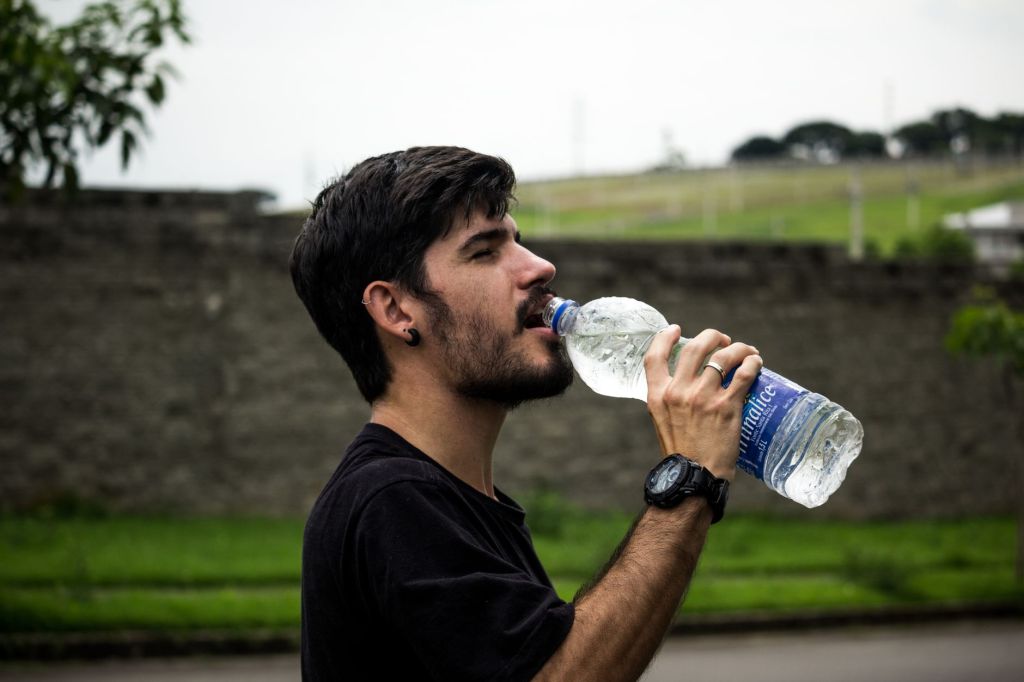
Discover why water matters to the human body, how hydration supports everyday body functions, signs of dehydration, healthy hydration habits, and how to cultivate better hydration as part of your wellness journey.
Introduction
What is the first thing you reach for when you feel thirsty?
For many people, the answer is water.
We drink it when we wake up.
We drink it with meals.
We drink it after physical activity.
We drink it when the weather is hot.
We drink it when thirst reminds us that our body needs fluid.
Yet water is so ordinary that we can easily forget how important it is.
We may spend considerable time thinking about food, exercise, supplements and other aspects of wellness while overlooking one of the most basic requirements of life.
Water matters.
The human body depends on water for many essential functions. Water is involved in regulating body temperature, transporting substances throughout the body, maintaining blood volume, supporting digestion, lubricating tissues and joints, and helping the kidneys remove waste.
This does not mean that drinking enormous amounts of water will automatically make someone healthier.
More is not always better.
Hydration is about balance.
At The Body Garden Mastery, we use the garden as a simple picture for understanding wellness.
A garden needs water.
Too little water can cause plants to wilt.
But flooding a garden is not the answer either.
The goal is appropriate nourishment and balance.
Your body works in a similar way.
Let’s explore why water matters and how you can cultivate better hydration habits.
Your Body Is a Water-Rich Garden
The human body contains a substantial amount of water, although the exact percentage varies according to factors such as age, sex, body composition and other individual characteristics.
Water is found inside cells and in the fluids surrounding them.
It is part of blood and other body fluids.
This means hydration is not simply about having a drink because your mouth feels dry.
Water is part of the environment in which your body’s cells and tissues function.
Think about a garden.
The plants need water because water supports their normal biological processes.
Your body similarly requires adequate fluid to maintain normal physiological functions.
This is why hydration belongs among the fundamental pillars of the Body Garden approach.
What Does Water Actually Do?
Water has many jobs.
It is not simply a substance that satisfies thirst.
Water Helps Regulate Body Temperature
Your body constantly works to maintain a relatively stable internal temperature.
When you become hot, your body can lose water through sweating.
As sweat evaporates from the skin, it helps cool the body.
This is particularly important during exercise, physical work and hot weather.
If you lose substantial amounts of fluid and do not replace them appropriately, dehydration can develop.
This is one reason hydration deserves greater attention when temperatures rise or physical activity increases.
Water Supports Blood Volume and Circulation
Blood contains a large amount of water.
Adequate fluid balance contributes to maintaining normal blood volume and circulation.
When significant fluid losses occur, blood volume can decrease.
The body then has to respond to maintain circulation and normal functioning.
This is another reason why fluid balance matters.
Hydration is not a separate activity disconnected from the rest of your body.
It is part of the environment in which many body systems operate.
Water Supports Digestion
Water is also important for normal digestive function.
It contributes to saliva and digestive fluids and helps maintain the appropriate consistency of material moving through the digestive tract.
Adequate fluid intake can be part of a healthy approach to preventing constipation, particularly when combined with sufficient dietary fiber and regular physical activity.
However, constipation has many possible causes.
If it is persistent, severe or accompanied by concerning symptoms, it should be appropriately evaluated rather than assuming that drinking more water is the complete solution.
Water Helps the Kidneys Remove Waste
Your kidneys continuously filter your blood and help regulate water and electrolyte balance.
They also help remove waste products from the body through urine.
Water is an important component of this process.
When you are adequately hydrated, your kidneys have the fluid they need to perform their normal functions.
However, it is important to understand a common misconception:
Drinking excessive amounts of water does not “detox” the body in some magical way.
Your body already has sophisticated systems for processing and eliminating waste, including the kidneys and liver.
The goal is to support normal body function, not to force the body by consuming extreme amounts of water.
Water Supports Physical Performance
Have you ever exercised or worked physically on a hot day and felt unusually tired?
Fluid loss may be one factor.
During physical activity, you can lose water through sweat.
The amount depends on factors such as exercise intensity, duration, temperature, humidity and individual physiology.
Even moderate dehydration can make physical activity feel more difficult.
For longer or intense exercise, especially in hot conditions, fluid and electrolyte losses may require more deliberate attention.
The key lesson is simple:
Movement increases the importance of paying attention to hydration.
Water and Your Brain
Your brain also depends on adequate fluid balance.
Significant dehydration can contribute to symptoms such as headache, fatigue, dizziness and difficulty concentrating.
If you are struggling to focus, feeling unusually tired or developing a headache, dehydration may be one possible contributor.
But don’t automatically assume that water is the answer to every headache or episode of fatigue.
There can be many causes.
Your body communicates through symptoms, and symptoms deserve appropriate attention.
This is why our philosophy is:
Symptoms are messages, not enemies.
Listen to them, but don’t automatically diagnose them yourself.
How Much Water Do You Need?
This is where many people become confused.
You may have heard statements such as:
“Everyone should drink exactly eight glasses a day.”
But there is no single amount of water that is appropriate for every person under every circumstance.
Fluid requirements vary.
They can be influenced by:
Body size.
Age.
Physical activity.
Climate.
Temperature.
Pregnancy or breastfeeding.
Diet.
Illness.
Medication.
Sweating.
Other individual circumstances.
Your total water intake also comes from food and other beverages, not only plain drinking water.
Therefore, instead of becoming obsessed with one universal number, develop awareness of your body’s fluid needs and the circumstances that affect them.
People with certain medical conditions may also have specific fluid restrictions or requirements.
If you have been advised by a healthcare professional to limit or carefully manage your fluid intake, follow that individualized guidance rather than applying general hydration advice.
Thirst Is One of Your Body’s Signals
Your body has a built-in system for regulating fluid balance.
Thirst is one of the signals that encourages you to drink.
For many healthy adults, thirst can be a useful guide alongside normal eating and drinking patterns.
However, thirst is not always an early or reliable signal in every situation.
Older adults, people exercising intensely, people working in hot environments and people who are ill may require greater attention to fluid intake.
The lesson is not to ignore thirst.
It is to become more aware.
What Are Common Signs of Dehydration?
Dehydration can range from mild to severe.
Possible signs can include:
Thirst.
Dry mouth.
Dark or concentrated urine.
Urinating less frequently than usual.
Fatigue.
Headache.
Dizziness.
Reduced physical performance.
Confusion can occur with more severe dehydration.
Severe dehydration can be a medical emergency.
If someone is extremely weak, confused, fainting, unable to keep fluids down or showing other serious symptoms, appropriate medical attention should be sought promptly.
Don’t rely on a glass of water as the solution to a potentially serious medical problem.
Look at Your Urine
Urine color can provide a rough indication of hydration status.
Dark yellow urine may occur when urine is more concentrated, which can happen when fluid intake is low.
Pale yellow urine is often associated with better hydration.
But urine color is not a perfect diagnostic tool.
Certain foods, supplements and medications can change urine color.
Some medical conditions can also affect it.
Use it as one clue rather than an absolute measurement.
Water Is Not the Only Source of Hydration
Many people think about hydration as “drinking water.”
But your total fluid intake can come from several sources.
Foods such as fruits and vegetables contain significant amounts of water.
Soups and other foods also contribute fluid.
Milk and other beverages contribute fluid as well.
This doesn’t mean that every beverage is equally desirable as a regular hydration choice.
Water is a simple option that contains no added sugar and is widely available.
What About Tea and Coffee?
Tea and coffee contain water and can contribute to total fluid intake.
Although caffeine has a mild diuretic effect, moderate caffeine consumption does not simply cancel out the fluid contained in caffeinated beverages.
However, adding large amounts of sugar or high-calorie ingredients can change the nutritional profile of a beverage.
The important question is not:
“Is this beverage absolutely good or bad?”
Instead ask:
“How does this beverage fit into my overall pattern?”
What About Sugary Drinks?
Soft drinks, sweetened juices, energy drinks and other sugary beverages can contribute substantial amounts of added sugar.
They may provide fluid, but they should not necessarily become the foundation of your hydration strategy.
If you regularly consume sugary drinks, one practical change could be replacing some of them with water.
Don’t make the change unnecessarily complicated.
Start with one substitution.
Then repeat it.
A small habit can become a bigger lifestyle change.
Water Before, During and After Exercise
Hydration around physical activity requires some awareness.
Before exercise, beginning well hydrated can help you perform comfortably.
During exercise, especially when activity is prolonged, intense or performed in heat, replacing fluids lost through sweating becomes increasingly important.
After exercise, replacing lost fluids helps restore hydration.
For short, moderate exercise sessions, plain water is often sufficient for many people.
For prolonged or intense activity with substantial sweating, electrolyte replacement may sometimes be appropriate.
Again, context matters.
There is no need to turn every walk into a complicated hydration protocol.
Don’t Force Excessive Water
One of the most important hydration lessons is this:
Too much water can also be dangerous.
Drinking excessive amounts of water in a short period can dilute sodium levels in the blood, potentially causing a serious condition called hyponatremia.
This is one reason why the goal should never be:
“The more water I drink, the healthier I will become.”
The goal is:
“I want to maintain appropriate hydration.”
Balance is the principle.
A garden needs water.
But a flooded garden is not a healthy garden.
The Healing Gap Approach to Hydration
Let’s apply the Healing Gap Framework™ to your hydration habits.
Current State
How much fluid do you normally drink?
Do you regularly go for long periods without drinking?
Do you rely heavily on sugary drinks?
Do you drink more when you are physically active or when the weather is hot?
Desired State
What would better hydration look like for you?
Perhaps you want to drink water more consistently.
Perhaps you want to reduce sugary beverages.
Perhaps you want to remember to carry water when traveling.
Identify the Gap
What separates your current habits from your desired habits?
Maybe you forget.
Maybe clean drinking water is not always accessible.
Maybe you simply don’t enjoy drinking plain water.
Maybe your daily routine is unpredictable.
Identifying the barrier is important.
Create an Action Step
Make the action simple.
Carry a reusable water bottle.
Drink water with meals.
Keep water accessible at your workspace.
Drink when you feel thirsty.
Include water-rich foods in your meals.
Choose water more often instead of sugary beverages.
Observe Your Progress
Don’t just make a promise.
Observe your behavior.
Did you actually drink more?
Did you reduce sugary drinks?
Do you feel more prepared during physical activity?
What worked?
What didn’t?
Adjust
If the strategy doesn’t work, change the strategy.
Maybe carrying a bottle helps.
Maybe setting a reminder helps.
Maybe drinking water with meals is easier.
Wellness is not about proving that one method works.
It is about discovering what works appropriately for you.
Grow
Once hydration becomes easier, allow the habit to become part of your lifestyle.
That’s cultivation.
Hydration and the Eight Pillars
Water also connects with the other pillars of the Body Garden.
Nutrition: Fruits and vegetables contribute water and nutrients.
Movement: Physical activity can increase fluid losses.
Sleep: Good overall lifestyle habits include appropriate hydration.
Stress: Emotional stress can change daily habits, including eating and drinking patterns.
Digestion: Adequate fluid intake can support normal digestive function.
Environment: Heat and humidity can increase fluid losses.
Relationships: Family and community habits can influence what and how we drink.
Purpose: Caring for your body can become part of a broader commitment to intentional living.
This is why we don’t treat hydration as an isolated health trick.
It is one part of the garden.
Simple Ways to Cultivate Better Hydration
You don’t need a complicated system.
Try these practical habits.
Start your day with awareness.
Notice how you feel and whether you are thirsty.
Keep water accessible.
Convenience influences behavior.
Drink with meals.
This can make hydration part of an existing routine.
Carry water when appropriate.
Especially when traveling, working outdoors or exercising.
Eat water-rich foods.
Fruits and vegetables can contribute to your overall fluid intake.
Reduce excessive sugary drinks.
Replace some with water.
Pay attention to hot weather.
You may lose more fluid through sweating.
Drink during physical activity.
Adjust according to the duration, intensity and conditions.
Listen to your body.
Thirst, urine concentration and changes in energy can provide useful clues.
Don’t force excessive amounts.
Hydration is about balance.
A Simple Body Garden Hydration Check
Today, ask yourself:
Do I drink water regularly?
Do I wait until I am extremely thirsty?
Do I drink enough when the weather is hot?
Do I replace fluids after significant sweating?
How often do sugary drinks replace water?
Do I have easy access to safe drinking water?
Have I been given medical advice about fluid intake?
These questions can help you identify your current hydration state.
And remember:
Awareness comes before adjustment.
The Body Garden Hydration Challenge
For the next seven days, make hydration an experiment in awareness.
Don’t try to drink an extreme amount.
Instead:
Carry water when appropriate.
Drink when thirsty.
Include water with meals.
Choose water more often.
Pay attention to your urine color.
Notice how you feel during hot weather and physical activity.
Observe your habits.
At the end of the week, ask:
What did I learn?
That’s the Body Garden approach.
You are not simply following a rule.
You are becoming a student of your own habits.
Final Thoughts
Water is simple.
It is inexpensive in many settings.
It does not require a complicated recipe.
And yet it plays an extraordinary role in the human body.
Water helps regulate temperature.
It supports circulation.
It contributes to digestion.
It supports normal kidney function.
It helps maintain the body’s fluid balance.
It supports physical activity.
It contributes to the normal functioning of cells and tissues.
But hydration is not a competition.
You don’t need to prove your wellness by drinking enormous quantities of water.
You don’t need to follow a universal number without considering your individual circumstances.
And you don’t need to believe that water can cure every health problem.
You simply need to understand its importance and cultivate appropriate hydration as part of a balanced lifestyle.
Think of your body as a garden.
Food provides nourishment.
Movement provides activity.
Sleep provides restoration.
Purpose provides direction.
Relationships provide connection.
And water helps sustain the environment in which your body performs its everyday functions.
Water your garden wisely.
Not too little.
Not excessively.
But appropriately.
Start where you are.
Observe.
Adjust.
Cultivate.
Grow.
Your body is a garden. Learn how to cultivate wellness.
Health Information Disclaimer: This article provides general educational information and is not a substitute for individualized medical advice, diagnosis or treatment. Fluid requirements vary between individuals. People with kidney disease, heart conditions, certain endocrine conditions, or other medical circumstances may have specific fluid requirements or restrictions and should follow advice from their qualified healthcare professional. Severe dehydration or symptoms such as confusion, fainting or inability to keep fluids down require prompt medical attention.

