Can bayberry help high blood pressure? Learn what research says about bayberry, possible cardiovascular effects, safety concerns, and how to approach hypertension through the Body Garden and Healing Gap Framework.
Introduction
Can bayberry help lower high blood pressure?
Bayberry is an interesting traditional plant, but answering this question requires more than simply saying “yes” or “no.”
One reason is that bayberry can refer to different plants, including species of the Myrica genus. Research on one species cannot automatically be applied to another.
Another reason is that much of the research surrounding bayberry and blood pressure is still preliminary.
Some laboratory and animal research has investigated possible blood-pressure-lowering mechanisms, while reliable human evidence specifically supporting bayberry as a treatment for hypertension remains very limited.
This is exactly where the Body Garden Mastery™ approach becomes valuable.
Instead of asking:
“Is bayberry the cure for high blood pressure?”
we ask:
“What do we know about bayberry, what don’t we know, how might it fit into a healthy lifestyle, and how can we protect the whole Body Garden?”
That approach keeps curiosity while respecting safety.
What Is Bayberry?
The name bayberry is commonly used for several plants, including species within the Myrica genus.
One important distinction is between Myrica cerifera, sometimes called southern bayberry or wax myrtle, and Myrica rubra, often called Chinese bayberry or yangmei.
These are not interchangeable plants.
Research investigating Myrica rubra has examined possible effects on blood pressure in laboratory and animal models. One study reported that an extract of Myrica rubra reduced blood pressure in spontaneously hypertensive rats and investigated possible mechanisms involving nitric oxide and endothelial function. However, the researchers themselves indicated that further studies were needed.
That is interesting science.
But a rat study is not the same thing as a clinical trial in people.
This distinction is essential.
Why High Blood Pressure Matters
High blood pressure, or hypertension, is often called a “silent” condition because a person may have significantly elevated blood pressure without obvious symptoms.
Over time, uncontrolled hypertension can increase the risk of cardiovascular and kidney complications.
That is why blood pressure should be measured rather than guessed.
Feeling fine does not necessarily mean your blood pressure is normal.
And feeling tired or having a headache does not automatically mean that your blood pressure is high.
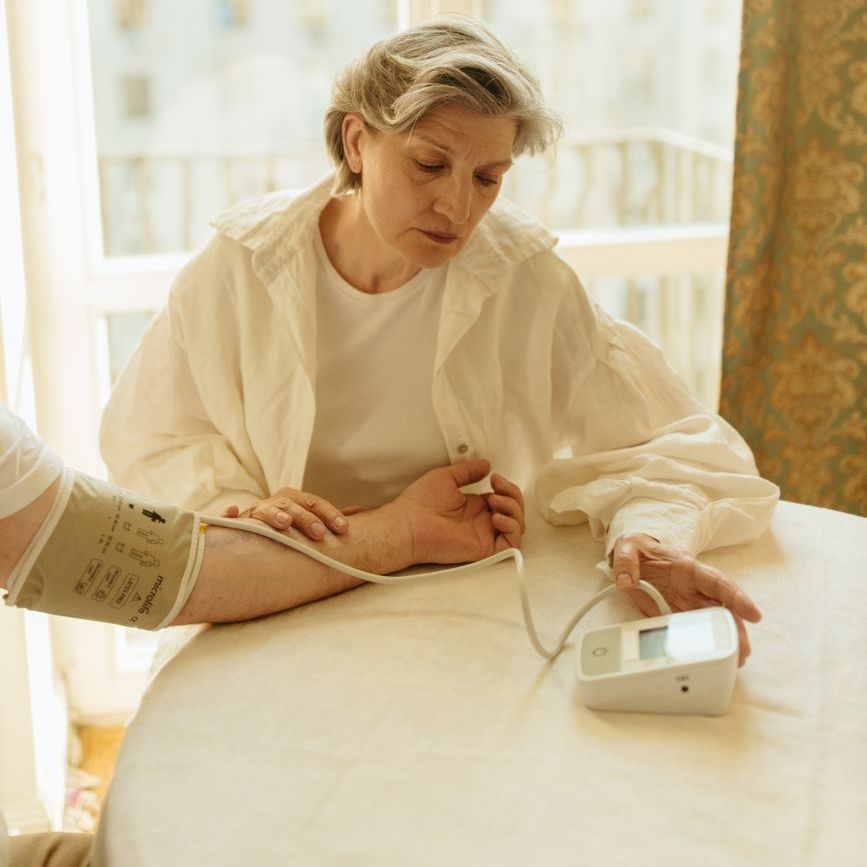
A blood-pressure monitor provides information that symptoms alone cannot provide.
The Body Garden and Blood Pressure
Imagine your body as a garden.
Blood vessels are part of the garden’s irrigation system.
The heart pumps blood through those vessels, delivering oxygen and nutrients throughout the body.
When blood pressure remains elevated over time, the cardiovascular system is placed under additional stress.
So the question is not simply:
“Which herb lowers blood pressure?”
The larger question is:
“What conditions am I creating inside my Body Garden?”
That includes:
- Food quality
- Sodium intake
- Potassium-rich foods
- Physical activity
- Body weight
- Sleep
- Stress
- Alcohol intake
- Tobacco exposure
- Medication adherence
- Regular blood-pressure monitoring
An herb, if used at all, is only one small part of this ecosystem.
What Does the Research Say About Bayberry?
This is where we need to be precise.
Research on Myrica rubra has found potential antihypertensive activity in an animal model. In that study, bayberry extract was associated with reduced blood pressure in spontaneously hypertensive rats, and laboratory investigations suggested possible involvement of nitric oxide and endothelial signaling pathways.
These findings are scientifically interesting because nitric oxide and endothelial function are important to vascular regulation.
However, they do not prove that bayberry lowers blood pressure in humans.
There is currently insufficient high-quality clinical evidence to recommend bayberry as an established treatment for hypertension.
This is an important distinction between:
Potential biological activity
and
proven clinical effectiveness.
They are not the same thing.
What About Research on Berries Generally?
You may also encounter claims that “berries lower blood pressure.”
There is some research examining berries and their polyphenols, including anthocyanins.
But evidence across different berries is mixed.
A 2022 review found that evidence for a direct blood-pressure-lowering effect from berries was insufficient, although some studies suggested possible beneficial effects in people with hypertension.
A 2026 systematic review and meta-analysis of nine randomized controlled trials involving 547 adults with elevated blood pressure or hypertension found no statistically significant reduction in resting systolic or diastolic blood pressure from berry supplementation overall; the certainty of evidence was rated low to very low.
This is another important Body Garden lesson:
Evidence about one berry cannot automatically be transferred to another berry or plant.
Bayberry should therefore be studied on its own merits.
Traditional Use Is Not the Same as Clinical Proof
Plants have been used traditionally for generations.
Traditional knowledge can provide valuable clues for scientific research.
But traditional use does not automatically establish:
- An effective dose
- Long-term safety
- Drug interactions
- Appropriate preparation
- Effectiveness for hypertension
- Effectiveness in a particular patient
Therefore, traditional use and clinical evidence should be respected as different categories of information.
A plant may have a long history of traditional use while still requiring modern clinical research to determine whether it is effective and safe for a specific disease.
Could Bayberry Affect Blood Pressure?
It is possible that certain plant compounds could influence biological pathways involved in vascular function.
The Myrica rubra animal research mentioned earlier explored pathways involving nitric oxide, endothelial nitric oxide synthase and other vascular mechanisms.
But mechanisms discovered in laboratory or animal studies are hypotheses—not guarantees of human benefit.
A compound may:
- Affect a pathway in a laboratory.
- Produce an effect in an animal.
- Be absorbed differently in humans.
- Have a different effective dose in humans.
- Produce side effects at the dose required.
- Ultimately fail to produce a clinically meaningful benefit.
That is why human clinical trials matter.
Bayberry Is Not a Replacement for Blood Pressure Medicine
This is one of the most important messages in this article.
If you have diagnosed hypertension and your healthcare professional has prescribed medication, do not stop the medication because you start using bayberry or another herbal preparation.
NCCIH notes that although certain foods and dietary supplements have been studied for possible blood-pressure effects, their effects are generally limited and no dietary supplement has been shown to have effects comparable to medications used to treat hypertension.
This is particularly important because untreated or poorly controlled hypertension can cause damage even when a person feels completely well.
The goal of natural wellness should be better health—not replacing effective care simply because something is natural.
The Safety Question
“Natural” does not automatically mean safe.
This is especially important when dealing with concentrated herbal preparations.
Available safety information for bayberry raises concerns about possible nausea, vomiting and liver injury, and reliable information about appropriate dosing is limited. There are also concerns about use during pregnancy and breastfeeding.
This means that bayberry should not be treated casually as though it were simply another everyday food.
The exact plant species, plant part, preparation, concentration and dose all matter.
Why Plant Identification Matters
Suppose someone says:
“I use bayberry for blood pressure.”
The next questions should be:
Which bayberry?
What species?
Which part of the plant?
How was it prepared?
How much was used?
How often?
What other medicines are being taken?
Without those details, the statement “bayberry lowers blood pressure” is too broad.
Different plants can share common names.
Different preparations can contain dramatically different concentrations of active compounds.
This is why responsible herbal practice begins with correct identification and appropriate preparation.
What About Bayberry Tea?
People sometimes assume that making a tea from a plant automatically makes it safe.
That is not necessarily true.
Water extraction can still extract biologically active compounds.
The concentration can vary depending on:
- Plant part
- Amount used
- Water temperature
- Steeping time
- Frequency
- Plant quality
- Storage
- Species identification
Therefore, homemade herbal preparations should not be assumed to have predictable therapeutic doses.
For someone with hypertension, this is especially relevant because an unexpected effect on blood pressure could interact with prescribed treatment.
What If Someone Takes Blood Pressure Medicine?
Extra caution is appropriate.
If a person is already taking antihypertensive medication, adding an herb that might influence blood pressure could potentially complicate blood-pressure management.
Even if an herb has not been proven to lower blood pressure, the absence of evidence is not evidence that interactions are impossible.
A person taking medicines should therefore tell their healthcare professional or pharmacist about herbal products they are using.
This is especially important if they experience:
- Dizziness
- Weakness
- Fainting
- Unusual fatigue
- Palpitations
- Changes in blood pressure
Do not simply assume these symptoms mean the herb is “working.”
The Bigger Hypertension Garden
If your goal is better blood-pressure control, there are many better-established areas of cultivation.
Nutrition
Build meals around vegetables, fruits, legumes, whole grains, nuts, seeds and appropriate protein sources.
Reduce excessive sodium and highly processed foods.
Hydration
Maintain appropriate hydration without assuming that excessive water intake is better.
Movement
Regular physical activity can be an important component of cardiovascular health.
Sleep
Poor sleep can interfere with overall cardiovascular wellbeing.
Stress Management
Chronic stress can make healthy routines more difficult and may contribute to cardiovascular risk.
Body Weight
If you have excess body weight, gradual sustainable changes may improve several health outcomes.
Avoid Tobacco
Smoking damages the cardiovascular system and increases health risks.
Alcohol
If you drink alcohol, moderation is important, and some people may be advised to avoid it altogether.
Medication Adherence
If medication has been prescribed, taking it consistently is an important part of managing hypertension.
Monitoring
Measure blood pressure rather than relying on how you feel.
This is what a complete Body Garden looks like.
The Healing Gap Framework™ Approach
Let’s turn the subject into practical action.
Current State
Begin by discovering your starting point.
Ask:
What is my recent blood pressure?
How often do I measure it?
What foods do I eat most frequently?
How much salty processed food do I consume?
How physically active am I?
How well do I sleep?
What medications and supplements do I take?
Am I currently using bayberry or another herbal preparation?
Desired State
Your desired state might include:
Better blood-pressure control.
Greater understanding of your cardiovascular health.
More nutritious meals.
Regular movement.
Better sleep.
Reduced cardiovascular risk.
Greater confidence in managing your health.
The Gap
The gap could be:
Irregular monitoring.
High sodium intake.
Low physical activity.
Poor sleep.
Excess body weight.
High stress.
Confusion about herbal remedies.
Or inconsistent medication use.
The Barriers
Perhaps you do not have a blood-pressure monitor.
Perhaps healthy meals feel difficult to prepare.
Perhaps family eating patterns make change challenging.
Perhaps you receive conflicting advice about herbs online.
Perhaps you dislike taking medication.
Identifying the barrier helps you address the actual problem.
Action Steps
Start with measurable actions.
Measure your blood pressure appropriately.
Record your readings.
Increase vegetables and other nutrient-dense foods.
Reduce excessive salt and highly processed foods.
Move regularly according to your abilities.
Improve your sleep routine.
Discuss herbal products with a qualified professional.
Take prescribed medication as directed.
Progress
Don’t judge progress by whether you feel different today.
Track your blood-pressure readings over time.
Also track:
Energy.
Sleep.
Physical activity.
Food habits.
Body weight where relevant.
Medication adherence.
Stress.
Freedom Day
Freedom Day in the Healing Gap Framework™ does not mean:
“I no longer need to think about my blood pressure.”
It means:
“I understand my cardiovascular health and have developed sustainable habits that help me manage it.”
That is a much more meaningful definition of freedom.
Don’t Confuse “Natural” With “Powerful”
There is a common assumption:
“If something is natural, it must be gentle.”
That is not necessarily true.
Many plants contain pharmacologically active compounds.
Some can affect:
- Blood pressure
- Blood sugar
- Heart rhythm
- Blood clotting
- Liver enzymes
- Kidney function
- Medication metabolism
This is why herbal medicine deserves respect rather than fear or blind enthusiasm.
A responsible wellness educator does not tell people:
“Natural means safe.”
The better message is:
“Natural products can be useful, but they should be understood and used responsibly.”
What Should You Do If You Want to Explore Bayberry?
Start with identification.
Find out exactly which species is being discussed.
Then identify:
The plant part.
The preparation.
The concentration.
The intended dose.
The duration.
Your current medicines.
Your medical conditions.
Then discuss the product with an appropriately qualified healthcare professional, pharmacist or practitioner knowledgeable about herbal medicine.
If you have hypertension, continue monitoring your blood pressure.
Do not replace prescribed medication with bayberry simply because you hope it will work.
And do not increase the dose because your blood pressure has not changed.
More is not necessarily better.
A Seven-Day Blood Pressure Body Garden Challenge
Instead of making bayberry the centre of your week, make blood-pressure cultivation the centre.
Day One: Measure your blood pressure correctly and record the result.
Day Two: Examine how much salt and highly processed food you consume.
Day Three: Add an extra serving of vegetables to your meals.
Day Four: Take a suitable walk or perform another appropriate form of movement.
Day Five: Review your sleep routine.
Day Six: Write down every medicine, supplement and herbal preparation you currently use.
Day Seven: Review your week and identify one habit you can continue.
The purpose is not perfection.
It is cultivation.
When High Blood Pressure Becomes an Emergency
Do not rely on bayberry—or any other home remedy—when urgent medical attention is needed.
If blood pressure is extremely high, particularly when accompanied by symptoms such as chest pain, severe shortness of breath, severe headache, confusion, weakness or numbness, vision changes or other concerning symptoms, seek urgent medical assessment.
A suspected hypertensive emergency is not a situation for experimenting with herbs.
Final Thoughts: Cultivate the Garden, Don’t Gamble With It
Bayberry is an interesting traditional plant, and research into some Myrica species has produced hypotheses about possible cardiovascular effects.
Research involving Myrica rubra has demonstrated blood-pressure-lowering effects in hypertensive rats and identified possible vascular mechanisms, but further research is needed to establish whether these findings translate into meaningful benefits for humans.
At present, there is not enough high-quality human evidence to regard bayberry as an established treatment for high blood pressure.
That does not mean we should dismiss traditional plants.
It means we should investigate them carefully.
The Body Garden philosophy encourages curiosity—but also responsibility.
Don’t ask only:
“Can this herb lower blood pressure?”
Ask:
“What evidence do we have?”
“Which species are we talking about?”
“Is it safe for me?”
“Could it interact with my medicines?”
“What happens when I combine this with the rest of my lifestyle?”
And most importantly:
“Am I cultivating the whole garden?”
Your blood pressure is influenced by much more than one plant.
Your nutrition, movement, sleep, stress, body weight, tobacco exposure, alcohol use, medications and regular monitoring all belong in the garden.
Bayberry may be an interesting subject for further research.
But your health should never depend on an unproven promise.
Cultivate your Body Garden with knowledge.
Use natural remedies with respect.
Measure what can be measured.
Work with appropriate healthcare when needed.
And use the Healing Gap Framework™ to turn knowledge into consistent action.
Health Disclaimer
This article is for educational purposes only and does not diagnose, treat, cure or prevent high blood pressure. Evidence specifically supporting bayberry as a treatment for hypertension in humans is limited. Research involving different Myrica species should not automatically be applied to every plant sold or described as “bayberry.” Bayberry preparations may have safety concerns, and the appropriate dose has not been established. If you have hypertension, take prescription medication, are pregnant or breastfeeding, or have liver, kidney or other medical conditions, consult an appropriately qualified healthcare professional before using bayberry or other concentrated herbal preparations. Never stop or reduce prescribed blood-pressure medication without medical guidance.
About the Author
Alfred Okoko is a wellness educator, author, and advocate of practical, whole-person approaches to cultivating better health. Through The Body Garden Mastery, he teaches readers to view the body as a garden that requires the right conditions, consistent care, knowledge, and purposeful action.
His work combines lifestyle education, nutrition, movement, rest, emotional wellbeing, traditional knowledge, and responsible use of nature-based approaches. His Healing Gap Framework helps people identify the gap between their current state and their desired state of wellbeing, understand the barriers, and develop practical steps for moving forward.
The Healing Mirror: Mastering the Art of Wholistic Living
A complete blueprint for health, wealth, purpose, love, business, and spiritual fulfilment.
Freedom From Arthritis Naturally
An educational guide exploring lifestyle, nutrition, movement, and natural approaches to supporting healthier joints.
Roll Your Way to Relief
An introduction to using hand and foot reflexology principles and wooden rollers as part of a broader wellness routine.
The Healing Gap Framework
Learn how to identify where you are, define where you want to be, understand the gap, and take practical steps toward your desired outcome.
The Body Garden Mastery
Cultivating wellness through knowledge, lifestyle, nature, and consistent daily care.
Continue Your Wellness Journey
Don’t just read about better health—cultivate it.
Explore more educational articles, books, guides, wellness resources, and practical tools from Alfred Okoko and The Body Garden Mastery.
Your body is your garden.
Your daily choices are the seeds.
Your lifestyle is the cultivation.
Your results are the harvest.
For inquiries: Call/WhatsApp: +254 726 530 868
Educational content only. Information shared on this blog is not a substitute for diagnosis, treatment, or individualized medical advice from a qualified healthcare professional.

