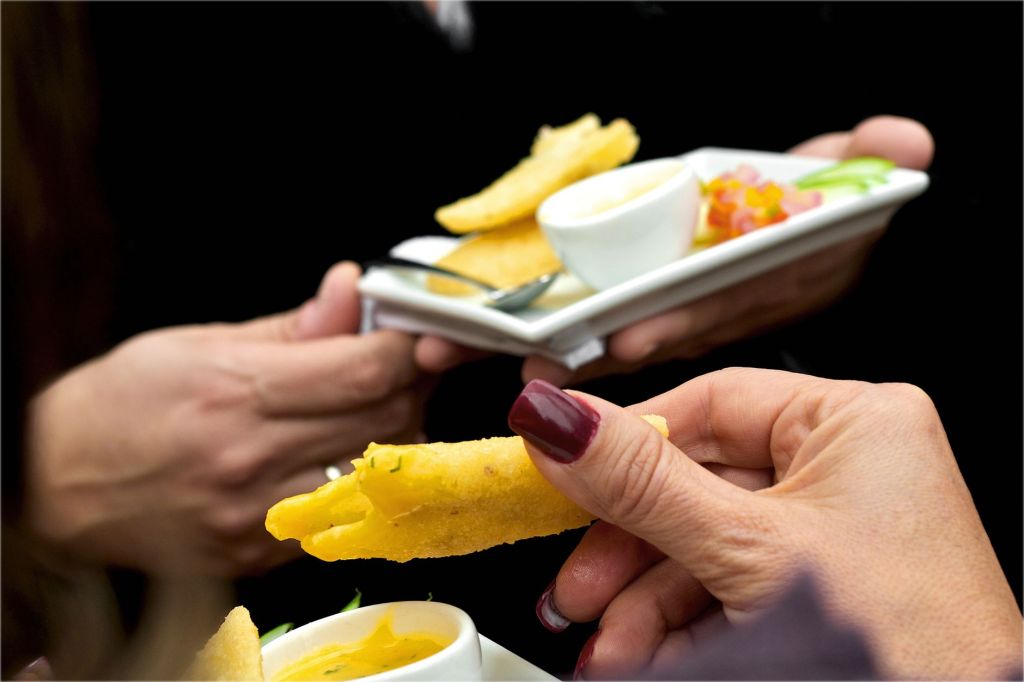
Discover how food can affect rheumatoid arthritis, including inflammation, weight, omega-3 fats, Mediterranean-style eating, trigger foods, and practical nutrition strategies.
Introduction
What if some of the foods on your plate could influence how your body experiences rheumatoid arthritis?
This is an important question—but it needs a careful answer.
Rheumatoid arthritis, or RA, is not simply a condition caused by eating the wrong foods. It is a chronic autoimmune disease in which the immune system mistakenly attacks tissues around the joints, causing inflammation, pain, swelling and stiffness.
Food cannot replace appropriate medical treatment for RA.
But food can still matter.
Your diet provides the raw materials your body uses every day. It influences body weight, cardiovascular health, nutrient intake, gut function and many other aspects of wellbeing. Some dietary patterns have also been studied for their potential effects on rheumatoid arthritis symptoms and disease activity.
This is where the Body Garden idea becomes useful.
You are not trying to find one magical food that will “cure” rheumatoid arthritis.
You are cultivating an environment that supports your overall health while working alongside appropriate medical care.
That is a very different—and more sustainable—approach.
Rheumatoid Arthritis Is More Than Joint Wear and Tear
It is important to distinguish rheumatoid arthritis from osteoarthritis.
Osteoarthritis primarily involves changes in joint structures such as cartilage and underlying bone.
Rheumatoid arthritis is an autoimmune inflammatory disease.
The immune system becomes abnormally activated and attacks the body’s own tissues, particularly the lining of joints.
This can produce:
- Joint pain
- Swelling
- Warmth
- Morning stiffness
- Fatigue
- Reduced physical function
RA can also affect parts of the body beyond the joints.
That is why managing rheumatoid arthritis is not simply about finding foods that “lubricate” the joints.
It is about supporting the whole person.
Food Is Part of the Body Garden
Think about a physical garden.
The plants depend on the quality of the soil, water, nutrients, sunlight and surrounding environment.
Your body also responds to its environment.
Food is one part of that environment.
If most of your diet consists of highly processed foods, sugary drinks, excessive refined carbohydrates and foods that make it difficult to maintain a healthy weight, there may be opportunities to improve your nutritional garden.
On the other hand, a diet containing vegetables, fruits, legumes, whole grains, nuts, seeds, appropriate protein sources and healthy fats provides a broad range of nutrients.
This does not mean that every “healthy” food will reduce RA symptoms.
It means that the overall pattern matters.
Can Food Actually Change Rheumatoid Arthritis?
Research suggests that dietary interventions can influence some RA outcomes, but the evidence is not strong enough to say that a particular diet works for everyone.
A systematic review of 70 human studies found some evidence that higher-dose omega-3 supplementation reduced disease activity and medication-treatment failure rates, while Mediterranean-style diets improved some measures of RA disease activity. However, responses to vegetarian, elimination and other specialized diets varied substantially between individuals.
Another systematic review examining dietary interventions with or without omega-3 supplementation similarly concluded that diet may play a role in RA management, while emphasizing the limited and varied evidence base.
This gives us a balanced message:
Food can be part of rheumatoid arthritis management, but food is not a substitute for disease-modifying treatment.
The Mediterranean-Style Pattern
One of the dietary patterns most often discussed in relation to inflammatory conditions is the Mediterranean-style diet.
It generally emphasizes:
- Vegetables
- Fruits
- Beans and other legumes
- Whole grains
- Nuts
- Seeds
- Fish
- Olive oil and other unsaturated fats
- Herbs and spices
- Fewer highly processed foods
The value may come not from one particular ingredient but from the combination.
Instead of asking:
“What is the best food for rheumatoid arthritis?”
ask:
“What kind of dietary environment am I creating every day?”
That question takes us from a miracle-food mentality to a cultivation mentality.
Vegetables: Building Nutritional Diversity
Vegetables provide fibre, vitamins, minerals and numerous plant compounds.
Different vegetables provide different nutrients.
Dark leafy greens, carrots, tomatoes, onions, peppers, cabbage, broccoli, pumpkin, okra and other locally available vegetables can all contribute to dietary variety.
There is no requirement to buy expensive imported “superfoods.”
A Kenyan household can cultivate a nutritious food garden using familiar foods.
The principle is simple:
Eat a variety of plant foods rather than depending on one special food.
Fruits: Nature’s Variety Pack
Fruit can also contribute fibre, vitamins, minerals and plant compounds.
Examples include:
- Mangoes
- Oranges
- Guavas
- Passion fruit
- Bananas
- Pawpaw
- Watermelon
- Avocado
- Berries where available
But fruit should not be confused with fruit juice.
Eating whole fruit generally provides fibre and requires more chewing than drinking a concentrated sweet beverage.
The goal is not to fear natural sugars.
The goal is to build a balanced dietary pattern.
Beans, Lentils and Other Legumes
Legumes can be valuable foods in a joint-supportive dietary pattern.
Beans, lentils, peas and other legumes provide protein, fibre and micronutrients.
They can also help create satisfying meals without relying heavily on processed meats.
For many Kenyan households, legumes are already familiar foods.
The Body Garden principle is therefore not necessarily about discovering exotic foods.
Sometimes it is about rediscovering the nutritional value of foods already around you.
What About Omega-3 Fats?
Omega-3 fatty acids deserve special attention because they have been studied in rheumatoid arthritis.
Foods containing omega-3 fats include:
- Fatty fish such as sardines
- Salmon where available
- Certain seeds
- Flaxseed
- Chia seeds
- Walnuts
Some studies have also examined concentrated omega-3 supplements.
The evidence suggests that omega-3 supplementation may provide modest benefits for some people with RA, particularly at higher doses, but this does not mean everyone with RA should automatically take a supplement.
Supplement dose, medication use, bleeding risk and individual medical circumstances matter.
Food-first strategies can therefore be a sensible starting point for many people, while supplements should be discussed with an appropriate healthcare professional when relevant.
What About Olive Oil?
Olive oil is a major component of Mediterranean-style eating.
It is rich in monounsaturated fat and contains various plant compounds.
Using a moderate amount of an unsaturated vegetable oil can be part of a balanced diet.
But remember the lesson from our Body Garden discussion about dietary oils:
Eating oil does not literally lubricate the joints.
Its potential value comes from its nutritional composition and its place within the overall dietary pattern.
The oil should not become the garden.
It is simply one ingredient within the garden.
Should You Stop Eating Meat?
This is where nutrition discussions can become unnecessarily extreme.
There is no universal rule that every person with rheumatoid arthritis must eliminate meat.
Different people have different nutritional needs, cultures, budgets and dietary preferences.
The more useful question is:
What does your overall diet look like?
If someone’s diet contains large quantities of processed meats, fried foods and highly processed meals, there may be opportunities to improve it.
That does not necessarily mean that every form of animal protein must disappear.
Fish, eggs, poultry and other protein sources can fit into different healthy dietary patterns.
What About Sugar?
Excessive consumption of added sugars can make it harder to maintain a healthy dietary pattern and body weight.
Sugary drinks, sweets, pastries and other highly processed foods can also displace more nutrient-dense foods.
This does not mean that eating one sweet causes an RA flare.
Avoid the all-or-nothing mentality.
The question is habitual dietary pattern.
An occasional treat is very different from building most meals around highly processed, sugary foods.
What About Ultra-Processed Foods?
Ultra-processed foods can be convenient, affordable and enjoyable.
But when they dominate the diet, they may contribute substantial calories while providing less dietary variety than a diet built around whole and minimally processed foods.
For someone with RA, improving the overall dietary pattern can be more practical than creating a long list of forbidden foods.
Instead of:
“Never eat this again.”
try:
“What nutritious food can I add more often?”
That shift can make dietary change more sustainable.
Food Triggers Are Individual
One of the most important lessons for people with rheumatoid arthritis is that food experiences can differ.
One person may report that a particular food seems to worsen symptoms.
Another person may eat the same food without noticing any problem.
That does not automatically mean either person is wrong.
However, personal experience should be distinguished from scientific proof.
If you repeatedly suspect a particular food, keep a food and symptom journal.
Record:
What you ate.
When you ate it.
Your pain level.
Morning stiffness.
Swelling.
Energy.
Sleep.
Stress.
Physical activity.
Medication changes.
This gives you a bigger picture.
Be Careful With Elimination Diets
Eliminating foods can sometimes be useful when medically appropriate, particularly when there is a confirmed allergy, intolerance or another specific reason.
But unnecessarily eliminating large numbers of foods can create nutritional problems.
You may end up removing dairy, grains, nightshade vegetables, meat, legumes, fruit and other foods simultaneously because of things you read online.
The result may be a diet that is restrictive, expensive and difficult to maintain.
A better principle is:
Eliminate with a reason, not with fear.
If you believe a particular food is triggering symptoms, consider working with a qualified healthcare professional or registered dietitian to investigate it systematically.
Nightshade Vegetables: A Common Controversy
Tomatoes, potatoes, peppers and eggplants belong to the nightshade family.
Some people with arthritis believe these foods increase inflammation.
However, there is not strong evidence that all people with rheumatoid arthritis need to avoid nightshades.
This is a good example of why individualized observation is more useful than blanket dietary rules.
If you believe a particular food affects you, document the pattern carefully rather than assuming that an entire food family is harmful.
Salt and Rheumatoid Arthritis
Sodium is another dietary factor worth considering.
Research reviewed in the rheumatoid arthritis literature has found that sodium restriction may benefit some RA outcomes.
This does not mean that salt itself causes rheumatoid arthritis.
Rather, moderating excessive sodium intake can be part of a broader healthy dietary pattern, particularly for people who also need to manage blood pressure or cardiovascular risk.
Reducing heavily salted processed foods can be a practical starting point.
Weight and Rheumatoid Arthritis
Body weight can be an important part of the Body Garden.
Carrying excess body weight can place additional mechanical demands on the musculoskeletal system and is associated with broader health risks.
EULAR lifestyle recommendations emphasize a healthy, balanced diet and working toward a healthy weight in people with rheumatic and musculoskeletal diseases.
But weight management should not become shame management.
The goal is not punishment.
The goal is to cultivate better health.
A person who needs to lose weight does not need to hate their body in order to care for it.
Food Is Not the Whole Rheumatoid Arthritis Story
This is perhaps the most important section.
Someone can eat an excellent diet and still experience rheumatoid arthritis.
Why?
Because RA is an autoimmune disease.
Diet is only one part of management.
Medication, physical activity, sleep, stress management, smoking cessation, monitoring disease activity and regular medical care can all matter.
EULAR’s recommendations emphasize lifestyle measures while also placing them within the context of appropriate medical treatment.
Therefore:
Do not stop prescribed RA medication because you have improved your diet.
If your symptoms improve, tell your healthcare professional.
Medication changes should be made with appropriate clinical guidance.
The Eight Body Garden Pillars and Rheumatoid Arthritis
Food becomes more powerful when viewed within the eight pillars.
Nutrition
Build meals around vegetables, fruits, legumes, whole grains, appropriate proteins and healthy fats.
Hydration
Drink adequate fluids and avoid relying heavily on sugary beverages.
Movement
Maintain appropriate physical activity and joint mobility according to your condition and healthcare guidance.
Sleep and Rest
Poor sleep can make pain and fatigue harder to manage.
Stress and Emotional Wellness
Living with chronic disease can be emotionally demanding. Build healthy stress-management practices.
Digestion and Microbiome
A varied, fibre-rich diet supports normal digestive function and provides substrates for the gut microbiome.
Environment and Detoxification
Focus on reducing harmful exposures and supporting normal body functions rather than pursuing extreme “detox” programs.
Purpose, Relationships and Spiritual Wellbeing
Healing is not only physical.
Meaning, connection and emotional support can influence how people cope with chronic illness.
This is what makes the Body Garden approach holistic.
The Healing Gap Framework™ for Food and Rheumatoid Arthritis
Now turn the idea into action.
Current State
Ask yourself:
What do I normally eat?
How many servings of vegetables do I consume?
How often do I eat legumes?
How often do I eat fish or other omega-3-rich foods?
How much processed food do I consume?
How much added sugar?
How much salt?
What happens to my symptoms after different meals?
Desired State
Your goal might be:
More balanced meals.
Better energy.
Improved nutritional quality.
Healthy weight management.
Greater confidence around food.
Better overall wellbeing.
The Gap
Perhaps the gap is:
Too little plant food.
Too many processed foods.
Too much added sugar.
Low dietary variety.
Irregular meals.
Excessive portions.
Or confusion caused by conflicting nutrition advice.
The Barriers
Maybe healthy foods seem expensive.
Maybe family meals are built around certain traditions.
Maybe pain makes cooking difficult.
Maybe you don’t know where to start.
Maybe you have tried extreme diets before and become discouraged.
Action Steps
Start with one change.
Add vegetables to lunch.
Replace a sugary drink with water.
Add beans or lentils to a meal.
Choose whole fruit instead of juice.
Include fish when practical.
Use healthy oils moderately.
Reduce heavily processed foods.
Progress
Track more than your weight.
Track:
Pain.
Stiffness.
Energy.
Food quality.
Sleep.
Movement.
Mood.
Digestive comfort.
Freedom Day
Freedom Day does not necessarily mean “my rheumatoid arthritis is gone.”
It can mean:
“I understand my body better, I have healthier habits, I work with my healthcare team, and I am no longer confused or powerless about the choices I can make.”
That is meaningful progress.
A Simple Rheumatoid Arthritis Body Garden Plate
Imagine a typical meal.
Half the plate could contain a variety of vegetables.
Add beans, lentils, fish, eggs, poultry or another appropriate protein source.
Add a sensible portion of whole grains or another minimally processed carbohydrate.
Include a modest amount of healthy fat from foods such as avocado, nuts, seeds or an appropriate vegetable oil.
Drink water.
The exact proportions can vary according to individual needs.
The goal is not perfection.
The goal is nutritional diversity and consistency.
A Seven-Day Food Cultivation Challenge
For seven days, don’t attempt a radical diet.
Instead, cultivate one habit at a time.
Day One: Record what you normally eat.
Day Two: Add one additional serving of vegetables.
Day Three: Include beans, lentils or another legume.
Day Four: Add a source of omega-3-rich food where practical.
Day Five: Replace one highly processed snack with whole fruit, nuts or another minimally processed option.
Day Six: Drink more water and reduce sugary drinks.
Day Seven: Review your food and symptom journal.
Ask yourself:
What did I learn?
Which changes were easy?
Which changes were difficult?
Did I notice any patterns?
What one habit will I continue?
This is how cultivation works.
One seed at a time.
Don’t Chase the “Perfect RA Diet”
There are countless claims online:
“Never eat tomatoes.”
“Stop all dairy.”
“Go completely gluten-free.”
“Eat only raw foods.”
“Take this herb.”
“Drink this juice.”
“Cut out carbohydrates.”
“Fast for several days.”
Be cautious.
Some people may experience personal benefits from particular dietary approaches, but individual experience does not establish that the same approach will work for everyone.
The systematic-review evidence shows considerable variation in response to different dietary interventions.
Your objective should not be to win a dietary argument.
Your objective should be to develop a sustainable pattern that supports your health.
Food and Medicine Can Work in the Same Garden
The Body Garden philosophy is not anti-medicine.
Imagine a garden with several tools.
One tool might be nutrition.
Another might be movement.
Another might be sleep.
Another might be stress management.
Another might be prescribed medication.
Another might be appropriate physical therapy.
Another might be social support.
Why limit yourself to one tool?
For people with rheumatoid arthritis, disease-modifying antirheumatic drugs are important treatments designed to control the underlying disease process. Current EULAR recommendations continue to address DMARD treatment as a central component of RA management.
Lifestyle practices can complement appropriate medical care.
They should not be used as an excuse to abandon it.
Final Thoughts: Feed the Garden, Don’t Fight the Body
Food can affect rheumatoid arthritis—but not in the simplistic way that social media sometimes suggests.
There is no universally proven “RA cure diet.”
There is no single vegetable that switches off autoimmune disease.
There is no one oil that lubricates inflamed joints.
There is no universal list of forbidden foods that applies to every person with RA.
What the evidence does support is a more sensible direction:
Build a healthy, balanced dietary pattern.
Eat a variety of plant foods.
Include appropriate sources of protein.
Choose healthy fats.
Consider omega-3-rich foods.
Moderate highly processed foods and excessive added sugars.
Pay attention to sodium.
Work toward a healthy weight when appropriate.
Observe your individual food and symptom patterns without assuming every association is proven.
And most importantly:
Use nutrition as part of a complete rheumatoid arthritis management strategy—not as a replacement for appropriate medical treatment.
The Body Garden is an ecosystem.
You don’t cultivate it by obsessing over one seed.
You cultivate it by consistently improving the soil, providing nourishment, protecting the plants and paying attention to what is happening.
Your body deserves the same approach.
The question is not:
“What food will cure my rheumatoid arthritis?”
A better question is:
“How can I cultivate a dietary environment that supports my whole body while I receive the care I need?”
That is the beginning of closing the Healing Gap.
Health Disclaimer
This article is for educational purposes only and does not diagnose, treat, cure or prevent rheumatoid arthritis. Rheumatoid arthritis is a chronic autoimmune disease that may cause progressive joint damage and requires appropriate medical evaluation and management. Dietary changes may support general health and may influence some symptoms or disease-related outcomes, but they should not be used as a substitute for prescribed rheumatoid arthritis treatment. If you have RA, take medication, or are considering restrictive diets or supplements, discuss major changes with an appropriately qualified healthcare professional or registered dietitian.
About the Author
Published by Alfred Okoko
Founder, The Body Garden Mastery | Creator of the Healing Gap Framework
Alfred Okoko is a wellness educator, author, and advocate of practical, whole-person approaches to cultivating better health. Through The Body Garden Mastery, he teaches readers to view the body as a garden that requires the right conditions, consistent care, knowledge, and purposeful action.
His work combines lifestyle education, nutrition, movement, rest, emotional wellbeing, traditional knowledge, and responsible use of nature-based approaches. His Healing Gap Framework helps people identify the gap between their current state and their desired state of wellbeing, understand the barriers, and develop practical steps for moving forward.
Explore More Works by Alfred Okoko
📚 The Healing Mirror: Mastering the Art of Wholistic Living
A complete blueprint for health, wealth, purpose, love, business, and spiritual fulfilment.
📖 Freedom From Arthritis Naturally
An educational guide exploring lifestyle, nutrition, movement, and natural approaches to supporting healthier joints.
📘 Roll Your Way to Relief
An introduction to using hand and foot reflexology principles and wooden rollers as part of a broader wellness routine.
📗 The Healing Gap Framework
Learn how to identify where you are, define where you want to be, understand the gap, and take practical steps toward your desired outcome.
🌿 The Body Garden Mastery
Cultivating wellness through knowledge, lifestyle, nature, and consistent daily care.
Continue Your Wellness Journey
Don’t just read about better health—cultivate it.
Explore more educational articles, books, guides, wellness resources, and practical tools from Alfred Okoko and The Body Garden Mastery.
Your body is your garden.
Your daily choices are the seeds.
Your lifestyle is the cultivation.
Your results are the harvest.
For Inquiries call/WhatsApp: +254 726 530 868
Educational content only. Information shared on this blog is not a substitute for diagnosis, treatment, or individualized medical advice from a qualified healthcare professional.

