Can turmeric help with fibroids? Explore the potential relationship between turmeric, curcumin, inflammation and uterine wellness, what research suggests, important limitations, and a whole-body approach to fibroid support.
Introduction
Uterine fibroids are one of the most common conditions affecting the female reproductive system.
For some women, fibroids cause no noticeable symptoms.
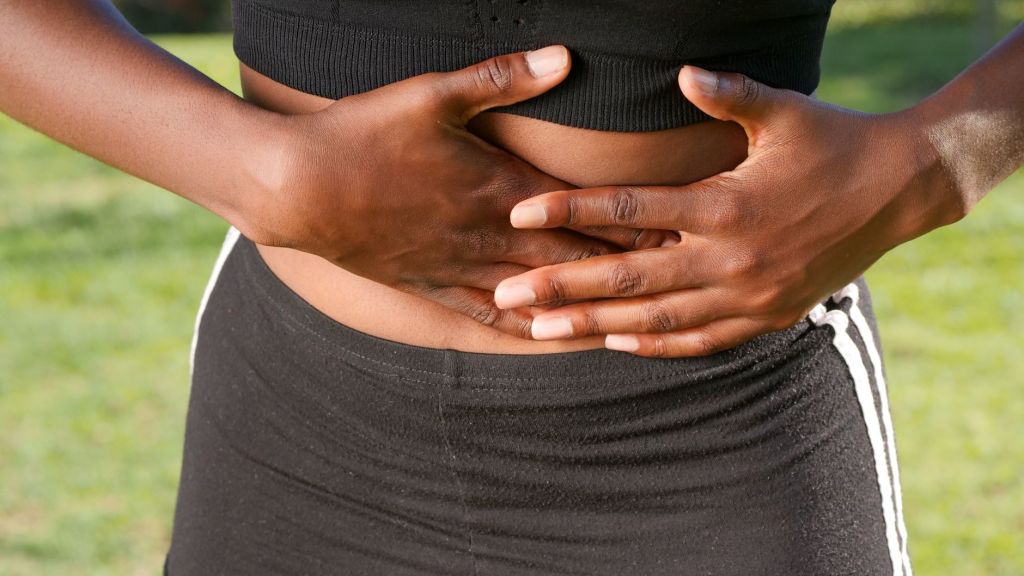
For others, they can be associated with heavy menstrual bleeding, pelvic pressure, painful periods, frequent urination, abdominal enlargement or reproductive difficulties.
Because fibroids can significantly affect quality of life, many women naturally ask:
“Is there anything I can do naturally to support my body?”
Turmeric is one of the herbs that frequently enters this conversation.
Known scientifically as Curcuma longa, turmeric has a long history of culinary and traditional use. Its major bioactive compound, curcumin, has also attracted considerable scientific interest because of its anti-inflammatory and antioxidant properties.
But does that mean turmeric can shrink or cure fibroids?
Not necessarily.
Laboratory research has produced interesting findings concerning curcumin and pathways involved in fibroid biology, but this should not be confused with proof that turmeric supplements can eliminate fibroids in women.
The responsible approach is to understand what is promising, what remains uncertain and how turmeric might fit into a broader wellness strategy.
What Are Uterine Fibroids?
Uterine fibroids are non-cancerous growths that develop from the muscular tissue of the uterus.
They can vary considerably in:
- Size
- Number
- Location
- Growth pattern
Some women have a single small fibroid.
Others may have multiple fibroids of different sizes.
Fibroids can occur within the uterine muscle, beneath the outer surface of the uterus or toward the inner uterine cavity.
Their effects can therefore differ greatly from one woman to another.
Some women never know they have them.
Others experience significant symptoms.
Common Symptoms of Fibroids
Possible symptoms include:
- Heavy or prolonged menstrual bleeding
- Painful periods
- Pelvic pressure
- Pelvic pain
- Lower abdominal fullness
- Frequent urination
- Constipation or pressure on the bowel
- Pain during sexual intercourse
- Fatigue related to heavy menstrual bleeding
- Reproductive difficulties in some women
The presence of symptoms depends partly on the fibroids’ size and location.
This is why proper evaluation is important.
Why Is Turmeric Interesting?
Turmeric has been used traditionally for generations as a culinary spice and botanical remedy.
Its major active constituent, curcumin, has been investigated extensively in laboratory and preclinical research.
Researchers have studied curcumin in relation to several biological processes, including:
- Oxidative stress
- Inflammation
- Cell signalling
- Cell proliferation
- Apoptosis
- Tissue remodelling
These processes are relevant to fibroid biology, which is why curcumin has attracted scientific interest.
But there is a major distinction:
What happens to fibroid-related cells in a laboratory is not automatically what happens to fibroids inside a human uterus.
Turmeric and Fibroids: What Does the Research Suggest?
Preclinical research has investigated whether curcumin may influence cellular pathways associated with the development and growth of uterine fibroids.
Some laboratory findings have suggested that curcumin may affect mechanisms involved in fibroid-cell proliferation and survival.
This is scientifically interesting.
However, evidence from laboratory and animal studies is not enough to establish turmeric or curcumin as an effective clinical treatment for fibroids.
High-quality human clinical evidence remains limited.
Therefore, it would be inaccurate to say:
“Turmeric dissolves fibroids.”
or
“Turmeric cures fibroids.”
A more responsible conclusion is:
“Curcumin is being investigated for biological effects relevant to fibroid development, but more human research is needed to determine whether turmeric or curcumin has meaningful clinical benefits for women with fibroids.”
Turmeric Is Not the Same as Curcumin
This distinction is often overlooked.
Turmeric is the whole spice derived from Curcuma longa.
Curcumin is one group of compounds found in turmeric.
A turmeric preparation may contain relatively small amounts of curcuminoids, while concentrated supplements can provide much larger quantities.
This means that research conducted using a concentrated curcumin preparation cannot automatically be interpreted as evidence that ordinary culinary turmeric will produce the same effect.
The preparation matters.
The dose matters.
Absorption matters.
And the human clinical evidence matters most.
What Does Inflammation Have to Do With Fibroids?
Inflammation is one of the biological areas researchers are investigating in relation to fibroid development and progression.
Curcumin is known for its potential effects on inflammatory signalling pathways.
This is one reason turmeric continues to attract interest.
But we should avoid making a leap from:
“Curcumin influences inflammatory pathways”
to:
“Turmeric will shrink your fibroids.”
Those are very different claims.
Good wellness education respects the gap between biological plausibility and clinical proof.
The Body Garden Perspective
The Body Garden Mastery approach begins with a simple principle:
Your body is a garden.
A garden does not depend on one ingredient.
It depends on the quality of its soil, water, nutrients, environment, rest and care.
The same principle can be applied to women’s reproductive wellness.
Instead of asking only:
“What herb kills fibroids?”
ask:
“What can I do to create the healthiest possible internal environment while properly monitoring my fibroids?”
That question shifts the focus from fighting the body toward supporting it.
The Eight Pillars of Fibroid Wellness
1. Nutrition
Nutrition cannot be presented as a guaranteed cure for fibroids, but a nutrient-dense eating pattern can support overall health.
Build meals around:
- Vegetables
- Fruits
- Beans and legumes
- Whole grains
- Nuts and seeds
- Appropriate protein
- Healthy fats
Minimize excessive consumption of highly processed foods and added sugars.
The objective is not to create a “magic fibroid diet.”
It is to cultivate a healthier Body Garden.
2. Hydration
Adequate water intake supports normal physiological functions.
Hydration is particularly important as part of general wellbeing for women experiencing heavy menstrual bleeding.
However, hydration should not be promoted as a treatment that removes fibroids.
3. Movement
Regular physical activity supports cardiovascular health, metabolic health, mood and healthy body composition.
Walking, strength training, stretching and other appropriate activities can become part of a comprehensive wellness routine.
The goal is consistency rather than perfection.
4. Sleep
Sleep is an essential recovery process.
Poor sleep can influence stress, energy, mood and overall health.
Create a consistent sleep routine and address persistent sleep problems.
A healthy Body Garden needs time to recover.
5. Stress and Emotional Wellness
Living with heavy bleeding, pelvic discomfort or fertility concerns can be emotionally exhausting.
Chronic stress can affect quality of life and make it harder to maintain healthy habits.
Consider practices such as:
- Deep breathing
- Meditation
- Gentle movement
- Time in nature
- Supportive relationships
- Journaling
- Counselling when needed
Emotional wellness does not make fibroids “imaginary.”
It supports the woman dealing with a real physical condition.
6. Detoxification and Environment
Be cautious with aggressive “detox” claims.
The body already has sophisticated systems for processing and eliminating substances through organs such as the liver and kidneys.
Instead of extreme detox programs, focus on:
- Nutritious food
- Adequate hydration
- Physical activity
- Avoiding tobacco
- Limiting excessive alcohol
- Reducing unnecessary exposure to harmful substances
The goal is to reduce unnecessary burdens rather than promise a quick cleanse.
7. Digestion and the Microbiome
A healthy digestive system supports general wellbeing.
A varied, fibre-rich diet can support a diverse gut microbiome and regular bowel function.
This can be particularly relevant for women who experience pelvic pressure or constipation associated with larger fibroids.
But digestive health should not be presented as a guaranteed method of shrinking uterine fibroids.
8. Purpose, Relationships and Spiritual Wellbeing
Women’s health includes more than physical symptoms.
Fibroids can affect intimacy, body image, relationships, fertility decisions and emotional wellbeing.
A whole-person approach creates space for these realities.
Healing is not simply the disappearance of a scan finding.
It also includes the quality of the life a woman is able to live.
How Might Turmeric Fit Into a Wellness Routine?
Turmeric can be incorporated into food as a culinary spice.
For many people, using turmeric as part of a balanced diet is a practical way to enjoy it without treating it as a miracle medicine.
Concentrated turmeric or curcumin supplements are different.
Supplement formulations can vary substantially in:
- Curcuminoid concentration
- Absorption-enhancing ingredients
- Quality
- Purity
- Dose
Therefore, women considering concentrated turmeric or curcumin supplements should discuss them with an appropriately qualified healthcare professional—especially when taking medication.
Turmeric and Medication Safety
Turmeric and concentrated curcumin products can potentially interact with medicines.
Particular caution is warranted for people taking medicines that affect blood clotting or those with conditions involving bleeding.
High-dose supplements may also cause gastrointestinal side effects in some people.
Anyone with gallbladder or biliary problems should seek professional advice before using concentrated curcumin products.
If surgery is planned, tell your healthcare team about herbal supplements.
Food use and concentrated supplementation are not necessarily equivalent.
Don’t Let Natural Remedies Replace Fibroid Monitoring
This is one of the most important messages in any natural-wellness discussion about fibroids.
If you have diagnosed fibroids, appropriate medical follow-up matters.
Ultrasound and other assessments can help healthcare professionals monitor changes in size, number and location when clinically appropriate.
Natural wellness strategies can complement responsible healthcare.
They should not be used as a reason to abandon monitoring.
When Should You Seek Medical Care?
Talk with a qualified healthcare professional if you experience:
- Very heavy menstrual bleeding
- Prolonged periods
- Severe pelvic pain
- Rapid abdominal enlargement
- Persistent pelvic pressure
- Significant fatigue or weakness
- Difficulty becoming pregnant
- New or worsening symptoms
- Bleeding after menopause
Heavy menstrual bleeding can contribute to iron-deficiency anaemia.
Severe symptoms should not simply be attributed to “detox” or hormonal imbalance without appropriate evaluation.
The Healing Gap Framework for Fibroid Wellness
The Healing Gap Framework asks:
Where am I now?
Where do I want to be?
What is creating the gap?
What barriers are in the way?
What action steps can I take?
How will I measure progress?
What does my Freedom Day look like?
For a woman living with fibroids, her baseline might include:
- Fibroid size and location
- Number of fibroids
- Menstrual flow
- Pain level
- Pelvic pressure
- Energy
- Sleep
- Stress
- Nutrition
- Physical activity
- Emotional wellbeing
This creates something much more useful than simply asking whether an herb “works.”
It creates a measurable wellness journey.
Your Fibroids Are Not Your Identity
A diagnosis can become psychologically heavy.
A woman may begin thinking:
“I am a woman with fibroids.”
But a diagnosis is information—not identity.
You are more than the condition identified on an ultrasound.
You can learn.
You can monitor.
You can make healthier choices.
You can work with qualified healthcare professionals.
You can cultivate your Body Garden.
And you can make informed decisions about complementary approaches.
Turmeric: A Supportive Food, Not a Miracle Cure
Turmeric deserves a place in the conversation about natural wellness because its chemistry and potential biological effects are scientifically interesting.
But responsible herbal education requires us to distinguish between:
Traditional use
Laboratory research
Animal research
Human clinical evidence
and
Established medical treatment.
These are not interchangeable.
For fibroids, the evidence surrounding curcumin remains an area of interest rather than proof of a turmeric cure.
Final Thoughts
Turmeric and its major constituent, curcumin, are scientifically interesting because of their potential effects on inflammation, oxidative stress and cellular signalling.
Some laboratory research has investigated mechanisms that may be relevant to uterine fibroid biology.
But there is not currently enough high-quality human evidence to conclude that turmeric or curcumin can shrink, eliminate or cure uterine fibroids.
That does not mean turmeric has no place in a healthy lifestyle.
It means we should put it in the right place.
Use turmeric as a food and, when appropriate, discuss concentrated supplements with a qualified professional.
At the same time, build the foundations of your Body Garden:
Nourish. Hydrate. Move. Rest. Manage stress. Support digestion. Reduce unnecessary environmental burdens. Cultivate purpose and healthy relationships. Monitor your health.
And remember:
The goal is not to fight your body.
The goal is to understand your body, support your body and work intelligently with the healthcare resources available to you.
Important Safety Note
This article is for educational purposes only and is not intended to diagnose, treat, cure or prevent uterine fibroids. Although laboratory research on curcumin and fibroid-related biological pathways is promising, this does not establish turmeric as a clinical treatment for fibroids. Do not stop prescribed treatment or delay medical evaluation because of information about herbs. If you experience heavy bleeding, severe pain, rapid abdominal enlargement or other concerning symptoms, seek appropriate medical care. Discuss concentrated turmeric or curcumin supplements with a qualified healthcare professional, particularly if you take medicines or have a medical condition.
About the Author
Alfred Okoko is the Founder of the Healing Gap Framework™ and a wellness educator focused on helping people understand whole-body wellbeing through knowledge, lifestyle and responsible engagement with nature.
Through Body Garden Mastery, he teaches people to move from symptom chasing toward cultivating healthier foundations—while respecting the important role of appropriate professional healthcare.
Published by Alfred Okoko — Life Transformation & Wellness Empowerment.

