Explore bayberry and high blood pressure, including traditional uses, possible cardiovascular effects, medication interactions, safety concerns, evidence limitations, lifestyle factors, and when to seek medical care.
Introduction
You may have heard bayberry mentioned in traditional wellness practices.
Perhaps you encountered bayberry as an herbal preparation, a tea, a tincture, a supplement, or a botanical ingredient.
Then you checked your blood pressure and discovered that it was elevated.
A natural question may arise:
“Can bayberry help with high blood pressure?”
The short answer is:
There is not enough reliable clinical evidence to conclude that bayberry safely or effectively treats hypertension.
Bayberry has a history of traditional use, but traditional use is not the same as proven treatment.
There can also be important concerns involving dosage, preparation, product quality, medication interactions, kidney function, liver function, pregnancy, and the possibility of delaying effective blood-pressure care.
Understanding those connections matters.
Because when the body produces a health concern, the goal should not simply be to silence the number.
The goal is to understand the message.
In the Healing Gap Framework, we can think of blood pressure as a measurable signal that deserves investigation rather than an enemy that must simply be suppressed.
And in the Body Garden philosophy, the cardiovascular system is part of the garden.
When something changes, we ask:
What changed in the environment?
What is influencing the system?
What needs attention?
What Is Bayberry?
Bayberry is a common name used for several different plants, including species in the Myrica or Morella genera.
Depending on the plant and region, bayberry may refer to:
- Bayberry root bark
- Bayberry leaves
- Bayberry fruit
- Bayberry wax
- Herbal teas
- Tinctures
- Capsules
- Traditional botanical preparations
This creates an important issue.
A product labeled “bayberry” may not always contain the same species, plant part, concentration, or preparation.
The safety and effects of one bayberry product may therefore differ substantially from another.
Bayberry has been used traditionally for various purposes, including digestive, respiratory, astringent, and topical applications.
However, traditional use does not establish that bayberry lowers blood pressure or prevents cardiovascular disease.
Does Bayberry Lower High Blood Pressure?
At present, there is not sufficient high-quality human evidence to recommend bayberry as a treatment for hypertension.
Some laboratory or traditional-use information may suggest that certain plant compounds could influence inflammation, blood vessels, digestion, or other biological pathways.
But laboratory findings do not automatically translate into safe and effective treatment in humans.
A plant extract may behave differently depending on:
- The species used
- The plant part
- The extraction method
- The dose
- The preparation
- The person taking it
- Other medications being used
- Existing kidney, liver, heart, or digestive conditions
This distinction is important because someone might notice:
Bayberry use → blood pressure changes → conclude that bayberry caused the improvement or worsening.
But several factors may have changed at the same time.
Blood pressure naturally varies.
Diet, stress, sleep, activity, illness, caffeine, alcohol, pain, medication adherence, and measurement technique can all influence readings.
Traditional Use Is Not the Same as Clinical Proof
Many plants have long histories of traditional use.
That history can provide valuable clues.
But it does not answer every modern clinical question.
To determine whether bayberry safely treats high blood pressure, researchers would need well-designed human studies examining:
- Accurate blood-pressure measurements
- Appropriate dosing
- Standardized preparations
- Long-term safety
- Cardiovascular outcomes
- Kidney outcomes
- Liver outcomes
- Interactions with common medications
- Effects in older adults and people with chronic disease
Without this evidence, it is not possible to confidently determine whether bayberry provides meaningful benefit for hypertension.
A traditional remedy may be culturally important and biologically interesting while still being unsuitable as a replacement for proven treatment.
Could Bayberry Affect Blood Pressure Indirectly?
It is possible that a botanical product could influence blood pressure indirectly.
For example, a person may change several habits at the same time:
- Drinking less alcohol
- Eating fewer processed foods
- Reducing sodium intake
- Walking more often
- Sleeping better
- Taking prescribed medication more consistently
- Using a bayberry preparation
If blood pressure improves, it may be difficult to know which change produced the benefit.
There is also the opposite possibility.
A person may begin using bayberry and then:
- Stop prescribed medication
- Delay medical evaluation
- Consume a concentrated or contaminated product
- Develop vomiting or diarrhea
- Become dehydrated
- Experience an interaction with another medicine
In that situation, the botanical product could contribute to harm even if the person intended to improve health.
Could Bayberry Interact With Blood-Pressure Medication?
Because bayberry products are not standardized consistently, their interaction potential may be difficult to predict.
If bayberry has effects on blood vessels, fluid balance, digestion, inflammation, or drug metabolism, it could theoretically alter the effects of other medicines.
Potential concerns may involve people taking:
- ACE inhibitors
- Angiotensin II receptor blockers
- Calcium-channel blockers
- Beta blockers
- Diuretics
- Nitrates
- Blood thinners
- Diabetes medications
- Medicines processed by the liver
- Medicines affected by kidney function
The exact risk depends on the plant species, preparation, dose, product quality, and individual health status.
Do not stop or reduce prescribed blood-pressure medication because you want to try bayberry.
Instead, tell your doctor or pharmacist:
- The exact product name
- The plant species, if listed
- Which part of the plant is used
- The dose
- How often you take it
- When you started using it
- What prescription medicines you take
- What other supplements or herbs you use
- Whether you have kidney, liver, heart, or digestive disease
- Whether you have noticed dizziness, weakness, palpitations, swelling, or changes in urination
What About Bayberry Root Bark?
Some traditional bayberry preparations use the root bark.
Root bark products may contain concentrated plant compounds, and the safety profile may differ from that of fruit, leaves, or diluted preparations.
A concentrated preparation can create greater uncertainty because:
- The dose may be difficult to measure
- The active compounds may not be standardized
- Contaminants may be present
- The product may contain additional herbs
- Long-term safety may not be established
- The label may not accurately reflect the contents
“Natural” does not automatically mean gentle.
The body responds to chemical compounds whether they come from a prescription bottle, a plant, a food, or a supplement.
What About Bayberry Tea?
A tea may be less concentrated than an extract, but that does not guarantee safety or effectiveness.
The strength of a tea can vary according to:
- The plant species
- The amount used
- The steeping time
- The water temperature
- The plant part
- The number of cups consumed
- The quality of the raw material
A tea may also create a false sense of security if someone assumes that a milder preparation can replace medical treatment.
If you choose to use bayberry tea, discuss it with a qualified healthcare professional, especially if you have hypertension or take medication.
Possible Side Effects and Safety Concerns
The safety of bayberry depends on the specific product and the person using it.
Possible concerns may include:
- Nausea
- Stomach irritation
- Vomiting
- Diarrhea
- Constipation
- Dry mouth
- Dizziness
- Headache
- Allergic reactions
- Changes in blood pressure
- Dehydration
- Medication interactions
Seek medical care promptly if you develop:
- Fainting
- Severe dizziness
- Chest pain
- Shortness of breath
- Facial or throat swelling
- Severe vomiting or diarrhea
- Confusion
- A rapid or irregular heartbeat
- Very low blood pressure symptoms
- Signs of liver or kidney problems
People who are pregnant or breastfeeding, children, older adults, and people with kidney, liver, heart, or digestive conditions should be especially cautious.
Could Bayberry Be Harmful to the Kidneys or Liver?
There is not enough reliable evidence to establish the long-term safety of all bayberry preparations for the kidneys or liver.
This matters because hypertension itself can affect kidney health.
Kidney disease can also contribute to high blood pressure.
If a person with reduced kidney function uses an unstandardized herbal product, the body may process its compounds differently.
The same concern applies to liver disease or medicines that are metabolized by the liver.
If you have kidney or liver disease, do not begin bayberry without professional guidance.
Bayberry and Blood Pressure Measurement
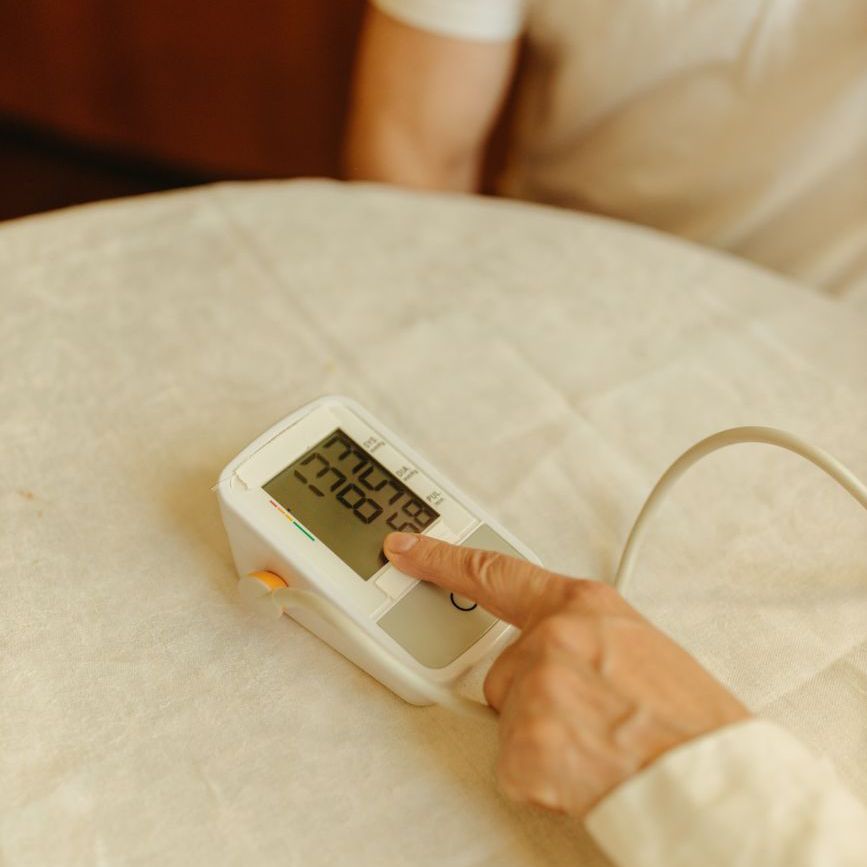
If you are evaluating whether any change is affecting your blood pressure, measure it consistently.
Before checking:
- Avoid caffeine, nicotine, and exercise for about 30 minutes when possible
- Empty your bladder
- Sit quietly for several minutes
- Keep your back supported
- Place both feet on the floor
- Rest your arm at heart level
- Use an appropriately sized cuff
- Avoid talking during the measurement
- Take more than one reading when appropriate
- Record the date, time, reading, and relevant symptoms
One reading does not tell the entire story.
However, repeated elevated readings should not be ignored.
What If Your Blood Pressure Is Very High?
Hypertension can be dangerous even when you feel completely well.
A person should not wait for symptoms such as headache, dizziness, or weakness before taking blood pressure seriously.
A blood-pressure reading above 180/120 mm Hg is considered a hypertensive crisis range and requires urgent medical attention, particularly when accompanied by concerning symptoms.
If very high blood pressure occurs with symptoms such as:
- Chest pain
- Severe shortness of breath
- Weakness or numbness
- Difficulty speaking
- Confusion
- Vision changes
- Severe headache
- Severe neurological symptoms
seek emergency medical care.
Do not assume that bayberry or another supplement will correct the situation.
Could Bayberry and High Blood Pressure Have a Common Context?
Sometimes a person becomes interested in bayberry because several health concerns are occurring at the same time.
For example, a person may have:
- Poor sleep
- Stress
- Smoking exposure
- Excess alcohol intake
- High sodium intake
- Low physical activity
- Weight gain
- Diabetes
- Kidney disease
- Family history of hypertension
- Medication side effects
- A desire to reduce prescription medicines
Some of these factors can influence blood pressure.
Others can influence the person’s interest in natural remedies.
The botanical product may therefore be part of a larger health story rather than the central cause of improvement or worsening.
This is why looking at the whole garden is often more useful than looking at one herb in isolation.
High Blood Pressure Can Have Many Causes
Before focusing on bayberry, consider common contributors such as:
Genetics
Family history can increase the likelihood of hypertension.
Age
Blood-pressure risk often changes as people grow older.
Sodium intake
Some people are particularly sensitive to dietary sodium.
Low physical activity
Insufficient movement can contribute to cardiovascular risk.
Excess body weight
Overweight and obesity may increase the likelihood of hypertension.
Poor sleep
Sleep deprivation and sleep apnea can affect cardiovascular health.
Stress
Long-term stress can make healthy routines more difficult.
Alcohol
Excessive alcohol intake can raise blood pressure.
Tobacco
Smoking damages blood vessels and increases cardiovascular risk.
Kidney disease
The kidneys play an important role in fluid and blood-pressure regulation.
Hormonal and metabolic conditions
Certain endocrine and metabolic disorders can contribute to elevated blood pressure.
Medications and substances
Some prescription medicines, over-the-counter products, stimulants, and supplements can affect blood pressure.
This is why identifying the broader pattern matters.
When Should High Blood Pressure Be Investigated?
You should discuss repeated elevated readings with a healthcare professional.
Evaluation may include:
- Repeated blood-pressure measurements
- Medication review
- Kidney-function testing
- Blood tests
- Urine testing
- Diabetes screening
- Cholesterol assessment
- Sleep evaluation
- Review of family history
- Assessment of cardiovascular risk
Do not wait for symptoms.
Hypertension often causes no noticeable symptoms while gradually affecting the heart, brain, kidneys, eyes, and blood vessels.
The Body Garden Perspective
The Body Garden philosophy asks a different question.
Instead of asking:
“What can I take for bayberry and high blood pressure?”
ask:
“What conditions are affecting my garden?”
Your body is an interconnected living system.
Blood pressure is influenced by the cardiovascular system, kidneys, hormones, metabolism, sleep, stress, movement, nutrition, medications, and genetics.
A single herb rarely tells the entire story.
The Blood Pressure Garden
If high blood pressure is part of your current health picture, cultivate several areas.
Nourishment
Build a balanced dietary pattern that emphasizes minimally processed foods, vegetables, fruits, legumes, whole grains, appropriate protein, and reasonable amounts of sodium.
Movement
Regular physical activity can support cardiovascular health and help with blood-pressure management.
Weight Management
If you have overweight or obesity, gradual and sustainable weight management may improve cardiovascular risk factors.
Sleep
Poor sleep can interfere with overall cardiovascular health.
Sleep apnea is also associated with hypertension and deserves appropriate evaluation when suspected.
Stress Management
Long-term stress can make healthy routines more difficult and may contribute to unfavorable cardiovascular patterns.
Tobacco
If you smoke, stopping is one of the most valuable steps for cardiovascular health.
Alcohol
Excessive alcohol consumption can contribute to elevated blood pressure and other health problems.
Medication Adherence
If you have been prescribed antihypertensive medication, take it as directed and discuss side effects rather than stopping treatment independently.
The Herbal Supplement Garden
If you are considering bayberry or another botanical product, cultivate caution.
Identify the Plant
Find out the scientific name and the plant part used.
Check the Preparation
A tea, powder, tincture, capsule, and concentrated extract may have very different effects.
Review the Label
Look for the amount per serving, additional ingredients, warnings, and manufacturer information.
Consider Product Quality
Supplements may vary in purity, strength, and contamination risk.
Discuss Interactions
Ask a pharmacist or healthcare professional to review the product alongside your medications.
Track Your Response
Record blood pressure readings and any new symptoms.
Avoid Replacement Thinking
A supplement should not automatically replace proven hypertension treatment.
The Healing Gap Framework for Bayberry and Blood Pressure
You can apply the Healing Gap Framework to this situation.
Step One: Establish Your Current State
Record your:
- Blood pressure readings
- Medication list
- Bayberry product and dose
- Other supplements
- Diet
- Sodium intake
- Sleep quality
- Stress level
- Activity level
- Alcohol use
- Smoking exposure
- Kidney and liver health
- Symptoms
This is your Baseline Day.
Step Two: Define Your Desired State
What would improvement look like?
Perhaps:
Stable blood pressure.
Better sleep.
More energy.
A healthier cardiovascular profile.
Fewer medication side effects.
Greater confidence in your health decisions.
Step Three: Identify the Gap
What is preventing you from reaching that state?
Step Four: Identify the Barriers
Could the barriers include:
- Uncontrolled hypertension?
- Medication side effects?
- Poor sleep?
- High sodium intake?
- Stress?
- Low physical activity?
- Kidney disease?
- Alcohol use?
- Smoking?
- An unverified supplement claim?
- Confusion about bayberry safety?
- Another underlying condition?
Step Five: Take Appropriate Action
This might involve medical evaluation, medication review, consistent blood-pressure monitoring, lifestyle changes, cautious supplement assessment, or other individualized measures.
Step Six: Track Progress
Monitor your blood pressure, symptoms, medication use, and lifestyle patterns.
Step Seven: Move Toward Freedom Day
Freedom Day is not simply the day your blood-pressure number changes.
It is the point at which you have made meaningful progress toward the healthy life you want to live.
What You Should Not Do
When dealing with bayberry and high blood pressure, avoid several common mistakes.
Do not assume bayberry is proven to treat hypertension.
Traditional use and laboratory findings are not the same as reliable clinical evidence.
Do not stop blood-pressure medication because you want to use bayberry.
Discuss possible changes with your healthcare professional.
Do not assume natural products are automatically safe.
Plants can have side effects, interactions, contamination risks, and dose-related effects.
Do not use an unverified product to delay medical evaluation.
High blood pressure can damage the heart, brain, kidneys, and blood vessels without producing symptoms.
Do not rely on one blood-pressure reading.
Look for patterns using consistent measurement.
Do not ignore very high readings.
Particularly when they occur with chest pain, breathing difficulty, neurological symptoms, confusion, or vision changes.
Do not treat a number without asking what is causing it.
That is the central principle.
The Natural Wellness Perspective
Natural wellness is not about rejecting conventional medicine.
It is about becoming more knowledgeable about the conditions that influence your health.
Your garden may include:
- Nutritious food
- Appropriate hydration
- Movement
- Rest
- Stress management
- Clean air
- Healthy relationships
- Purpose
- Medical care
- Appropriate medication
- Traditional knowledge
- Evidence-informed complementary practices
The goal is integration.
Nature and knowledge.
Lifestyle and appropriate healthcare.
Traditional wisdom and modern evidence.
That is a more responsible path than searching for a single herb for every health concern.
The Bottom Line on Bayberry and High Blood Pressure
Bayberry is a traditional botanical with several different possible preparations, but there is not enough reliable human evidence to conclude that it safely or effectively treats hypertension.
The name “bayberry” may refer to different plants, plant parts, and products, making safety and effectiveness difficult to predict.
Potential concerns include:
- Uncertain dosing
- Product contamination
- Medication interactions
- Digestive side effects
- Dizziness
- Changes in blood pressure
- Kidney or liver concerns
- Delayed treatment of hypertension
At the same time, high blood pressure often produces no symptoms, which means the only reliable way to know whether your blood pressure is elevated is to measure it.
So if you are considering bayberry, don’t simply ask:
“What can I take?”
Ask:
“What exactly is this product?”
“What evidence supports its use?”
“Could it interact with my medication?”
“What is my actual blood pressure?”
“Do I have kidney, liver, heart, or other health concerns?”
“What proven steps can support my cardiovascular health?”
And most importantly:
“What does my whole Body Garden need?”
Your blood pressure is a message, not an enemy.
Listen to it.
Investigate it.
And cultivate the conditions that allow your body to function at its best.
Bayberry may be part of a traditional wellness conversation. Your blood pressure requires an evidence-informed health plan. Your job is to listen to the whole garden.
Published by Alfred Okoko
Founder & Lead Wellness Educator | Healing Gap Framework™ | Wordplant Living System
Through Body Garden Mastery, Alfred Okoko explores traditional wellness knowledge, nutrition, lifestyle transformation, and practical approaches to whole-person wellbeing.
The guiding principle is simple:
Respect the symptoms. Investigate the causes. Cultivate the whole garden.
Educational disclaimer: This article is for general educational purposes and is not a diagnosis or substitute for individualized medical care. Do not stop, reduce, or change prescribed blood-pressure medication without professional guidance. Bayberry products may vary in species, preparation, strength, purity, and safety. Discuss bayberry or any herbal supplement with a qualified healthcare professional, especially if you are pregnant, breastfeeding, taking medication, or living with kidney, liver, heart, or digestive disease. A blood-pressure reading above 180/120 mm Hg, particularly with chest pain, severe shortness of breath, weakness, confusion, vision changes, or other concerning symptoms, requires urgent medical attention.
#BayberryAndHighBloodPressure #Bayberry #HighBloodPressure #Hypertension #HerbalSafety #BloodPressureManagement #HeartHealth #NaturalWellness #BodyGardenMastery #HealingGapFramework #LifestyleMedicine #WordplantLivingSystem

