THE BODY GARDEN MASTERY|Wednesday Wellness Edition
Cultivate Wellness. Transform Your Life.
SPECIAL FEATURE: THE WELLNESS GAP – What Is Standing Between You and a Healthier, Happier You?
Dear Fellow Gardener,
Have you ever wondered why some people seem to enjoy better health, energy and vitality while others struggle with recurring health problems, constant fatigue, unexplained discomfort and declining physical performance?
The difference is not always about age, money or access to expensive supplements.
Sometimes, it is about how well we understand and care for the body we live in.
Think about your body as a garden.
A garden needs nourishing soil, clean water, sunlight, proper attention and regular maintenance. Neglect it, and weeds begin to grow. Care for it consistently, and it has a better opportunity to flourish.
Your body works in a similar way.
This Wednesday, let’s explore an important question:
Are you deliberately cultivating your wellness, or are you simply reacting to symptoms when they appear?
1. THE WELLNESS GAP: MEN AND WOMEN HAVE DIFFERENT NEEDS, BUT ONE COMMON GOAL
Men and women experience different health challenges throughout life.
For men, common wellness concerns may include:
Declining energy and physical vitality.
Erectile difficulties and sexual wellness concerns.
Prostate health and urinary difficulties.
Weight gain and increasing waist circumference.
High blood pressure and cardiovascular risks.
Poor sleep, stress and emotional exhaustion.
For women, common concerns may include:
Hormonal changes and menstrual discomfort.
Fibroids and reproductive health concerns.
Menopause-related changes.
Unwanted weight gain and metabolic challenges.
Bone and joint health.
Stress, fatigue and disrupted sleep.
Although these challenges differ, they share something important.
Both men and women need a lifestyle that supports their overall health.
Good nutrition, adequate hydration, physical activity, restorative sleep, emotional balance and appropriate healthcare are essential components of long-term wellness.
The question is not simply, “What supplement should I take?”
The better question is:
What is missing from my overall wellness system?
2. INTRODUCING THE HEALING GAP FRAMEWORK
At The Body Garden Mastery, we believe that meaningful wellness begins with understanding where you are and where you want to be.
This is the foundation of our Healing Gap Framework.
It helps you examine the distance between your current health situation and your desired state of wellness.
Our framework follows seven steps:
STEP 1: YOUR CURRENT STATE
Take an honest look at your health.
How is your energy? How well do you sleep? Are you physically active? Are you experiencing recurring symptoms?
Establish your starting point.
STEP 2: YOUR DESIRED STATE
Define what better health means to you.
Perhaps you want improved mobility, better sleep, healthy weight management, improved cardiovascular health or greater physical vitality.
Give your wellness vision direction.
STEP 3: IDENTIFY THE GAP
What separates your present condition from your desired outcome?
Is it poor nutrition, inactivity, unmanaged stress, inadequate sleep, an untreated medical condition or a combination of factors?
STEP 4: IDENTIFY THE BARRIERS
Recognise the habits, circumstances and beliefs that may be preventing progress.
Monitor your habits, symptoms, relevant health measurements and improvements.
STEP 7: CELEBRATE YOUR FREEDOM DAY
Recognise meaningful milestones as you move towards your wellness goals.
Remember:
You are the driver of your wellness journey. Knowledge provides direction, consistent action creates progress, and appropriate healthcare provides essential support.
3. THE EIGHT PILLARS OF BODY GARDEN MASTERY
Your body is not an isolated collection of organs. Its systems work together.
That is why we encourage you to cultivate wellness through eight interconnected pillars.
Nutrition: Nourish your body with balanced, diverse and minimally processed foods.
Hydration: Maintain adequate water intake to support normal body functions.
Movement: Keep your body active through walking, stretching, strength exercises and appropriate physical activity.
Sleep: Give your body sufficient time for rest and recovery.
Stress and Emotional Wellness: Develop healthy ways of managing everyday pressures.
Detoxification and Environment: Support your body’s natural elimination systems and reduce avoidable environmental exposures. Remember that your liver and kidneys already perform essential detoxification functions.
Digestion and Gut Health: Support digestive health through appropriate nutrition, fibre and healthy eating habits.
Purpose, Relationships and Spiritual Wellbeing: Cultivate meaningful connections, personal fulfilment and a positive outlook on life.
These eight pillars form the foundation of a more comprehensive approach to wellness.
You cannot neglect the garden and expect the flowers to flourish.
4. THE ROLE OF INDIGENOUS HERBS IN EVERYDAY WELLNESS
Nature has provided communities across generations with an extraordinary diversity of medicinal plants.
In Kenya, our indigenous herbal knowledge is an important part of our cultural heritage.
However, using herbs wisely requires knowledge.
Not every herb is appropriate for everyone. Some herbs can interact with prescription medicines, affect blood pressure or blood sugar, or be unsuitable during pregnancy and certain medical conditions.
At Body Garden Mastery, we advocate informed, responsible herbal wellness.
Our herbal products are part of our broader commitment to making natural wellness knowledge and products accessible.
We encourage you to:
Understand what you are taking and why.
Use herbal products responsibly.
Follow appropriate product instructions.
Discuss herbal use with your healthcare professional, particularly if you take medication.
Never abandon prescribed treatment in favour of herbal remedies.
Nature offers valuable resources. Knowledge helps us use them wisely.
DISCOVER OUR HERBAL WELLNESS PRODUCTS
Looking for natural herbal wellness products?
We invite you to explore our available herbal selections.
For product information, availability, guidance and orders, contact us directly on WhatsApp:
WHATSAPP: +254 726 530 868
Send us the message:
HERBAL WELLNESS
Our team will assist you with available products and ordering information.
5. KNOWLEDGE IS AN INVESTMENT IN YOUR HEALTH
One of the biggest mistakes people make is waiting until a health problem becomes overwhelming before investing in health education.
You do not need to know everything about the human body.
But you need reliable information to make better everyday decisions.
That is why we are developing practical digital information guides covering important health and wellness subjects.
Our guides are designed to help you understand common health concerns, explore lifestyle approaches and make more informed decisions.
Explore our educational resources covering:
Arthritis and joint wellness.
High blood pressure and cardiovascular health.
Digestive wellness and peptic ulcers.
Men’s sexual wellness.
Women’s reproductive health and fibroids.
Nutrition and healthy weight management.
Herbal wellness and traditional medicinal plants.
Holistic living and the eight pillars of wellness.
These resources complement, rather than replace, professional medical assessment and treatment.
Your health deserves more than guesswork. Invest in knowledge.
To enquire about our digital wellness guides, contact us through WhatsApp:
+254 726 530 868
Send: WELLNESS GUIDES
6. YOUR WEDNESDAY WELLNESS CHALLENGE
Let’s make this Wednesday a turning point.
Here is a simple seven-day Body Garden challenge.
For the next seven days:
DAY 1: Examine your current eating habits.
DAY 2: Improve your daily hydration.
DAY 3: Introduce 20–30 minutes of appropriate physical activity.
DAY 4: Establish a healthier sleeping routine.
DAY 5: Identify and address one major source of everyday stress.
DAY 6: Review your health habits and any recurring symptoms.
DAY 7: Write down three wellness improvements you want to pursue over the next 30 days.
If you have an existing medical condition, adapt activities to your needs and seek professional guidance where appropriate.
Small, consistent actions can contribute to meaningful long-term improvements.
7. A FINAL THOUGHT: STOP NEGLECTING YOUR BODY GARDEN
Dear Fellow Gardener,
Your body is the only place you have to live throughout your lifetime.
Do not wait for a health crisis before you begin paying attention to it.
Do not measure wellness by the number of supplements on your shelf.
Do not confuse expensive products with effective health decisions.
Instead, cultivate your body through knowledge, balanced nutrition, appropriate movement, restorative sleep, emotional wellbeing and responsible healthcare.
Remember our guiding philosophy:
Symptoms are messages, not enemies.
Listen to your body. Understand what it needs. Identify your wellness gap. Take appropriate action.
Your journey towards better health begins with the decisions you make today.
YOUR BODY. YOUR GARDEN. YOUR RESPONSIBILITY.
CONNECT WITH BODY GARDEN MASTERY
At The Body Garden Mastery, our mission is to empower individuals and families with practical knowledge, natural wellness education and the Healing Gap Framework™.
We believe everyone deserves access to information that helps them make better health and lifestyle decisions.
Explore our offerings:
🌿 Herbal Wellness Products 📚 Digital Health & Wellness Guides 🌱 Healing Gap Framework 💚 Holistic Living Education 🌿 Indigenous Herbal Knowledge
For herbal product enquiries and orders:
📱 WhatsApp: +254 726 530 868
For digital guides and educational resources, contact us through the same number.
THE BODY GARDEN MASTERY
Cultivate Wellness. Close Your Healing Gap. Transform Your Life.
DISCLAIMER: This newsletter is intended for educational purposes and does not replace professional medical advice, diagnosis or treatment. Herbal products are not substitutes for prescribed medicines. Seek qualified healthcare advice for persistent symptoms, new health concerns or before combining herbal products with medication.
The Imported Illusion: Are We Overlooking the Treasures Growing in Our Own Backyards?
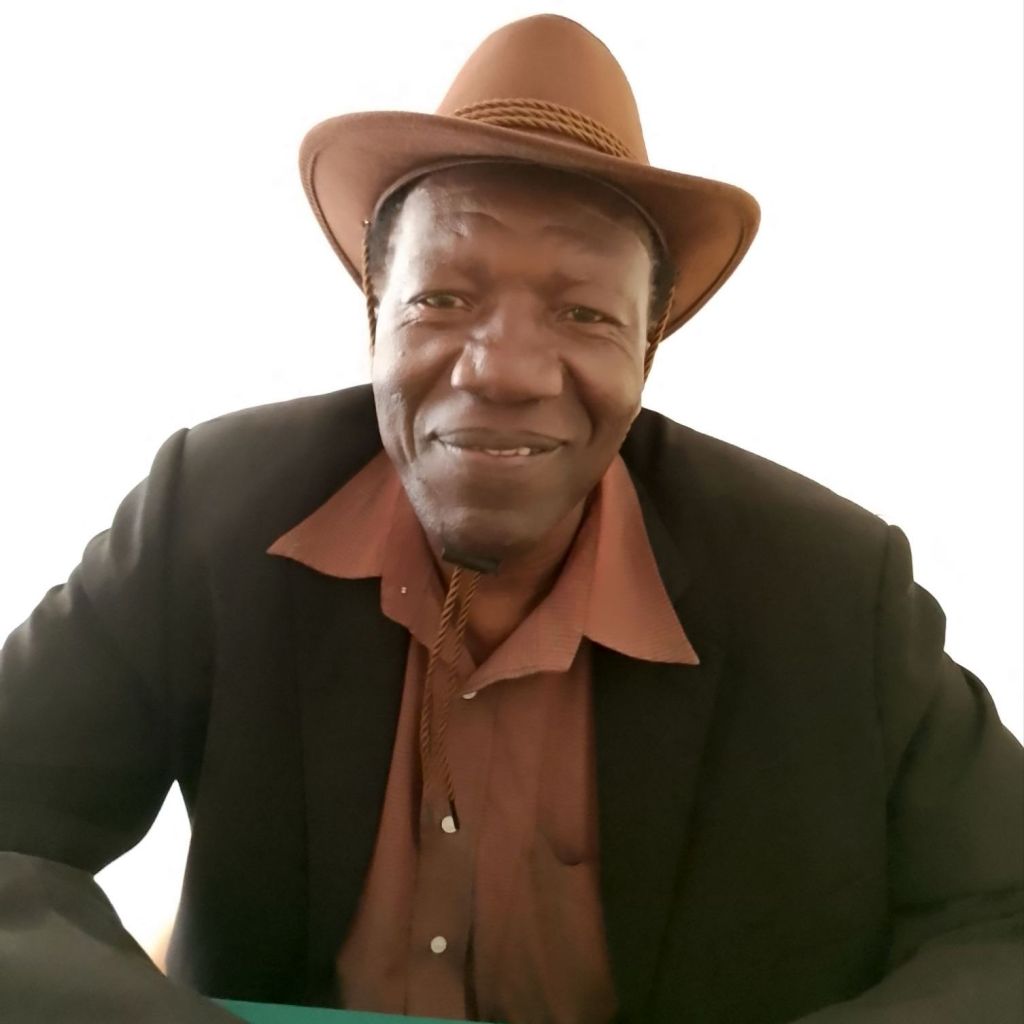
By Alfred Okoko | Founder, Home Remedy Hub
Have you ever wondered why something growing freely in your garden can be treated as worthless while a product packaged in an expensive bottle is considered a symbol of good health?
Consider Mama Njeri.
In her kitchen, she keeps two shelves.
On the upper shelf, behind a small padlock, sit the imported bottles: a multivitamin shipped from the United States, collagen powder from Britain, a detox blend from Australia, and fish oil from Norway.
She may not know precisely what each product does, but she knows they are expensive. And somewhere along the way, she has come to believe that expensive means better.
On the lower shelf, unguarded and often overlooked, sits a bunch of fresh managu from the local market. Outside, behind her kitchen, grow indigenous plants that her grandmother once knew how to identify and use.
The irony?
Mama Njeri may be spending thousands of shillings searching for wellness while overlooking some of the nutritious foods and valuable traditional knowledge available within her own community.
Her story reflects a question worth asking:
Have we become so impressed by the packaging of wellness that we have forgotten the value of what nature provides around us?
1. When the Label Becomes More Important Than the Land
For generations, African communities developed deep relationships with their natural environments.
People learned which local vegetables provided nourishment, which plants were traditionally used for particular purposes, how seasonal foods supported household diets, and how to preserve knowledge for future generations.
This knowledge was not perfect, and not every traditional practice was safe or effective. Nevertheless, it represented generations of observation, experience, and adaptation to local conditions.
Today, many people face a different reality.
They see a beautifully packaged supplement advertised online and assume it must be superior to a traditional food.
They may choose an imported breakfast cereal over locally available whole grains without comparing the ingredients, nutritional value, or price.
They may purchase expensive wellness products while neglecting affordable vegetables, beans, fruits, and other foods that could help them build a balanced diet.
The problem is not that imported products are inherently bad. Some are useful, well researched, and appropriate for particular needs.
The problem arises when we confuse the appearance of quality with evidence of quality.
A product’s origin does not automatically determine its value. Neither does its price, packaging, or popularity.
What matters is what it contains, what evidence supports its use, whether it is safe, and whether it meets our actual needs.
At Home Remedy Hub, we believe that informed choices are more valuable than impressive labels.
2. What the Animals Understand About the Land
Watch animals in their natural environments.
Their lives are closely connected to the land, water, vegetation, and seasonal conditions around them.
They do not evaluate plants according to foreign labels or attractive packaging. Their behaviour reflects instinct, learned patterns, and environmental conditions.
However, we should not romanticise animal behaviour. Animals can consume harmful plants, and their feeding choices do not prove that a plant is medicinal or safe for humans.
The important lesson is not that animals possess a perfect natural pharmacy.
It is that living systems depend on their environments, and understanding those environments matters.
Human beings have the additional advantage of reason, research, and accumulated knowledge.
We can study the foods that grow in our regions. We can investigate the traditional uses of indigenous plants. We can distinguish between a promising traditional practice and one supported by reliable scientific evidence.
We can also preserve valuable knowledge while rejecting unsafe practices.
Why, then, should we ignore the opportunities around us?
In Kenya, our local food environments offer a wide variety of possibilities: managu, terere, kunde leaves, traditional grains, legumes, fruits, and many other locally available foods.
Their nutritional value varies, but many can contribute to a balanced diet.
Our indigenous medicinal plants also deserve careful study, responsible cultivation, accurate identification, and scientific investigation.
The goal is not to reject everything foreign.
It is to stop assuming that what comes from elsewhere must be superior to what grows at home.
3. The Hidden Cost of Forgetting Our Indigenous Wisdom
When we overlook our indigenous resources, we may lose more than money.
We risk losing knowledge.
An older person may recognise a medicinal plant that a younger generation cannot name.
A family may possess valuable knowledge about traditional food preparation but fail to pass it on.
A community may abandon indigenous crops without understanding their nutritional, cultural, or agricultural significance.
A medicinal plant may disappear from local landscapes before its traditional uses have been properly documented.
At the same time, misinformation can spread when traditional knowledge is repeated without verification.
This is why we need a balanced approach.
We should preserve indigenous knowledge, investigate its claims, document its limitations, and make it accessible to future generations.
We should also protect the communities that hold this knowledge and recognise their contributions.
Traditional knowledge should not become an excuse for unsupported health claims. Nor should the absence of a pharmaceutical label cause us to dismiss every traditional practice.
The future of natural wellness lies in combining cultural wisdom, scientific evidence, responsible practice, and informed choice.
That is one of the principles behind Home Remedy Hub.
4. Your Body Is Not a Shopping Basket. It Is a Living Garden.
Imagine your body as a garden.
A garden does not thrive simply because its owner purchases expensive gardening products.
It needs suitable soil, water, sunlight, appropriate nutrients, regular care, and protection from damaging conditions.
Your body is also influenced by many interacting factors.
The food you eat matters. So does hydration, movement, sleep, stress management, digestion, your environment, and the quality of your social connections.
No single food, herb, supplement, or remedy can replace the foundation created by these daily habits.
You can spend money on supplements while sleeping poorly.
You can buy expensive wellness products while eating a diet that lacks variety.
You can search endlessly for a miracle remedy while ignoring symptoms that deserve medical attention.
The missing ingredient may not be another purchase.
It may be a better understanding of how your everyday choices work together.
This is where the Healing Gap Framework™ becomes useful.
Rather than chasing one remedy after another, it helps you examine your current situation, define your desired outcome, identify obstacles, and develop practical steps towards meaningful progress.
It shifts the question from:
Which product should I buy next?
To:
What needs to change in my life, and what is the safest, most practical way to begin?
That is a more empowering starting point.
5. Introducing the Healing Gap Framework
Close the Gap Between Where You Are and Where You Want to Be
The Healing Gap Framework is a practical approach to understanding your wellness challenges and organising the steps you can take towards your goals.
It begins with a simple truth:
You cannot develop a useful plan until you understand where you are starting from.
The framework guides you through seven stages:
1. Current State
Take an honest look at your present situation.
What symptoms or challenges are you experiencing? What are your daily habits? What have you tried? What concerns require professional assessment?
2. Desired State
Define the improvement you want to work towards.
Perhaps you want to move more comfortably, improve your sleep, develop healthier eating habits, or become more consistent with your blood pressure management plan.
Make your goal specific and realistic.
3. Identify the Gap
Compare your current situation with your desired outcome.
What is preventing progress? Is it a lack of information, an inconsistent routine, limited access to appropriate care, or difficulty maintaining healthy habits?
4. Discover the Barriers
Look beyond the obvious.
Your barriers may include financial limitations, time constraints, emotional stress, misinformation, environmental challenges, or difficulty following a care plan.
5. Create Action Steps
Choose practical actions that address your actual barriers.
These might include improving meal planning, increasing suitable physical activity, establishing a regular sleep routine, seeking professional advice, or learning how to use traditional wellness products safely.
6. Monitor Progress
Observe what changes over time.
Keep useful records, review your habits, discuss persistent symptoms with qualified healthcare professionals, and adjust your plan when necessary.
7. Work Towards Your Freedom Day
Freedom Day represents a meaningful milestone: reaching a clearly defined goal or making measurable progress towards it.
For someone, this might mean establishing a sustainable walking routine. For another, it could mean sleeping more consistently or gaining confidence in managing a long-term health condition.
It does not mean that every disease can be cured or that prescribed treatment should be discontinued.
The purpose is to replace confusion with clarity and passive hope with informed, consistent action.
The Eight Pillars of Body Garden Mastery
The Healing Gap Framework can also help you review eight interconnected areas of daily living:
Nutrition: Building a balanced diet around a variety of accessible foods.
Hydration: Maintaining appropriate fluid intake.
Movement: Finding safe, suitable ways to remain physically active.
Sleep: Creating routines that support adequate rest.
Stress and Emotional Wellness: Developing healthier ways to manage everyday pressures.
Detoxification and Environment: Supporting normal bodily functions and reducing avoidable environmental exposures without relying on unproven detox claims.
Digestion and the Microbiome: Supporting digestive health through appropriate nutrition and medical care when needed.
Purpose, Relationships and Spiritual Wellbeing: Nurturing connection, meaning, and emotional support.
These pillars are not a replacement for medical treatment. They are a way to examine the broader lifestyle factors that can influence wellbeing.
Your body is a garden. Your daily choices are part of its cultivation.
The Healing Gap Framework helps you become a more informed and active participant in that process.
6. From Our Soil to Your Home: Discover Our Indigenous Herbal Products
At Home Remedy Hub, we believe indigenous plants deserve a place in responsible conversations about wellness.
For generations, Kenyan communities have developed knowledge of local medicinal plants. Some traditional uses are being investigated scientifically, while others still require stronger evidence.
Our interest is in helping people approach this heritage with respect, knowledge, and appropriate safety precautions.
We offer indigenous herbal products for customers interested in exploring traditional plant-based wellness.
Our approach emphasises three important principles:
Knowledge before use.
Understand what a product contains, its intended traditional use, and the limitations of the available evidence.
Safety before claims.
Natural does not automatically mean safe. Herbs may cause adverse effects, interact with medicines, or be unsuitable during pregnancy, breastfeeding, or particular medical conditions.
Responsible wellness before miracle promises.
We do not believe that an herbal product should be promoted as a guaranteed cure for every condition.
Our aim is to help customers make informed decisions about products that may fit within their broader wellness routines.
Why Explore Indigenous Herbal Products?
Discover products rooted in our interest in Kenya’s plant heritage.
Learn more about traditional plant-based wellness.
Explore alternatives that may complement appropriate lifestyle practices.
Develop a more informed understanding of herbal product safety.
Support interest in local knowledge and responsible use of natural resources.
Before using any herbal product, especially if you take prescription medicines or manage a chronic condition, consult a qualified healthcare professional who can assess possible interactions and risks.
Do not stop prescribed medicines or delay medical care because of an herbal product.
Interested in Our Herbal Products?
We invite you to contact Home Remedy Hub to learn about our available indigenous herbal products, their ingredients, intended uses, and ordering arrangements.
Your next step: Ask us about our current herbal product catalogue.
WhatsApp: 0726 530 868
Home Remedy Hub — Nature, Knowledge, Better Living.
7. Knowledge Is Also Medicine for Confusion: Explore Our Digital Wellness Guides
One of the most expensive mistakes in wellness is making decisions without adequate information.
A person may spend money on products without understanding their ingredients.
Someone else may try several home remedies for a persistent symptom without knowing when professional assessment is necessary.
Another person may want to improve their diet but feel overwhelmed by conflicting advice from social media.
The answer is not necessarily to buy more products.
Sometimes, the best first investment is learning.
That is why Home Remedy Hub is developing and sharing digital information products designed to make practical wellness knowledge easier to understand and apply.
Our guides aim to help readers ask better questions, understand their options, and make more informed decisions.
Explore Our Digital Information Products
Depending on your interests and our current catalogue, you can look for guides covering topics such as:
Arthritis and Joint Wellness
Learn about practical lifestyle approaches, suitable movement, supportive nutrition, pain-management options, and the importance of appropriate medical care.
Healthy Blood Pressure Habits
Explore dietary patterns, physical activity, home monitoring, medication adherence, and other measures that can support blood pressure management.
Digestive Wellness
Understand common digestive complaints, food choices, the causes of peptic ulcers, and why conditions such as H. pylori infection require appropriate diagnosis and treatment.
Women’s Wellness
Learn about topics such as uterine fibroids, common symptoms, medical treatment options, and questions to discuss with a healthcare professional.
Natural Home Remedies
Discover how to evaluate commonly used home remedies, understand their limitations, and recognise situations that require professional attention.
Body Garden Mastery and the Healing Gap Framework
Learn how nutrition, movement, sleep, stress management, and other lifestyle factors fit into a practical, whole-person approach to wellness.
Why Choose a Digital Guide?
A good guide allows you to learn at your own pace.
You can revisit important information, identify questions to discuss with your healthcare provider, and use checklists or worksheets to organise your next steps.
Rather than collecting information without acting on it, you can turn what you learn into a practical routine.
Remember: Information becomes valuable when you understand it, evaluate it, and apply it wisely.
Get Your Wellness Guide
Contact Home Remedy Hub to discover the digital guides currently available.
WhatsApp: 0726 530 868
Tell us which area interests you most, and we will help you identify a relevant guide from our catalogue.
Knowledge is an investment you can carry with you.
8. The Home Remedy Hub Challenge: Rediscover One Treasure This Week
This week, I invite you to conduct a simple experiment.
Not an experiment involving an untested medicine or a dramatic change to your treatment.
Instead, make it an experiment in awareness.
Day 1: Look at Your Plate
Examine the foods you eat regularly.
Are you including vegetables, fruits, legumes, and other nutritious foods that are accessible and affordable in your area?
Could a traditional vegetable such as managu, terere, or kunde leaves become part of a balanced meal?
Day 2: Investigate Your Purchases
Look at the wellness products you buy.
Do you understand their ingredients? Do you know why you use them? Is there reliable evidence supporting their intended benefits?
Are you spending money on products that do not address your actual needs?
Day 3: Ask an Elder
If possible, speak to an older family member about traditional foods and plants used in your community.
Ask what they remember, how the knowledge was passed down, and what precautions accompanied traditional practices.
Record the information respectfully, while remembering that traditional claims may need verification before being applied to health decisions.
Day 4: Research Before You Use
Choose one traditional food or medicinal plant and investigate it carefully.
Learn to distinguish between nutritional information, documented traditional use, laboratory research, clinical evidence, and unsupported claims.
Never identify a plant for medicinal use based solely on a photograph or guesswork.
Day 5: Review Your Eight Pillars
Consider your nutrition, hydration, movement, sleep, stress, environment, digestion, and relationships or sense of purpose.
Which area could benefit from one realistic improvement?
Day 6: Take One Practical Action
Prepare a balanced meal, take an appropriate walk, establish a regular bedtime, or arrange a medical appointment for a concern you have been postponing.
Choose an action that fits your circumstances.
Day 7: Review Your Progress
What did you learn?
What was easy? What was difficult? What would you like to continue?
Write down your observations and decide on your next step.
You do not need to transform your entire life in one week.
You need to begin with awareness and follow it with consistent, informed action.
9. A Final Word from Alfred Okoko
Over the years, I have become increasingly interested in the relationship between knowledge, lifestyle, nature, and human wellbeing.
I have seen how easily people can become overwhelmed by competing health claims, expensive products, and the promise of quick solutions.
I believe we need a better approach.
We need to respect the value of modern medicine while remaining curious about our traditional knowledge.
We need to appreciate indigenous foods and plants without assuming that every traditional remedy is effective or safe.
We need to learn how our daily habits influence wellbeing without blaming ourselves when illness occurs.
Above all, we need to recognise that responsible wellness begins with understanding.
This is the thinking behind Home Remedy Hub and the Healing Gap Framework.
I want to encourage a culture in which people ask questions, investigate claims, understand their options, and take practical steps towards their wellness goals.
The goal is not to reject the world beyond our borders.
It is to stop overlooking the valuable knowledge and resources within our own communities.
The next time you see an expensive wellness product on a shelf, pause before reaching for your wallet.
Ask yourself:
What do I need? What evidence supports this product? Is it safe for me? Are there affordable, nutritious foods or practical lifestyle changes that could address part of my goal?
Sometimes the answer will involve a product. Sometimes it will involve professional medical care. Sometimes it will involve changing an everyday habit.
And sometimes, it may begin with rediscovering something you had overlooked.
Nature offers possibilities. Knowledge helps us evaluate them. Consistent action turns informed choices into habits.
Let us learn to value all three.
Warm regards,
Alfred Okoko Founder, Home Remedy Hub Founder, Healing Gap Framework Nature, Knowledge, Better Living
YOUR NEXT STEP
Are you ready to make more informed wellness choices?
Choose the option that best suits your needs:
1. EXPLORE HERBAL PRODUCTS Ask about our indigenous herbal products and available options.
2. GET A DIGITAL GUIDE Discover practical wellness guides covering arthritis, blood pressure, digestive health, women’s wellness, home remedies, and lifestyle improvement.
3. LEARN THE HEALING GAP FRAMEWORK Start identifying your current situation, defining your goals, recognising barriers, and developing practical steps towards meaningful progress.
Contact Home Remedy Hub on WhatsApp: 0726 530 868
Tell us what you would like to learn about, and we will guide you towards the relevant available products or resources.
Home Remedy Hub — Nature, Knowledge, Better Living.
Important health notice: This newsletter is for educational purposes and is not a substitute for professional medical advice, diagnosis, or treatment. Traditional remedies and herbal products can have risks and may interact with medicines. Seek qualified medical advice for persistent or serious symptoms, and do not discontinue prescribed treatment without consulting your healthcare professional.
The Oldest Clinical Trial: What Nature Can Teach Us About Human Health
Theme: Your Body Was Designed for Life—Are Your Daily Habits Supporting It?
Dear Friend,
We often think of health as a human problem—something we must continually fight to restore through medicines, treatments, and medical discoveries.
But there is another way to look at it.
Long before hospitals existed, before pharmacies opened their doors, and before humans developed modern medicine, life was already learning how to survive, adapt, repair, and thrive.
For approximately 3.5 billion years, life on Earth has evolved through an extraordinary process of biological adaptation.
Every living organism carries lessons about the relationship between its nature and its environment.
You could think of this as the oldest experiment in survival and adaptation.
It is not a clinical trial in the modern scientific sense. Nevertheless, the history of life offers us an important lesson: living organisms depend on conditions that support their biological needs.
And human beings are no exception.
What Can We Learn from the Wild?
Consider animals living in their natural habitats.
They move regularly as they search for food, water, shelter, and safety. Their eating patterns are shaped by the foods available to them. Their daily activities respond to environmental conditions, and their survival depends on adaptation.
Their lives are not necessarily easy. Wild animals face injuries, parasites, infections, malnutrition, predation, and other threats. They can also develop conditions resembling some human chronic diseases.
Yet observing animals can still help us ask an important question:
Are our modern lifestyles supporting the biological needs of our bodies—or working against them?
Many people spend long hours sitting, eat more highly processed foods than their bodies need, sleep too little, experience persistent stress, and have limited opportunities for physical activity.
Over time, some of these patterns can contribute to obesity, type 2 diabetes, cardiovascular disease, and other chronic health problems.
These conditions are not simply the result of human beings being disconnected from nature. Genetics, ageing, infections, socioeconomic circumstances, environmental exposures, and many other factors also matter.
But our daily habits are among the factors we can often begin to change.
And that gives us an opportunity.
What the Wild Does Differently
1. Movement Is Part of Everyday Life
Many wild animals move because their survival depends on it.
They walk, run, climb, swim, forage, and explore. Movement is woven into their daily routines rather than confined to a short period of exercise.
Modern humans, by contrast, can spend much of the day sitting—at work, in vehicles, or in front of screens.
Your action step: Find ways to move throughout the day. Walk when practical, stretch after prolonged sitting, do household activities, or choose exercises suited to your ability.
If you have arthritis, heart disease, or another medical condition, ask a qualified health professional which activities are appropriate for you.
The goal is not to imitate a wild animal. It is to give your own body the movement it needs.
2. Food Is More Than Something That Fills the Stomach
In nature, animals obtain nutrients from foods suited to their species and ecological environment.
Human nutrition is more complex. We are adaptable omnivores, and healthy diets can look different across cultures, regions, and individual circumstances.
However, one principle remains useful: the quality and balance of our diet matter.
A diet dominated by highly processed foods, excess salt, sugary drinks, and energy-dense snacks can make it harder to maintain good health.
A balanced eating pattern built around vegetables, fruits, beans, peas, whole grains, appropriate protein sources, and healthy fats can help support overall wellbeing.
You do not need expensive imported products to begin eating better.
Locally available foods can form the foundation of a nutritious diet.
Your action step: At your next meal, ask yourself: Does this meal provide nourishment, variety, and balance?
Start with one improvement. Add a serving of vegetables, replace a sugary drink with water when appropriate, or include beans or another suitable protein source.
Small changes, repeated consistently, can become powerful habits.
3. Rest and Recovery Matter
Living organisms require periods of rest and recovery.
Humans do too.
Sleep supports memory, immune function, emotional regulation, and metabolic health. Persistent sleep deprivation can affect concentration, mood, appetite, and overall wellbeing.
Yet many people sacrifice sleep to work longer, worry about tomorrow, or remain connected to screens late into the night.
Your action step: Create a regular bedtime routine. Reduce stimulating activities before bed, keep your sleeping environment comfortable, and aim for sufficient sleep—generally seven to nine hours for most adults.
If you regularly struggle to sleep or experience symptoms such as loud snoring and excessive daytime sleepiness, consider seeking medical advice.
Rest is not laziness. It is one of the foundations of a healthy life.
4. Your Environment Influences Your Health
No organism exists independently of its environment.
Air, water, food, temperature, shelter, and exposure to harmful substances all influence survival and health.
For humans, environmental conditions can affect our risk of respiratory disease, infections, cardiovascular problems, and other illnesses.
Clean water, safe food, adequate sanitation, cleaner air, and safe places to exercise are not luxuries. They are important public-health foundations.
Your action step: Identify one environmental factor you can improve.
You might make drinking water safer, improve kitchen hygiene, reduce exposure to smoke, ventilate your living space where possible, or create a small area for walking or stretching.
Some environmental challenges require community and government action. Do what you reasonably can while recognising that health is shaped by both individual choices and the conditions in which people live.
5. Stress Is a Biological Experience
Animals respond to threats through biological stress systems that help them survive.
Humans have similar systems.
Short-term stress can help us respond to challenges. However, persistent stress can interfere with sleep, influence behaviour, worsen some symptoms, and contribute to long-term health risks.
Financial pressure, family responsibilities, difficult working conditions, loneliness, and uncertainty can all place demands on the body and mind.
Telling people simply to stop worrying ignores the reality of their circumstances.
Instead, we can develop practical ways to manage stress while addressing its underlying causes where possible.
Your action step: Take a few minutes today to breathe slowly, walk outdoors if it is safe, speak with someone you trust, pray or reflect if that is meaningful to you, or write down the concern that is occupying your mind.
If stress becomes overwhelming or persistent, professional support may help.
Your emotional wellbeing deserves the same attention as your physical health.
6. Human Connection Is Part of Wellbeing
Many animals depend on social groups for protection, cooperation, and survival. Humans also have a fundamental need for connection.
Supportive relationships can help people cope with difficulties, feel a sense of belonging, and maintain healthier habits.
By contrast, prolonged social isolation can affect emotional wellbeing and is associated with several adverse health outcomes.
Your action step: Reach out to someone today.
Call a friend, spend time with a family member, join a supportive community, or ask someone how they are doing—and listen to the answer.
You do not need a large social circle. Meaningful, supportive relationships can make a difference.
The Important Lesson: Nature Is a Teacher, Not a Substitute for Science
We should not romanticise the wild.
Wild animals can become ill, suffer injuries, develop tumours, experience nutritional deficiencies, and die from infections or environmental hazards. Their lives are shaped by challenges that humans have developed medicine and public-health systems to address.
Nor should we assume that every modern disease results from living unnaturally.
Human health is influenced by a combination of biology, behaviour, environment, social conditions, and healthcare.
Modern medicine has also made extraordinary contributions to human survival through vaccination, antibiotics, surgery, emergency care, and the treatment of chronic diseases.
The lesson is not that we should abandon medicine and return to the wild. The lesson is that healthcare and healthy living can work together.
We can use scientific medicine when it is needed while building daily habits that support our bodies.
We can appreciate nature without assuming that every natural product is safe or that every traditional remedy is effective.
And we can take responsibility for the choices within our control without blaming ourselves for illnesses that may have many causes.
That is a balanced approach to natural wellness.
The Healing Gap Framework: Bringing Your Life Closer to Your Health Goals
At Wordplant Living System, we use the Healing Gap Framework to help people turn health awareness into practical action.
The framework begins with an honest assessment of where you are today and where you would like to be.
Step 1: Establish Your Current State
Look at your present habits.
How well are you sleeping? How often do you move? What foods make up your usual diet? How do you manage stress? Are you keeping up with recommended health checks and prescribed treatments?
Where possible, use meaningful measures such as blood pressure readings, blood glucose tests when indicated, waist measurements, activity levels, and sleep patterns.
Your starting point is information—not a reason to judge yourself.
Step 2: Define Your Desired State
Choose a realistic health goal.
It might be to walk more comfortably, improve your sleep routine, develop balanced eating habits, manage stress more effectively, or work with your healthcare professional to improve blood pressure control.
Make your goal specific enough to guide your actions.
Step 3: Identify the Gap
What is standing between your current situation and your desired outcome?
Perhaps you lack time to prepare meals. Maybe you sit for most of the day, struggle with a regular bedtime, or have difficulty managing stress.
Some barriers may involve finances, disability, caregiving responsibilities, or limited access to healthcare.
Understanding these barriers helps you choose practical solutions rather than relying on motivation alone.
Step 4: Choose Your Action Steps
Start small.
Choose one or two changes you can realistically maintain. Build your routine around your circumstances, available resources, and professional healthcare advice.
Avoid trying to change everything overnight.
Step 5: Track Your Progress
Notice what is working.
Are you walking more regularly? Sleeping more consistently? Eating a wider variety of nutritious foods? Remembering your prescribed medicines? Following through with medical appointments?
Progress may be gradual, and it may not always be reflected in how you feel each day.
Use appropriate measurements and professional guidance when managing a medical condition.
Step 6: Celebrate Your Freedom Day
Your Freedom Day is a milestone that recognises meaningful progress toward a goal.
It does not have to mean that a disease has disappeared. It might represent the day you establish a consistent walking routine, reach a personally meaningful mobility goal, or gain greater confidence in managing your health.
The purpose is to recognise progress while continuing to care for your body.
Remember:
You are the driver. Your habits are the daily actions. Your plan is the direction. Progress is the evidence that your actions are moving you toward your goal.
Your Body Is a Garden
Imagine your body as a garden.
The soil represents the conditions that support growth. Your daily habits are the seeds you plant. Your lifestyle is the cultivation. Your health outcomes are part of the harvest.
You cannot control every condition affecting the garden. Weather, pests, soil quality, and other external factors matter.
Likewise, you cannot control every factor that affects your health.
But you can learn to nourish your body, build supportive routines, seek appropriate care, and make informed decisions.
You can give your body better conditions in which to function.
And you can ask for help when the challenges exceed what you can manage alone.
This is the spirit of Body Garden Mastery: understanding the relationship between daily living and wellbeing, without pretending that lifestyle alone can prevent or cure every disease.
Your Challenge for Today
Before the day ends, take five minutes to reflect on these questions:
Which of my daily habits currently supports my health?
Which habit may be making it harder to reach my health goals?
What is one small change I can begin today?
What support, information, or professional guidance might help me sustain that change?
Write down your answers.
Then choose one practical action and begin.
You do not need to transform your entire life in one day. You need a direction, a realistic plan, and the willingness to keep learning.
Health is influenced by many forces, but the daily choices available to you are worth understanding and improving.
Do not wait for a crisis before paying attention to your body. Begin cultivating your health today.
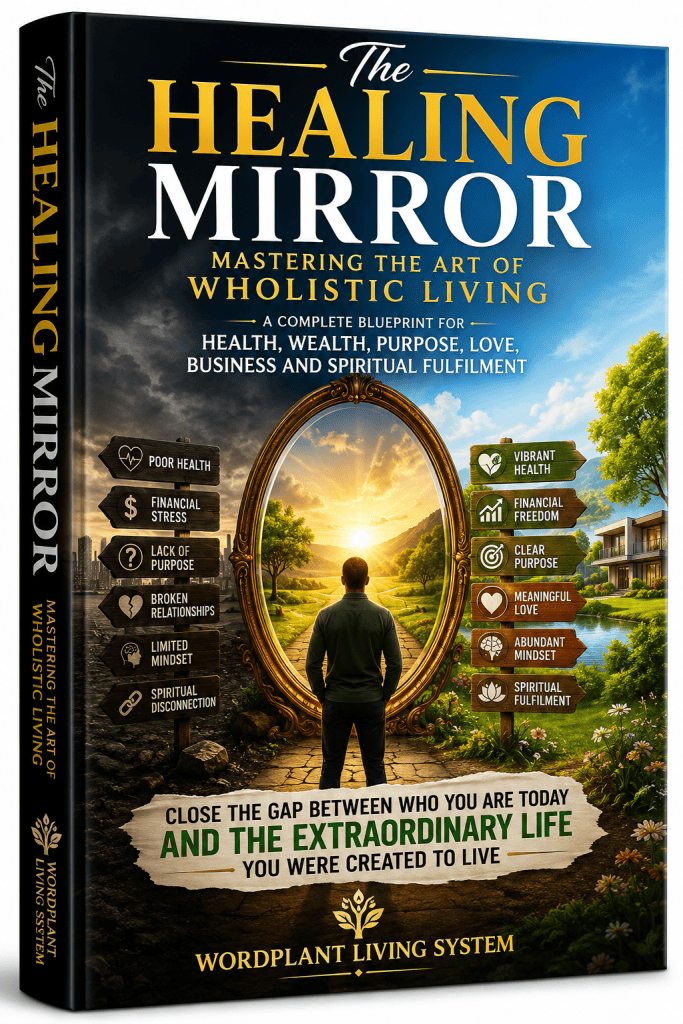
Featured Reading: The Healing Mirror
Discover The Healing Mirror: Mastering the Art of Wholistic Living—a guide to closing the gap between where you are today and the life you want to build across health, wealth, purpose, love, business, and spiritual fulfilment.
The central invitation is simple: understand your present position, clarify your desired destination, identify the barriers, and take meaningful steps forward.
A Message from Wordplant Living System
At Wordplant Living System, we believe better health begins with better information, thoughtful lifestyle choices, responsible use of nature, and appropriate healthcare.
Our mission is to help people understand their bodies, cultivate supportive habits, and make informed decisions about their wellbeing.
Wordplant Living System Restoring Health Naturally Through Knowledge, Lifestyle and Nature.
Warm regards, Alfred Okoko Founder, Healing Gap Framework Wordplant Living System Life Transformation & Wellness Empowerment
Health note: This newsletter is for education and general wellbeing, not a diagnosis or a substitute for professional medical advice. Lifestyle changes can support health but do not replace indicated treatment. Do not stop or change prescribed medicines without consulting your healthcare professional.
By Alfred Okoko | Founder, Wordplant Living System & The Healing Gap Framework
What if your body isn’t your enemy—but a messenger asking you to change the way you live?
For years, I believed that overcoming a health problem meant fighting harder against the symptoms.
When pain appeared, I wanted it gone.
When my body became uncomfortable, I wanted immediate relief.
Like many people, I focused on what I could do to silence the symptoms without fully understanding the bigger picture of my health.
Then came a turning point that changed the way I looked at my body, my lifestyle and my future.
I began to ask a different question.
Instead of asking, “How do I fight my body?”
I asked:
“What if I need to understand my body differently?”
That question became the beginning of a new journey.
And it eventually helped shape the philosophy behind theo Healing Gap Framework.
🌱 MY STORY: THE DAY I BEGAN LOOKING AT HEALTH DIFFERENTLY
In 2016, I weighed approximately 123 kilograms.
I was living with osteoarthritis, high blood pressure, numbness in my hands and feet, and peptic ulcers associated with the medicines I had been using for arthritis.
I had spent about a year pursuing conventional approaches with little relief from some of my major concerns.
I knew something needed to change.
But I began to realize that repeatedly focusing on individual symptoms was not giving me the broader understanding I needed.
I started examining my daily habits, nutrition, movement, weight, emotional wellbeing and other lifestyle factors.
I began studying how these different elements might influence my health.
I explored changes to my diet and lifestyle and developed a more structured personal wellness plan.
Over the following months, I made substantial changes.
My weight reduced from approximately 123 kilograms to 97 kilograms in about 120 days. I subsequently reached approximately 86 kilograms.
I also experienced major improvements in several of the health problems I had been struggling with.
These were important personal milestones.
But the most significant change was not simply what happened to my weight.
It was the change in the questions I was asking about my health.
I stopped looking at my body only as a source of discomfort.
I began looking at it as something I needed to understand, support and care for.
That shift influenced the way I approached wellness education and eventually contributed to the development of my Healing Gap philosophy.
My experience is a personal story, not a guarantee that another person will experience the same results. Conditions such as osteoarthritis, hypertension and peptic ulcers have different causes and may require medical treatment.
🪞 LESSON 1: YOUR BODY IS NOT YOUR ENEMY
When you experience persistent pain, fatigue, digestive discomfort or other symptoms, it is natural to become frustrated.
You may feel betrayed by your own body.
You may wonder why it isn’t responding the way you want.
You may even begin to believe that your body is working against you.
But consider another perspective.
Symptoms are information that deserves attention.
Pain may indicate an injury, inflammation or another underlying problem.
Persistent fatigue can have many possible causes.
Digestive discomfort may reflect anything from temporary irritation to a condition requiring medical evaluation.
Symptoms do not always reveal their cause, and some serious conditions produce few early warning signs.
That is why listening to your body means taking symptoms seriously, seeking appropriate assessment and making informed decisions.
It does not mean assuming that every symptom can be corrected through lifestyle changes alone.
The turning point begins when you replace frustration with curiosity and appropriate action.
Instead of asking:
“Why is my body doing this to me?”
Try asking:
“What do I need to understand about this symptom, and what is the safest next step?”
That is a more constructive starting point.
🌿 LESSON 2: STOP LOOKING FOR ONE MAGIC SOLUTION
One of the most important lessons I learned was the value of looking at health more broadly.
Many people search for one food, one herb, one supplement or one exercise that will solve all their health problems.
But human health is complex.
Nutrition matters.
Movement matters.
Sleep matters.
Stress management matters.
Medical care matters.
Your genetics, environment, medical history and social circumstances matter too.
No single remedy can replace a comprehensive approach to a complex health problem.
This is why I developed a deeper interest in the interconnected dimensions of everyday wellness.
I began to see that improving health often requires us to examine several areas of life rather than concentrating on only one.
The goal is not to find a magic solution. It is to identify the right combination of actions for your individual circumstances.
Sometimes that means changing a daily habit.
Sometimes it means receiving medical treatment.
Sometimes it means doing both.
Wisdom lies in knowing the difference.
🌱 LESSON 3: DISCOVER YOUR HEALING GAP
This realization helped shape the central idea of the Healing Gap Framework.
Every meaningful transformation begins with understanding the distance between your current reality and your desired future.
I call that distance the Healing Gap.
The framework follows a practical sequence:
1. YOUR CURRENT STATE
Where are you today?
What symptoms, habits, challenges or circumstances are you dealing with?
What does your current lifestyle look like?
What have you already tried?
2. YOUR DESIRED STATE
Where would you like to be?
Perhaps you want to move more comfortably, improve your eating habits, sleep better, manage a diagnosed condition or regain confidence in your daily activities.
Make your goal realistic and specific.
3. YOUR BARRIERS
What is preventing progress?
Could it be inconsistent habits, limited knowledge, financial constraints, emotional stress, an untreated medical condition or difficulty accessing appropriate care?
Identify the actual barriers rather than blaming yourself.
4. YOUR ACTION PLAN
What practical steps can you take?
Choose actions that are appropriate for your health, circumstances and goals.
5. YOUR PROGRESS
How will you know whether your actions are helping?
Track meaningful indicators, review your experience and seek professional guidance when necessary.
6. YOUR MILESTONE
Recognize the progress you make.
Your milestone might be improved mobility, a healthier routine, better symptom management or a clearer understanding of your condition.
This is your personal version of Freedom Day.
It does not necessarily mean that every health problem has disappeared.
It means you have reached a meaningful goal and gained a clearer path forward.
🥗 LESSON 4: CULTIVATE YOUR BODY GARDEN
Imagine your body as a garden.
A garden needs attention, suitable conditions and ongoing care.
Your body also benefits from daily practices that support health.
At Wordplant Living System, we use the eight pillars of wholistic wellness to help people examine these practices.
🌿 1. Nutrition
Build a balanced eating pattern that supplies the nutrients your body needs.
💧 2. Hydration
Drink adequate fluids according to your individual needs and medical circumstances.
🚶 3. Movement
Choose appropriate physical activity that supports strength, mobility and cardiovascular health.
😴 4. Sleep
Develop habits that support consistent, restorative sleep.
🧘 5. Stress and Emotional Wellness
Make space for relaxation, emotional awareness and supportive relationships.
🌍 6. Environment
Pay attention to environmental exposures, tobacco smoke, alcohol use and the conditions in which you live and work.
🌱 7. Digestion and Microbiome
Support digestive health through appropriate nutrition, while seeking medical evaluation for persistent digestive symptoms.
❤️ 8. Purpose, Relationships and Spiritual Wellbeing
Cultivate meaningful relationships, personal values, purpose and sources of emotional support.
These pillars are not a promise that every disease can be prevented or reversed.
They are a practical way to examine the many influences on wellbeing and identify areas where constructive changes may be possible.
You cannot control every condition affecting your body, but you can often improve the way you care for it.
💚 LESSON 5: WORK WITH YOUR BODY, NOT AGAINST IT
There is a difference between fighting your body and taking responsibility for your health.
Fighting your body can mean ignoring pain, punishing yourself for your weight, following extreme diets or blaming yourself when recovery takes longer than expected.
Working with your body means paying attention, seeking reliable information and making appropriate changes without shame.
It also means understanding that rest is sometimes necessary.
Medical treatment can be necessary.
Professional support can be necessary.
And progress may not always follow a straight line.
If you have a chronic condition, a realistic plan may involve a combination of medical care, rehabilitation, nutrition, physical activity and other appropriate support.
You do not have to choose between conventional healthcare and responsible lifestyle improvement.
The objective is to make informed decisions that support your health and quality of life.
🌿 YOUR MONDAY HEALING GAP CHALLENGE
Today, I invite you to begin your own turning point.
You do not need to change your entire life in one day.
You need to identify your starting point.
Take five minutes to answer these questions.
MY PERSONAL HEALTH REFLECTION
1. Where am I today?
What is the main health or lifestyle concern I want to address?
2. Where would I like to be?
What realistic improvement would make a meaningful difference to my life?
3. What have I been doing repeatedly?
Which habits may be helping me? Which might need attention?
4. What is my biggest barrier?
What has made progress difficult?
5. What is my next appropriate step?
Do I need a medical appointment, a better routine, reliable information or support from someone I trust?
6. What will I do today?
Choose one small, practical action.
Write it down.
Then decide when you will review your progress.
Remember:
Awareness creates an opportunity for action. Consistent action creates an opportunity for change.
📚 FEATURED READING
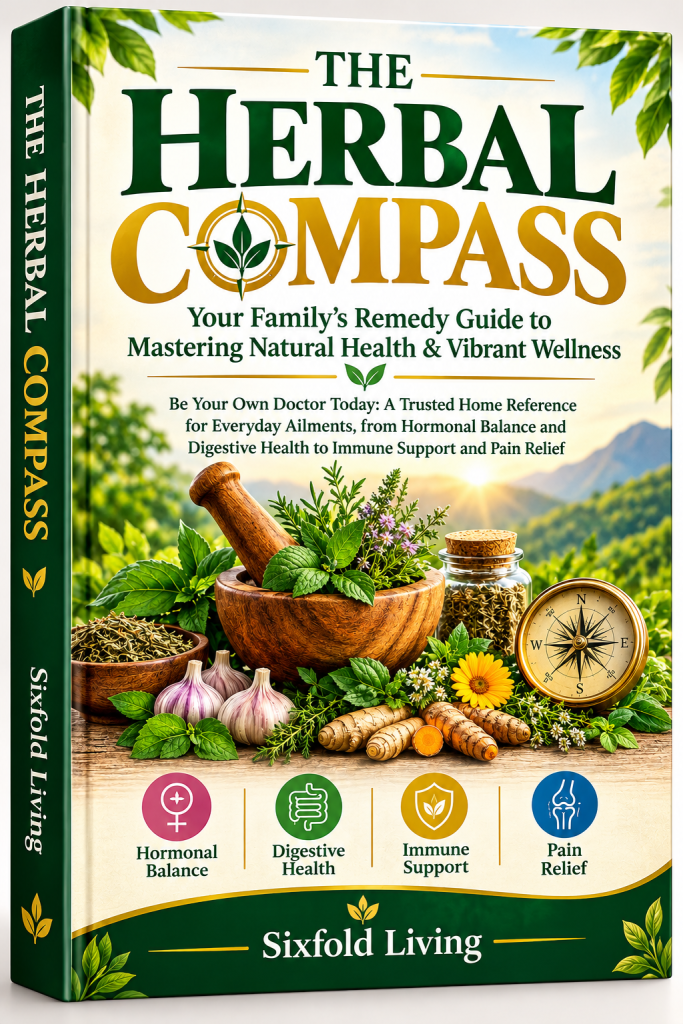
THE HERBAL COMPASS
Your Family’s Remedy Guide to Mastering Natural Health & Vibrant Wellness
10 Vital Takeaways from The Herbal Compass
Your Body Is Designed to Heal
The foundational principle of the book is that your body possesses an innate healing intelligence. Herbal remedies don’t “fix” you—they support and amplify your body’s natural ability to restore balance. This shift in perspective transforms you from a passive patient into an active participant in your own wellness journey.
Safety First, Always
Natural does not automatically mean safe. The book emphasizes understanding proper dosages, potential herb-drug interactions, and contraindications. Knowing when not to use a remedy—and when to seek professional medical care—is just as important as knowing which herb to reach for. This golden rule protects you and your family.
Preparation Method Determines Potency
How you prepare an herb dramatically affects its healing power. A simple tea (infusion) extracts different compounds than a tincture, salve, or poultice. Mastering basic preparation techniques—teas, decoctions, tinctures, salves, and poultices—unlocks the full therapeutic potential of your herbal pharmacy and ensures you get consistent, reliable results.
Food Is Your First Medicine
Before reaching for any remedy, examine your plate. The book teaches that nutritional foundations—whole foods, proper hydration, and eliminating inflammatory triggers—create the terrain for healing. Herbal remedies work best when built upon a foundation of wholesome nutrition. You cannot out-supplement a poor diet.
Conditions Are Connected, Not Isolated
The body operates as an interconnected system. Skin issues may reflect gut imbalances; hormonal problems may stem from liver congestion; poor circulation may affect brain function. The book teaches you to look for root causes rather than chasing symptoms, addressing the whole person rather than isolated complaints.
One Herb, Many Uses—Learn Your Materia Medica
Rather than memorizing 700 separate remedies, the book empowers you to understand key herbs deeply. Many herbs serve multiple purposes: ginger calms nausea, reduces inflammation, and supports circulation. By learning a core repertoire of versatile herbs, you build confidence and efficiency in your home practice.
Family Wellness Requires Age-Appropriate Care
Children and the elderly have different physiological needs, metabolisms, and sensitivities. The book provides dedicated guidance for adapting remedies across generations—gentler doses for little ones, supportive formulations for aging bodies—ensuring that your herbal practice is safe and effective for everyone under your roof.
Consistency Creates Transformation
Herbal healing is rarely instantaneous. The book emphasizes that chronic conditions require consistent, patient application over weeks or months. A daily cup of supportive tea, a regular salve application, or a sustained dietary shift compounds over time. Patience and consistency are the unsung heroes of natural wellness.
Your Home Pharmacy Is an Investment in Preparedness
Stocking your home with dried herbs, tinctures, salves, and base ingredients is more than a hobby—it’s a form of healthcare preparedness. The book guides you in building a practical, organized herbal cabinet so you’re ready to address common ailments immediately, reducing reliance on emergency trips and over-the-counter medications.
Holistic Wellness Includes Mind, Body, and Spirit
True vibrant health extends beyond physical symptoms. The book integrates stress management, sleep quality, emotional well-being, and mindful living into its protocols. Herbs for anxiety, relaxation, and sleep are part of the toolkit because the mind-body connection is inseparable from physical healing. Wellness is a lifestyle, not a quick fix.
For More Details on the book WhatsApp the word: HERBAL COMPASS
Bonus Takeaway:
This book is a bridge, not a replacement. It empowers you to take charge of everyday wellness while honoring the vital role of professional medical care. Wisdom lies in knowing when to use your herbal knowledge and when to seek expert help.
These ten takeaways capture the heart of The Herbal Compass—a philosophy of empowerment, safety, and holistic living that transforms readers from health consumers into health creators.
Your next step is action.
Your journey unfolds through practice.
💬 A PERSONAL MESSAGE FROM ALFRED OKOKO
My turning point taught me to look at health differently.
I began to pay closer attention to my lifestyle, examine my choices and seek a broader understanding of wellbeing.
My personal experience became part of the inspiration behind the work I now share through Wordplant Living System and the Healing Gap Framework.
I do not believe that every person will experience the same journey or that one approach will work for everyone.
But I believe people deserve access to knowledge that helps them ask better questions, make informed decisions and take a more active role in their wellbeing.
You do not have to wait until everything is wrong before you begin caring for yourself.
You do not have to blame yourself for every health challenge.
And you do not have to navigate your journey without support.
Begin where you are. Understand your situation. Take the next appropriate step.
Your turning point may begin with one question, one decision or one new habit.
The important thing is to begin wisely.
— Alfred Okoko Founder, Wordplant Living System Founder, The Healing Gap Framework
WORDPLANT LIVING SYSTEM
Restoring Health Naturally Through Knowledge, Lifestyle and Nature.
YOUR BODY IS THE GARDEN.
YOUR HABITS ARE THE SEEDS.
YOUR LIFESTYLE IS THE CULTIVATION.
YOUR WELLBEING IS THE HARVEST.
This Monday, stop treating yourself as the enemy. Start treating your health as something worthy of understanding, attention and care.
Health note: This newsletter shares personal experience and general wellness education. It does not replace professional medical advice, diagnosis or treatment. Never stop prescribed medication or delay medical care because of a personal recovery story.