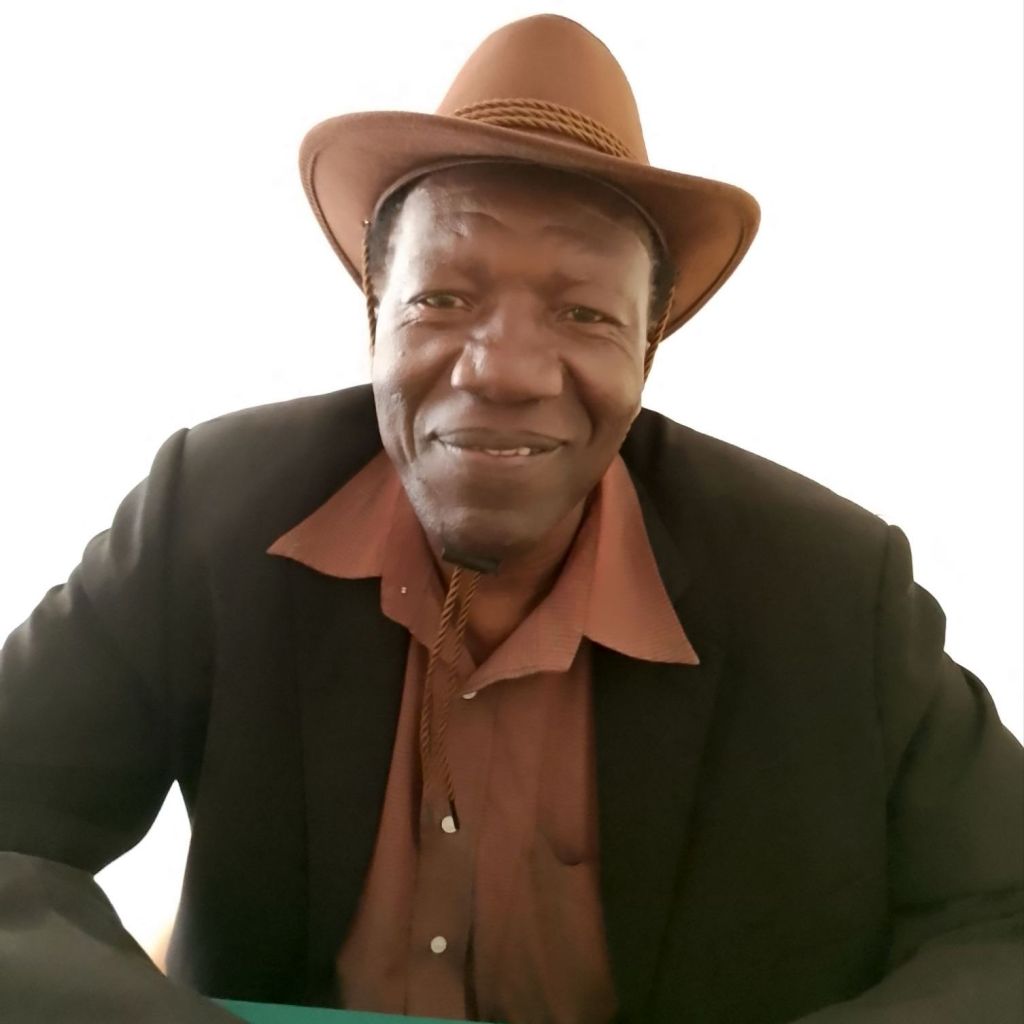
Monday Wellness & Transformation Edition
19 October 2026
MY TURNING POINT
When I Stopped Fighting My Body
By Alfred Okoko | Founder, Wordplant Living System & The Healing Gap Framework
What if your body isn’t your enemy—but a messenger asking you to change the way you live?
For years, I believed that overcoming a health problem meant fighting harder against the symptoms.
When pain appeared, I wanted it gone.
When my body became uncomfortable, I wanted immediate relief.
Like many people, I focused on what I could do to silence the symptoms without fully understanding the bigger picture of my health.
Then came a turning point that changed the way I looked at my body, my lifestyle and my future.
I began to ask a different question.
Instead of asking, “How do I fight my body?”
I asked:
“What if I need to understand my body differently?”
That question became the beginning of a new journey.
And it eventually helped shape the philosophy behind theo Healing Gap Framework.
🌱 MY STORY: THE DAY I BEGAN LOOKING AT HEALTH DIFFERENTLY
In 2016, I weighed approximately 123 kilograms.
I was living with osteoarthritis, high blood pressure, numbness in my hands and feet, and peptic ulcers associated with the medicines I had been using for arthritis.
I had spent about a year pursuing conventional approaches with little relief from some of my major concerns.
I knew something needed to change.
But I began to realize that repeatedly focusing on individual symptoms was not giving me the broader understanding I needed.
I started examining my daily habits, nutrition, movement, weight, emotional wellbeing and other lifestyle factors.
I began studying how these different elements might influence my health.
I explored changes to my diet and lifestyle and developed a more structured personal wellness plan.
Over the following months, I made substantial changes.
My weight reduced from approximately 123 kilograms to 97 kilograms in about 120 days. I subsequently reached approximately 86 kilograms.
I also experienced major improvements in several of the health problems I had been struggling with.
These were important personal milestones.
But the most significant change was not simply what happened to my weight.
It was the change in the questions I was asking about my health.
I stopped looking at my body only as a source of discomfort.
I began looking at it as something I needed to understand, support and care for.
That shift influenced the way I approached wellness education and eventually contributed to the development of my Healing Gap philosophy.
My experience is a personal story, not a guarantee that another person will experience the same results. Conditions such as osteoarthritis, hypertension and peptic ulcers have different causes and may require medical treatment.
🪞 LESSON 1: YOUR BODY IS NOT YOUR ENEMY
When you experience persistent pain, fatigue, digestive discomfort or other symptoms, it is natural to become frustrated.
You may feel betrayed by your own body.
You may wonder why it isn’t responding the way you want.
You may even begin to believe that your body is working against you.
But consider another perspective.
Symptoms are information that deserves attention.
Pain may indicate an injury, inflammation or another underlying problem.
Persistent fatigue can have many possible causes.
Digestive discomfort may reflect anything from temporary irritation to a condition requiring medical evaluation.
Symptoms do not always reveal their cause, and some serious conditions produce few early warning signs.
That is why listening to your body means taking symptoms seriously, seeking appropriate assessment and making informed decisions.
It does not mean assuming that every symptom can be corrected through lifestyle changes alone.
The turning point begins when you replace frustration with curiosity and appropriate action.
Instead of asking:
“Why is my body doing this to me?”
Try asking:
“What do I need to understand about this symptom, and what is the safest next step?”
That is a more constructive starting point.
🌿 LESSON 2: STOP LOOKING FOR ONE MAGIC SOLUTION
One of the most important lessons I learned was the value of looking at health more broadly.
Many people search for one food, one herb, one supplement or one exercise that will solve all their health problems.
But human health is complex.
Nutrition matters.
Movement matters.
Sleep matters.
Stress management matters.
Medical care matters.
Your genetics, environment, medical history and social circumstances matter too.
No single remedy can replace a comprehensive approach to a complex health problem.
This is why I developed a deeper interest in the interconnected dimensions of everyday wellness.
I began to see that improving health often requires us to examine several areas of life rather than concentrating on only one.
The goal is not to find a magic solution. It is to identify the right combination of actions for your individual circumstances.
Sometimes that means changing a daily habit.
Sometimes it means receiving medical treatment.
Sometimes it means doing both.
Wisdom lies in knowing the difference.
🌱 LESSON 3: DISCOVER YOUR HEALING GAP
This realization helped shape the central idea of the Healing Gap Framework.
Every meaningful transformation begins with understanding the distance between your current reality and your desired future.
I call that distance the Healing Gap.
The framework follows a practical sequence:
1. YOUR CURRENT STATE
Where are you today?
What symptoms, habits, challenges or circumstances are you dealing with?
What does your current lifestyle look like?
What have you already tried?
2. YOUR DESIRED STATE
Where would you like to be?
Perhaps you want to move more comfortably, improve your eating habits, sleep better, manage a diagnosed condition or regain confidence in your daily activities.
Make your goal realistic and specific.
3. YOUR BARRIERS
What is preventing progress?
Could it be inconsistent habits, limited knowledge, financial constraints, emotional stress, an untreated medical condition or difficulty accessing appropriate care?
Identify the actual barriers rather than blaming yourself.
4. YOUR ACTION PLAN
What practical steps can you take?
Choose actions that are appropriate for your health, circumstances and goals.
5. YOUR PROGRESS
How will you know whether your actions are helping?
Track meaningful indicators, review your experience and seek professional guidance when necessary.
6. YOUR MILESTONE
Recognize the progress you make.
Your milestone might be improved mobility, a healthier routine, better symptom management or a clearer understanding of your condition.
This is your personal version of Freedom Day.
It does not necessarily mean that every health problem has disappeared.
It means you have reached a meaningful goal and gained a clearer path forward.
🥗 LESSON 4: CULTIVATE YOUR BODY GARDEN
Imagine your body as a garden.
A garden needs attention, suitable conditions and ongoing care.
Your body also benefits from daily practices that support health.
At Wordplant Living System, we use the eight pillars of wholistic wellness to help people examine these practices.
🌿 1. Nutrition
Build a balanced eating pattern that supplies the nutrients your body needs.
💧 2. Hydration
Drink adequate fluids according to your individual needs and medical circumstances.
🚶 3. Movement
Choose appropriate physical activity that supports strength, mobility and cardiovascular health.
😴 4. Sleep
Develop habits that support consistent, restorative sleep.
🧘 5. Stress and Emotional Wellness
Make space for relaxation, emotional awareness and supportive relationships.
🌍 6. Environment
Pay attention to environmental exposures, tobacco smoke, alcohol use and the conditions in which you live and work.
🌱 7. Digestion and Microbiome
Support digestive health through appropriate nutrition, while seeking medical evaluation for persistent digestive symptoms.
❤️ 8. Purpose, Relationships and Spiritual Wellbeing
Cultivate meaningful relationships, personal values, purpose and sources of emotional support.
These pillars are not a promise that every disease can be prevented or reversed.
They are a practical way to examine the many influences on wellbeing and identify areas where constructive changes may be possible.
You cannot control every condition affecting your body, but you can often improve the way you care for it.
💚 LESSON 5: WORK WITH YOUR BODY, NOT AGAINST IT
There is a difference between fighting your body and taking responsibility for your health.
Fighting your body can mean ignoring pain, punishing yourself for your weight, following extreme diets or blaming yourself when recovery takes longer than expected.
Working with your body means paying attention, seeking reliable information and making appropriate changes without shame.
It also means understanding that rest is sometimes necessary.
Medical treatment can be necessary.
Professional support can be necessary.
And progress may not always follow a straight line.
If you have a chronic condition, a realistic plan may involve a combination of medical care, rehabilitation, nutrition, physical activity and other appropriate support.
You do not have to choose between conventional healthcare and responsible lifestyle improvement.
The objective is to make informed decisions that support your health and quality of life.
🌿 YOUR MONDAY HEALING GAP CHALLENGE
Today, I invite you to begin your own turning point.
You do not need to change your entire life in one day.
You need to identify your starting point.
Take five minutes to answer these questions.
MY PERSONAL HEALTH REFLECTION
1. Where am I today?
What is the main health or lifestyle concern I want to address?
2. Where would I like to be?
What realistic improvement would make a meaningful difference to my life?
3. What have I been doing repeatedly?
Which habits may be helping me? Which might need attention?
4. What is my biggest barrier?
What has made progress difficult?
5. What is my next appropriate step?
Do I need a medical appointment, a better routine, reliable information or support from someone I trust?
6. What will I do today?
Choose one small, practical action.
Write it down.
Then decide when you will review your progress.
Remember:
Awareness creates an opportunity for action. Consistent action creates an opportunity for change.
📚 FEATURED READING
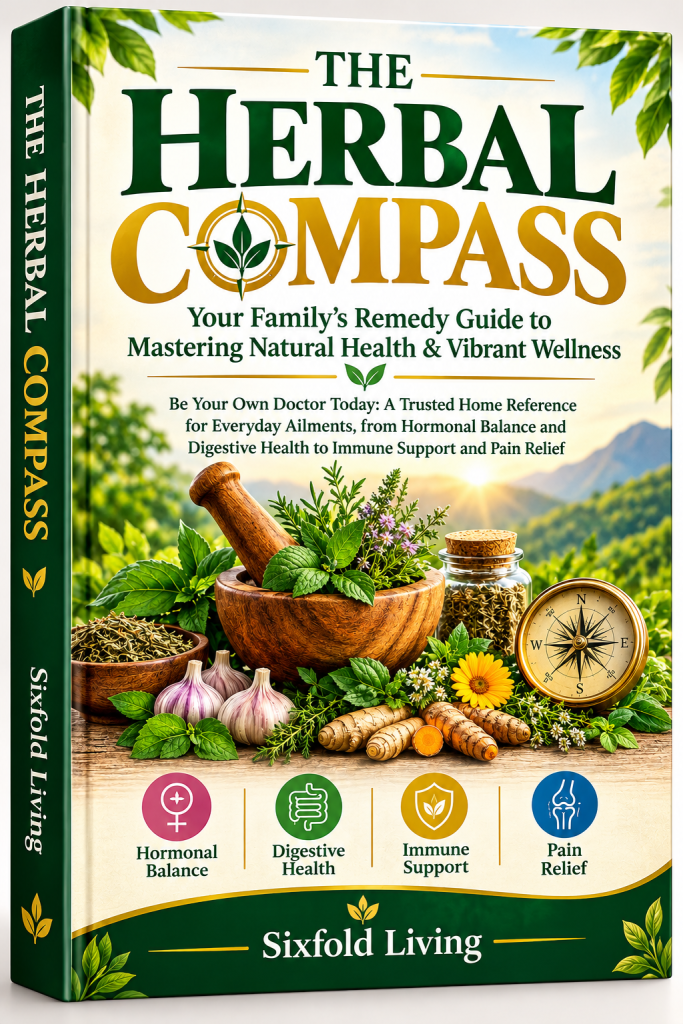
THE HERBAL COMPASS
Your Family’s Remedy Guide to Mastering Natural Health & Vibrant Wellness
10 Vital Takeaways from The Herbal Compass
- Your Body Is Designed to Heal
The foundational principle of the book is that your body possesses an innate healing intelligence. Herbal remedies don’t “fix” you—they support and amplify your body’s natural ability to restore balance. This shift in perspective transforms you from a passive patient into an active participant in your own wellness journey.
- Safety First, Always
Natural does not automatically mean safe. The book emphasizes understanding proper dosages, potential herb-drug interactions, and contraindications. Knowing when not to use a remedy—and when to seek professional medical care—is just as important as knowing which herb to reach for. This golden rule protects you and your family.
- Preparation Method Determines Potency
How you prepare an herb dramatically affects its healing power. A simple tea (infusion) extracts different compounds than a tincture, salve, or poultice. Mastering basic preparation techniques—teas, decoctions, tinctures, salves, and poultices—unlocks the full therapeutic potential of your herbal pharmacy and ensures you get consistent, reliable results.
- Food Is Your First Medicine
Before reaching for any remedy, examine your plate. The book teaches that nutritional foundations—whole foods, proper hydration, and eliminating inflammatory triggers—create the terrain for healing. Herbal remedies work best when built upon a foundation of wholesome nutrition. You cannot out-supplement a poor diet.
- Conditions Are Connected, Not Isolated
The body operates as an interconnected system. Skin issues may reflect gut imbalances; hormonal problems may stem from liver congestion; poor circulation may affect brain function. The book teaches you to look for root causes rather than chasing symptoms, addressing the whole person rather than isolated complaints.
- One Herb, Many Uses—Learn Your Materia Medica
Rather than memorizing 700 separate remedies, the book empowers you to understand key herbs deeply. Many herbs serve multiple purposes: ginger calms nausea, reduces inflammation, and supports circulation. By learning a core repertoire of versatile herbs, you build confidence and efficiency in your home practice.
- Family Wellness Requires Age-Appropriate Care
Children and the elderly have different physiological needs, metabolisms, and sensitivities. The book provides dedicated guidance for adapting remedies across generations—gentler doses for little ones, supportive formulations for aging bodies—ensuring that your herbal practice is safe and effective for everyone under your roof.
- Consistency Creates Transformation
Herbal healing is rarely instantaneous. The book emphasizes that chronic conditions require consistent, patient application over weeks or months. A daily cup of supportive tea, a regular salve application, or a sustained dietary shift compounds over time. Patience and consistency are the unsung heroes of natural wellness.
- Your Home Pharmacy Is an Investment in Preparedness
Stocking your home with dried herbs, tinctures, salves, and base ingredients is more than a hobby—it’s a form of healthcare preparedness. The book guides you in building a practical, organized herbal cabinet so you’re ready to address common ailments immediately, reducing reliance on emergency trips and over-the-counter medications.
- Holistic Wellness Includes Mind, Body, and Spirit
True vibrant health extends beyond physical symptoms. The book integrates stress management, sleep quality, emotional well-being, and mindful living into its protocols. Herbs for anxiety, relaxation, and sleep are part of the toolkit because the mind-body connection is inseparable from physical healing. Wellness is a lifestyle, not a quick fix.
For More Details on the book WhatsApp the word: HERBAL COMPASS
Bonus Takeaway:
This book is a bridge, not a replacement. It empowers you to take charge of everyday wellness while honoring the vital role of professional medical care. Wisdom lies in knowing when to use your herbal knowledge and when to seek expert help.
These ten takeaways capture the heart of The Herbal Compass—a philosophy of empowerment, safety, and holistic living that transforms readers from health consumers into health creators.
Your next step is action.
Your journey unfolds through practice.
💬 A PERSONAL MESSAGE FROM ALFRED OKOKO
My turning point taught me to look at health differently.
I began to pay closer attention to my lifestyle, examine my choices and seek a broader understanding of wellbeing.
My personal experience became part of the inspiration behind the work I now share through Wordplant Living System and the Healing Gap Framework.
I do not believe that every person will experience the same journey or that one approach will work for everyone.
But I believe people deserve access to knowledge that helps them ask better questions, make informed decisions and take a more active role in their wellbeing.
You do not have to wait until everything is wrong before you begin caring for yourself.
You do not have to blame yourself for every health challenge.
And you do not have to navigate your journey without support.
Begin where you are. Understand your situation. Take the next appropriate step.
Your turning point may begin with one question, one decision or one new habit.
The important thing is to begin wisely.
— Alfred Okoko
Founder, Wordplant Living System
Founder, The Healing Gap Framework
WORDPLANT LIVING SYSTEM
Restoring Health Naturally Through Knowledge, Lifestyle and Nature.
YOUR BODY IS THE GARDEN.
YOUR HABITS ARE THE SEEDS.
YOUR LIFESTYLE IS THE CULTIVATION.
YOUR WELLBEING IS THE HARVEST.
This Monday, stop treating yourself as the enemy. Start treating your health as something worthy of understanding, attention and care.
Health note: This newsletter shares personal experience and general wellness education. It does not replace professional medical advice, diagnosis or treatment. Never stop prescribed medication or delay medical care because of a personal recovery story.