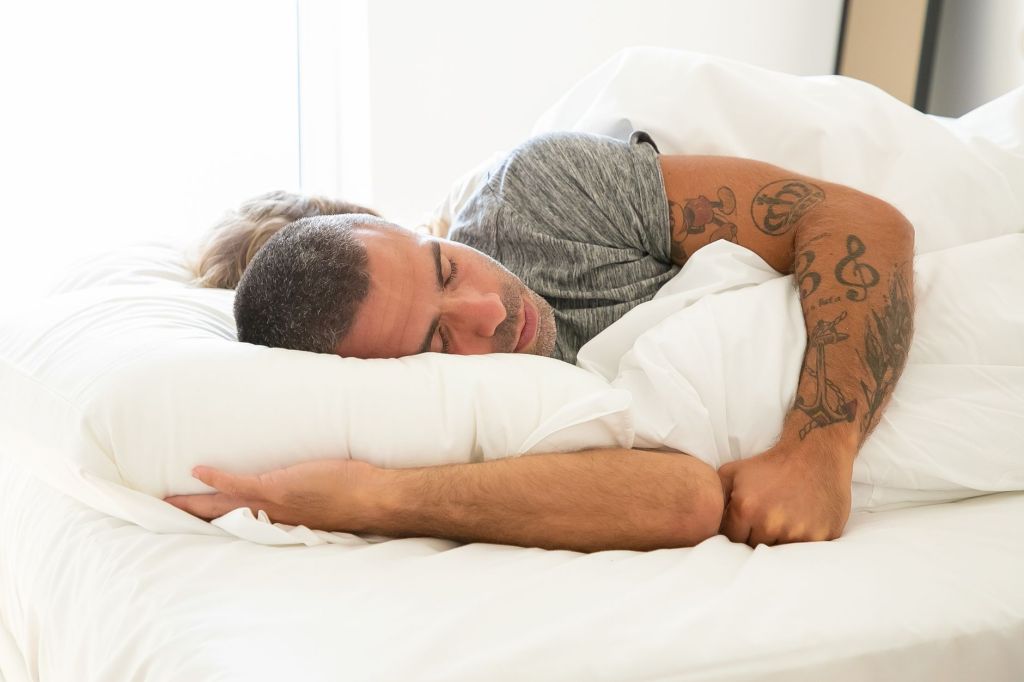
Discover why sleep and rest are essential Body Garden Pillars and how quality sleep supports physical recovery, brain function, emotional wellbeing, metabolism, immunity, and everyday wellness.
Introduction
What happens to a garden when it is constantly exposed to activity but never given time to recover?
The soil becomes depleted.
The plants become stressed.
Growth becomes difficult.
The garden needs periods of restoration.
Your body does too.
In a world that celebrates productivity, busyness and constant activity, sleep and rest can easily be treated as optional.
People stay up late to finish work.
They sacrifice sleep to scroll through their phones.
They work long hours.
They care for everyone else while neglecting their own recovery.
Eventually, the body begins to send signals.
Fatigue.
Irritability.
Difficulty concentrating.
Low energy.
Reduced motivation.
Changes in appetite.
Feeling physically and mentally drained.
These signals are reminders that the human body needs more than food and movement.
It also needs restoration.
That is why sleep and rest are essential Body Garden Pillars.
Your body is a garden.
Sleep and rest are part of how you tend the soil.
Sleep Is Not Wasted Time
One of the most important mindset shifts is recognizing that sleep is not wasted time.
Sleep is an active biological process.
While you sleep, your body continues working.
The brain processes information and supports important maintenance functions. Your body regulates many biological processes, and sleep contributes to physical and emotional recovery.
You may appear completely still while sleeping, but your body is not simply “switched off.”
It is engaged in restoration.
This is why regularly sacrificing sleep can interfere with many aspects of wellbeing.
Why Does the Body Need Sleep?
Think about your smartphone.
You can use it throughout the day.
Eventually, the battery becomes depleted.
You recharge it.
The phone does not become less useful because it needs charging.
Charging is part of maintaining its function.
Your body is more complex than a smartphone, of course, but the analogy illustrates an important principle.
Activity creates a need for recovery.
You move.
You work.
You think.
You make decisions.
You experience emotions.
You interact with people.
You process information.
Your body responds to your environment.
Sleep provides one important period in which many restorative processes take place.
Sleep Supports Brain Function
Your brain is working throughout the day.
You learn.
You remember.
You solve problems.
You communicate.
You make decisions.
You experience emotions.
Sleep plays an important role in supporting brain function, including processes related to learning and memory.
When you are chronically sleep-deprived, everyday mental tasks can become more difficult.
You may struggle to concentrate.
You may feel mentally foggy.
You may become more easily distracted.
You may find it harder to manage ordinary challenges.
Sometimes what feels like a lack of motivation may partly reflect inadequate recovery.
This does not mean every problem is caused by poor sleep.
It means sleep deserves a place in the wellness conversation.
Sleep and Emotional Wellness
Have you ever noticed that everything seems more difficult after a very poor night’s sleep?
A small problem can feel enormous.
A minor disagreement can feel more frustrating.
Patience may become harder.
Emotional reactions may become stronger.
Sleep and emotional regulation are closely connected.
Adequate sleep can support the body’s ability to manage stress and emotions.
This is particularly relevant to the Body Garden philosophy because stress and emotional wellness are another one of the Eight Pillars.
The pillars do not exist separately.
They interact.
Poor sleep can make stress harder to manage.
High stress can make sleep more difficult.
This can create a cycle.
Understanding that cycle is the beginning of changing it.
Sleep and Physical Recovery
Your body experiences physical demands every day.
You walk.
You stand.
You work.
You exercise.
You carry things.
You climb stairs.
You perform household tasks.
Even when you are not exercising, your body is constantly functioning.
Rest gives the body an opportunity to recover from these demands.
This is particularly important for people who are physically active.
A healthy movement routine therefore needs an equally healthy recovery strategy.
Movement and rest are partners, not enemies.
Sleep and the Immune System
Sleep also interacts with immune function.
The immune system is a complex network that protects the body from many threats.
Adequate sleep supports normal immune processes.
This is another reason why the Body Garden should not be viewed as a machine that can operate indefinitely without maintenance.
Your body needs nourishment.
Your body needs hydration.
Your body needs movement.
Your body needs rest.
These elements work together.
Sleep and Metabolic Health
Sleep also interacts with appetite, energy regulation and metabolism.
When sleep becomes consistently inadequate, it can affect biological processes involved in appetite and energy balance.
This can make healthy lifestyle changes more challenging for some people.
Again, the lesson is not that sleep alone determines body weight or metabolic health.
It is that sleep belongs in the larger picture.
Instead of asking:
“What food should I remove?”
sometimes we should also ask:
“How well am I recovering?”
How Much Sleep Do You Need?
Sleep needs vary according to age and individual circumstances.
Children and teenagers generally require more sleep than adults.
Adults commonly need around seven or more hours of sleep per night, although individual needs can vary.
Older adults may experience changes in sleep patterns while still requiring adequate sleep.
The important point is not to treat one number as a universal prescription.
Pay attention to both quantity and quality.
Ask yourself:
- Am I getting enough sleep for my needs?
- Do I wake feeling reasonably refreshed?
- Do I regularly struggle to stay awake during the day?
- Do I have difficulty falling asleep?
- Do I wake repeatedly during the night?
- Is my sleep schedule consistent?
- Is something interfering with my sleep?
These questions can reveal your sleep gap.
What Is the Sleep Gap?
The Healing Gap Framework™ encourages us to examine the difference between our current state and desired state.
Imagine:
Current State: You sleep five hours most nights and feel exhausted during the day.
Desired State: You want a more consistent sleep routine and better daytime energy.
The space between these two states is your sleep gap.
Now identify the barriers.
Perhaps you stay on your phone until midnight.
Perhaps you drink caffeine late in the day.
Perhaps your work schedule changes frequently.
Perhaps you have a noisy sleeping environment.
Perhaps you are experiencing persistent stress.
Perhaps you have symptoms of a sleep disorder.
The next step is not self-blame.
It is investigation.
Create a Sleep-Friendly Environment
Your sleeping environment can influence your ability to rest.
Where possible, consider making your bedroom:
Dark: Reduce unnecessary light.
Quiet: Minimize disruptive noise where practical.
Comfortable: Pay attention to temperature, bedding and sleeping position.
Calm: Reduce activities that stimulate your mind immediately before bed.
Your bedroom should communicate a simple message to your brain:
It is time to rest.
Your Evening Routine Matters
The transition from daytime activity to nighttime rest does not have to happen instantly.
Consider creating a short wind-down routine.
You might:
- Dim the lights.
- Put away unnecessary screens.
- Take a warm shower.
- Read something relaxing.
- Practice gentle breathing.
- Stretch lightly.
- Write tomorrow’s priorities down.
- Spend a few quiet minutes reflecting.
- Prepare your bedroom for sleep.
The goal is to create a consistent signal that the day is coming to an end.
Technology and the Sleep Garden
Technology has brought enormous benefits.
But smartphones, television, social media and other devices can also keep the brain stimulated late into the night.
The problem is not necessarily technology itself.
The issue is how and when we use it.
A practical experiment is to create a period before bed when you reduce unnecessary screen activity.
Instead of scrolling endlessly, try giving your mind permission to become quieter.
You might discover that the biggest barrier to sleep is not the bedroom.
It is the stimulation you bring into the bedroom.
Caffeine and Sleep
Caffeine can help people feel more alert, but it can also interfere with sleep, especially when consumed later in the day or in larger amounts.
People vary in their sensitivity to caffeine.
If you struggle with sleep, consider observing whether coffee, energy drinks, tea or other caffeinated beverages consumed later in the day affect your sleep.
You do not necessarily need to eliminate them.
The goal is awareness.
Observe → adjust → observe again.
That is the gardener’s mindset.
Alcohol Is Not a Reliable Sleep Solution
Some people believe alcohol helps them sleep because it can make them feel drowsy.
However, alcohol can interfere with sleep quality and disrupt normal sleep patterns.
Feeling sedated is not necessarily the same thing as achieving restorative sleep.
Healthy sleep should not depend on substances that disrupt normal physiology.
Rest Is Bigger Than Sleep
This distinction is important.
Sleep is one form of rest, but rest is broader than sleep.
You can be physically awake and still benefit from restoration.
Rest can include:
- Quiet time
- Relaxation
- Time in nature
- Gentle breathing
- Reading
- Prayer or reflection
- Social connection
- Taking a break from work
- Leisure activities
- Gentle stretching
- Unstructured time
- Doing something enjoyable without productivity pressure
Your body needs both sleep and periods of lower demand.
The Difference Between Rest and Laziness
Many people feel guilty when they rest.
They believe that if they are not working, they are wasting time.
But rest and laziness are not the same thing.
Laziness implies avoiding necessary action.
Rest is a deliberate part of recovery.
A gardener who rests after working in the garden is not neglecting the garden.
They are allowing themselves to recover so they can continue tending it.
The same principle applies to you.
Rest is not the opposite of productivity.
Sometimes rest is what makes sustainable productivity possible.
The Body Garden Pillars Work Together
Sleep and rest connect with all the other Body Garden Pillars.
Nutrition
Food choices and meal timing can influence comfort and energy.
Hydration
Adequate hydration supports normal body functions, while excessive fluid intake immediately before bed may disturb sleep for some people.
Movement
Regular physical activity can support healthy sleep, while excessive training without recovery can contribute to fatigue.
Stress and Emotional Wellness
Stress can interfere with sleep, while inadequate sleep can make stress harder to manage.
Digestion and Microbiome
Digestive comfort can influence nighttime wellbeing, while broader lifestyle habits influence both sleep and digestive health.
Environment
Light, noise, temperature, air quality and other environmental factors can affect sleep.
Purpose and Relationships
A sense of meaning, healthy relationships and emotional peace can contribute to a healthier lifestyle and bedtime routine.
The garden is interconnected.
When Poor Sleep Is a Message
The Body Garden philosophy teaches:
Symptoms are messages, not enemies.
Difficulty sleeping can sometimes be a message worth investigating.
Perhaps your routine is inconsistent.
Perhaps you are under significant stress.
Perhaps your environment is unsuitable.
Perhaps you are consuming stimulating substances late in the day.
Perhaps pain is disturbing your sleep.
Perhaps another health issue is affecting your rest.
Instead of immediately fighting the symptom, ask:
What might be contributing to this pattern?
This does not mean every sleep problem has a simple lifestyle explanation.
Persistent sleep difficulties can have many causes and may require professional evaluation.
The purpose of the question is to encourage curiosity rather than fear.
When to Seek Professional Help
Occasional poor sleep is common.
Persistent or severe sleep problems deserve attention.
Consider seeking professional healthcare advice if you regularly experience significant insomnia, loud snoring with pauses in breathing, gasping during sleep, excessive daytime sleepiness, unexplained nighttime symptoms, or other persistent problems affecting your daily life.
Sleep disorders can require proper assessment and treatment.
Wellness education should complement—not replace—appropriate healthcare.
Your Seven-Day Sleep Garden Challenge
Try a simple seven-day experiment.
For one week, observe your sleep without judging yourself.
Record:
Bedtime
Approximate time you fell asleep
Night awakenings
Wake-up time
How refreshed you felt
Caffeine timing
Screen use before bed
Stress level
You may begin to notice patterns.
Then choose one small change.
Perhaps you establish a consistent bedtime.
Perhaps you reduce late-night scrolling.
Perhaps you create a wind-down routine.
Perhaps you move caffeine earlier in the day.
Perhaps you make your bedroom more comfortable.
Do not attempt to change everything simultaneously.
Cultivate one area.
Observe the result.
Then build from there.
The Healing Gap and Sleep
The Healing Gap Framework™ gives you a simple pathway:
Current State
What is your sleep like now?
Desired State
What would healthy, restorative sleep look like for you?
Gap
What needs to change?
Barriers
What is preventing that change?
Action Steps
What small habit can you introduce?
Progress
What happens when you practice it consistently?
Freedom Day
What would life feel like if healthy sleep became a normal part of your lifestyle?
This is not about chasing perfect sleep.
It is about cultivating better conditions for sleep and recovery.
Give Yourself Permission to Rest
One of the most powerful wellness decisions you can make is to stop treating rest as something you must earn.
You do not have to collapse before you are allowed to rest.
You do not have to finish everything before you are allowed to sleep.
You do not have to solve every problem before your body deserves recovery.
Sometimes the wisest action is to pause.
Breathe.
Sleep.
Recover.
Begin again.
Final Thoughts: Let Your Body Recover
A garden cannot grow through constant activity alone.
It needs cycles.
Planting.
Watering.
Sunlight.
Growth.
Rest.
Recovery.
Your body also operates through cycles.
Activity and recovery.
Wakefulness and sleep.
Effort and restoration.
Movement and rest.
This is why sleep and rest are essential Body Garden Pillars.
You cultivate wellness not only through what you do, but also through how well you allow your body to recover from what you do.
So tonight, consider asking yourself:
Am I giving my body enough opportunity to restore?
If the answer is no, do not respond with guilt.
Respond with curiosity.
Find the gap.
Identify the barrier.
Choose one small action.
And begin cultivating.
Your body is a garden. Sleep and rest help prepare the soil for tomorrow’s growth.
Your Body Is a Garden. Learn How to Cultivate Wellness.
Health & Wellness Disclaimer
This article is intended for general educational and wellness information and is not a substitute for individualized medical diagnosis, treatment or professional healthcare advice. Sleep needs vary by age and individual circumstances. Persistent, severe or unexplained sleep problems should be discussed with an appropriately qualified healthcare professional. Do not stop prescribed medicines or treatment based solely on information in this article.

