Learn about blue cohosh and high blood pressure, its traditional uses, potential cardiovascular risks, interactions, and safer ways to approach natural wellness.
Introduction
High blood pressure is one of the most common health challenges affecting adults worldwide. Because it can develop without obvious symptoms, it is often called a “silent” condition.

This creates a natural question for people interested in herbal wellness:
Can blue cohosh help with high blood pressure?
The short answer is: blue cohosh should not be considered a treatment for high blood pressure. In fact, there are important safety concerns surrounding blue cohosh, particularly because some of its constituents may affect the cardiovascular system.
Blue cohosh (Caulophyllum thalictroides) is a North American plant traditionally used in herbal medicine, particularly in connection with women’s reproductive health and childbirth. It is sometimes confused with black cohosh, but they are different plants with different safety profiles.
That distinction matters.
When exploring herbs and blood pressure, the goal should not simply be to find a plant that is traditionally associated with a particular condition. The more important question is:
What does the evidence tell us, and could the herb create risks for someone whose cardiovascular system is already under strain?
What Is Blue Cohosh?
Blue cohosh is a perennial plant native to parts of eastern North America.
It has a history of traditional medicinal use, particularly among Indigenous peoples and later herbal practitioners. Traditionally, preparations of the plant were associated with menstrual complaints, childbirth, uterine stimulation and other reproductive applications.
The plant contains biologically active compounds, including alkaloids and other constituents capable of affecting the body.
However, traditional use does not automatically mean that an herb is safe or effective for treating modern medical conditions such as hypertension.
This is particularly important with blue cohosh.
Blue Cohosh and Blood Pressure
There is currently insufficient reliable clinical evidence to recommend blue cohosh for lowering blood pressure.
Rather than viewing blue cohosh as a natural blood-pressure remedy, people with hypertension should approach it cautiously.
Some constituents of blue cohosh have been associated with cardiovascular effects, including effects on blood vessels and the heart.
This raises a significant concern:
An herb that can influence cardiovascular function may not be appropriate for someone whose blood pressure or heart rhythm is already being medically managed.
Therefore, blue cohosh should not replace prescribed blood-pressure medication, dietary improvements, physical activity, weight management, sleep improvement or professional medical care.
Why the Distinction Between Blue Cohosh and Black Cohosh Matters
One of the most common sources of confusion is the word “cohosh.”
Blue cohosh and black cohosh are not the same herb.
Black cohosh (Actaea racemosa, formerly Cimicifuga racemosa) is primarily discussed in relation to menopausal symptoms.
Blue cohosh (Caulophyllum thalictroides) has a different traditional history and a different chemical profile.
Therefore, information about black cohosh should not automatically be transferred to blue cohosh.
This is especially important when discussing cardiovascular health.
Can Blue Cohosh Lower Blood Pressure?
There is no good clinical evidence establishing blue cohosh as a safe and effective blood-pressure-lowering herb.
If your goal is to reduce elevated blood pressure naturally, there are better-supported approaches.
These include:
- Reducing excessive sodium intake
- Eating more vegetables and fruits
- Increasing dietary fiber
- Maintaining a healthy body weight
- Engaging in regular physical activity
- Limiting excessive alcohol consumption
- Avoiding tobacco
- Getting adequate sleep
- Managing chronic stress
- Taking prescribed medication when necessary
- Monitoring blood pressure regularly
These lifestyle factors address the broader environment in which blood pressure is regulated.
The Cardiovascular Safety Question
The biggest concern is not simply whether blue cohosh lowers blood pressure.
It is whether its biological effects could interfere with cardiovascular stability.
Certain blue cohosh constituents have been reported to have cardiovascular activity. Historical and toxicological reports have raised concerns about effects involving the heart and circulation.
For someone with hypertension, cardiovascular disease, an abnormal heart rhythm or other heart-related condition, experimenting with an herb that may affect the cardiovascular system is not a good substitute for evidence-based care.
Natural does not automatically mean harmless.
A plant can be natural and still be pharmacologically powerful.
Blue Cohosh and Blood Pressure Medication
Another important issue is possible interaction with medication.
People taking medicines for hypertension or cardiovascular disease should not assume that an herbal product is compatible with their prescription simply because it is plant-based.
Depending on the medication and the person’s health status, combining herbs and medicines may potentially alter blood pressure, heart rate, fluid balance or other physiological processes.
If you take:
- ACE inhibitors
- ARBs
- Calcium-channel blockers
- Beta blockers
- Diuretics
- Other cardiovascular medicines
speak with a qualified healthcare professional before using blue cohosh.
Who Should Avoid Blue Cohosh?
Particular caution is warranted for people with:
- High blood pressure
- Heart disease
- Abnormal heart rhythms
- Circulatory disorders
- Pregnancy
- Breastfeeding
- Liver or kidney problems
- Multiple prescription medications
Blue cohosh is particularly inappropriate for self-treatment during pregnancy because of its historical use as a uterine stimulant and concerns about potential toxicity.
Symptoms Are Messages, Not Enemies
At Body Garden Mastery, one of the principles of the Healing Gap approach is:
Symptoms are messages, not enemies.
High blood pressure should therefore be viewed as information about the body’s current state rather than something to suppress blindly.
The next question becomes:
What is contributing to the elevated pressure?
Potential contributors can include:
- Excess dietary sodium
- Excess body weight
- Physical inactivity
- Chronic stress
- Poor sleep
- Excess alcohol
- Tobacco use
- Certain medications
- Kidney problems
- Hormonal conditions
- Sleep apnea
- Genetic factors
- Age-related changes
This creates a more useful wellness conversation.
Instead of asking only, “Which herb lowers blood pressure?” ask:
“What is creating the gap between my current cardiovascular health and my desired state?”
The Healing Gap Approach to Blood Pressure Wellness
The Healing Gap Framework can provide a structured way of thinking about lifestyle transformation.
1. Current State
Begin by establishing your baseline.
Know:
- Your blood-pressure readings
- Your weight and waist measurement
- Your activity level
- Your eating patterns
- Your sleep quality
- Your stress level
- Your medications
- Relevant medical conditions
2. Desired State
Define a meaningful wellness goal.
For example:
“I want to develop healthier cardiovascular habits and maintain my blood pressure within the range recommended by my healthcare professional.”
3. Identify the Gap
Ask what separates your current lifestyle from your desired state.
Perhaps it is:
- Too much processed food
- Too little movement
- Poor sleep
- Chronic stress
- Excessive sodium
- Inconsistent medication use
- Lack of regular monitoring
4. Address the Barriers
Don’t attempt to change everything overnight.
Choose one or two high-impact behaviors and improve them consistently.
5. Take Action
Build a daily rhythm around:
Nutrition → Hydration → Movement → Sleep → Stress Management → Digestion → Environment → Purpose and Relationships
These eight areas can work together to create a healthier “body garden.”
A Safer Natural Wellness Strategy
If high blood pressure is your concern, consider starting with the fundamentals before experimenting with potentially risky herbs.
Eat for cardiovascular wellness
Build meals around vegetables, fruits, legumes, whole grains, nuts, seeds and other minimally processed foods appropriate for your individual needs.
Reduce highly processed foods that are often high in sodium, added sugars and unhealthy fats.
Move regularly
Walking, cycling, swimming, strength training and other appropriate forms of physical activity can support cardiovascular health.
If you have significant cardiovascular disease or have been inactive for a long time, discuss an appropriate exercise plan with your healthcare professional.
Manage stress
Chronic psychological stress can contribute to unhealthy behaviors and may affect cardiovascular health.
Breathing exercises, meditation, prayer, time in nature, social connection and regular periods of relaxation can become part of a comprehensive wellness routine.
Protect your sleep
Poor sleep can negatively affect cardiovascular health.
Create a consistent sleep schedule and address persistent sleep problems rather than treating tiredness simply as a lack of energy.
Monitor your progress
You cannot effectively manage what you never measure.
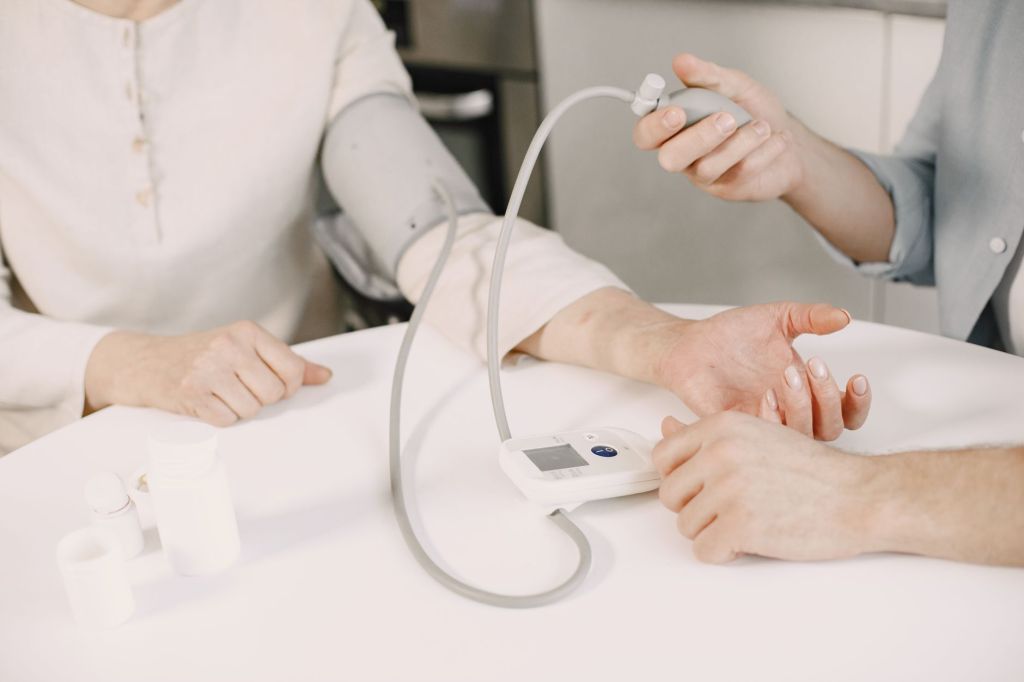
Regular blood-pressure monitoring can help you and your healthcare professional understand whether your lifestyle and treatment plan are working.
Don’t Confuse Traditional Use With Clinical Evidence
Herbal traditions contain valuable knowledge.
But responsible herbal wellness requires another step:
verification.
An herb may have been used traditionally for centuries without having sufficient clinical evidence for treating a specific modern medical condition.
Likewise, an herb may have powerful biological effects without being appropriate for a particular person.
Blue cohosh is a good example of why traditional knowledge and modern safety assessment should work together.
We can respect traditional herbal knowledge while still asking:
- What compounds are present?
- What does the research show?
- What are the risks?
- What medicines might interact with it?
- Who should avoid it?
- What is the appropriate dose?
- Is there a safer alternative?
That is responsible natural wellness.
The Body Is a Garden—But Every Plant Is Not Right for Every Garden
The Body Garden metaphor reminds us that wellness is about creating the right conditions for the body to function well.
But gardening also teaches another important lesson:
Not every plant belongs in every garden.
An herb that has a traditional purpose may be unsuitable for a particular person.
Your age, medications, pregnancy status, medical conditions, allergies, nutritional status and individual physiology all matter.
Therefore, “natural” should never become a synonym for “safe for everyone.”
When High Blood Pressure Requires Urgent Attention
Do not attempt to manage dangerously high blood pressure with herbs at home.
If your blood pressure is 180/120 mm Hg or higher, repeat the measurement after a few minutes. If it remains that high, seek immediate medical advice. If very high blood pressure occurs together with symptoms such as chest pain, severe shortness of breath, weakness or numbness, difficulty speaking, confusion, vision changes or other concerning symptoms, seek emergency care.
High blood pressure can damage the heart, brain, kidneys and blood vessels when inadequately controlled.
The Bottom Line
Blue cohosh is not an established natural treatment for high blood pressure.
There is insufficient evidence to recommend it for hypertension, and its potential cardiovascular effects make self-treatment particularly concerning for people with blood-pressure or heart problems.
If you are interested in natural approaches to blood-pressure wellness, focus first on the foundations:
Eat wisely.
Move regularly.
Sleep deeply.
Manage stress.
Monitor your blood pressure.
Work with qualified healthcare professionals.
Use herbs cautiously and knowledgeably.
The goal is not simply to find a plant that promises to change a number on a blood-pressure monitor.
The goal is to close the gap between your current state and a healthier state through informed, sustainable action.
Your body is not broken.
Your body is your garden. Cultivate it wisely.
Medical Safety Note
This article is for educational purposes and is not a diagnosis or substitute for medical care. Blue cohosh should not be used to replace prescribed hypertension treatment. If you have high blood pressure, heart disease, are pregnant or breastfeeding, or take prescription medicines, consult a qualified healthcare professional before using blue cohosh or other concentrated herbal preparations. Do not discontinue blood-pressure medication without professional guidance.
Published by Alfred Okoko
Founder & Lead Wellness Educator | Life Transformation & Wellness Empowerment
Founder, Healing Gap Framework™ and Body Garden Mastery
With decades of experience in conventional and alternative wellness education, Alfred Okoko teaches people to understand their bodies, improve lifestyle foundations and make informed wellness decisions.
#BlueCohosh #HighBloodPressure #Hypertension #HerbalSafety #NaturalWellness #HerbalMedicine #HeartHealth #BloodPressureManagement #BodyGardenMastery #HealingGapFramework #WellnessEducation