THE BODY GARDEN MASTERY|Wednesday Wellness Edition
Cultivate Wellness. Transform Your Life.
SPECIAL FEATURE: THE WELLNESS GAP – What Is Standing Between You and a Healthier, Happier You?
Dear Fellow Gardener,
Have you ever wondered why some people seem to enjoy better health, energy and vitality while others struggle with recurring health problems, constant fatigue, unexplained discomfort and declining physical performance?
The difference is not always about age, money or access to expensive supplements.
Sometimes, it is about how well we understand and care for the body we live in.
Think about your body as a garden.
A garden needs nourishing soil, clean water, sunlight, proper attention and regular maintenance. Neglect it, and weeds begin to grow. Care for it consistently, and it has a better opportunity to flourish.
Your body works in a similar way.
This Wednesday, let’s explore an important question:
Are you deliberately cultivating your wellness, or are you simply reacting to symptoms when they appear?
1. THE WELLNESS GAP: MEN AND WOMEN HAVE DIFFERENT NEEDS, BUT ONE COMMON GOAL
Men and women experience different health challenges throughout life.
For men, common wellness concerns may include:
Declining energy and physical vitality.
Erectile difficulties and sexual wellness concerns.
Prostate health and urinary difficulties.
Weight gain and increasing waist circumference.
High blood pressure and cardiovascular risks.
Poor sleep, stress and emotional exhaustion.
For women, common concerns may include:
Hormonal changes and menstrual discomfort.
Fibroids and reproductive health concerns.
Menopause-related changes.
Unwanted weight gain and metabolic challenges.
Bone and joint health.
Stress, fatigue and disrupted sleep.
Although these challenges differ, they share something important.
Both men and women need a lifestyle that supports their overall health.
Good nutrition, adequate hydration, physical activity, restorative sleep, emotional balance and appropriate healthcare are essential components of long-term wellness.
The question is not simply, “What supplement should I take?”
The better question is:
What is missing from my overall wellness system?
2. INTRODUCING THE HEALING GAP FRAMEWORK
At The Body Garden Mastery, we believe that meaningful wellness begins with understanding where you are and where you want to be.
This is the foundation of our Healing Gap Framework.
It helps you examine the distance between your current health situation and your desired state of wellness.
Our framework follows seven steps:
STEP 1: YOUR CURRENT STATE
Take an honest look at your health.
How is your energy? How well do you sleep? Are you physically active? Are you experiencing recurring symptoms?
Establish your starting point.
STEP 2: YOUR DESIRED STATE
Define what better health means to you.
Perhaps you want improved mobility, better sleep, healthy weight management, improved cardiovascular health or greater physical vitality.
Give your wellness vision direction.
STEP 3: IDENTIFY THE GAP
What separates your present condition from your desired outcome?
Is it poor nutrition, inactivity, unmanaged stress, inadequate sleep, an untreated medical condition or a combination of factors?
STEP 4: IDENTIFY THE BARRIERS
Recognise the habits, circumstances and beliefs that may be preventing progress.
Monitor your habits, symptoms, relevant health measurements and improvements.
STEP 7: CELEBRATE YOUR FREEDOM DAY
Recognise meaningful milestones as you move towards your wellness goals.
Remember:
You are the driver of your wellness journey. Knowledge provides direction, consistent action creates progress, and appropriate healthcare provides essential support.
3. THE EIGHT PILLARS OF BODY GARDEN MASTERY
Your body is not an isolated collection of organs. Its systems work together.
That is why we encourage you to cultivate wellness through eight interconnected pillars.
Nutrition: Nourish your body with balanced, diverse and minimally processed foods.
Hydration: Maintain adequate water intake to support normal body functions.
Movement: Keep your body active through walking, stretching, strength exercises and appropriate physical activity.
Sleep: Give your body sufficient time for rest and recovery.
Stress and Emotional Wellness: Develop healthy ways of managing everyday pressures.
Detoxification and Environment: Support your body’s natural elimination systems and reduce avoidable environmental exposures. Remember that your liver and kidneys already perform essential detoxification functions.
Digestion and Gut Health: Support digestive health through appropriate nutrition, fibre and healthy eating habits.
Purpose, Relationships and Spiritual Wellbeing: Cultivate meaningful connections, personal fulfilment and a positive outlook on life.
These eight pillars form the foundation of a more comprehensive approach to wellness.
You cannot neglect the garden and expect the flowers to flourish.
4. THE ROLE OF INDIGENOUS HERBS IN EVERYDAY WELLNESS
Nature has provided communities across generations with an extraordinary diversity of medicinal plants.
In Kenya, our indigenous herbal knowledge is an important part of our cultural heritage.
However, using herbs wisely requires knowledge.
Not every herb is appropriate for everyone. Some herbs can interact with prescription medicines, affect blood pressure or blood sugar, or be unsuitable during pregnancy and certain medical conditions.
At Body Garden Mastery, we advocate informed, responsible herbal wellness.
Our herbal products are part of our broader commitment to making natural wellness knowledge and products accessible.
We encourage you to:
Understand what you are taking and why.
Use herbal products responsibly.
Follow appropriate product instructions.
Discuss herbal use with your healthcare professional, particularly if you take medication.
Never abandon prescribed treatment in favour of herbal remedies.
Nature offers valuable resources. Knowledge helps us use them wisely.
DISCOVER OUR HERBAL WELLNESS PRODUCTS
Looking for natural herbal wellness products?
We invite you to explore our available herbal selections.
For product information, availability, guidance and orders, contact us directly on WhatsApp:
WHATSAPP: +254 726 530 868
Send us the message:
HERBAL WELLNESS
Our team will assist you with available products and ordering information.
5. KNOWLEDGE IS AN INVESTMENT IN YOUR HEALTH
One of the biggest mistakes people make is waiting until a health problem becomes overwhelming before investing in health education.
You do not need to know everything about the human body.
But you need reliable information to make better everyday decisions.
That is why we are developing practical digital information guides covering important health and wellness subjects.
Our guides are designed to help you understand common health concerns, explore lifestyle approaches and make more informed decisions.
Explore our educational resources covering:
Arthritis and joint wellness.
High blood pressure and cardiovascular health.
Digestive wellness and peptic ulcers.
Men’s sexual wellness.
Women’s reproductive health and fibroids.
Nutrition and healthy weight management.
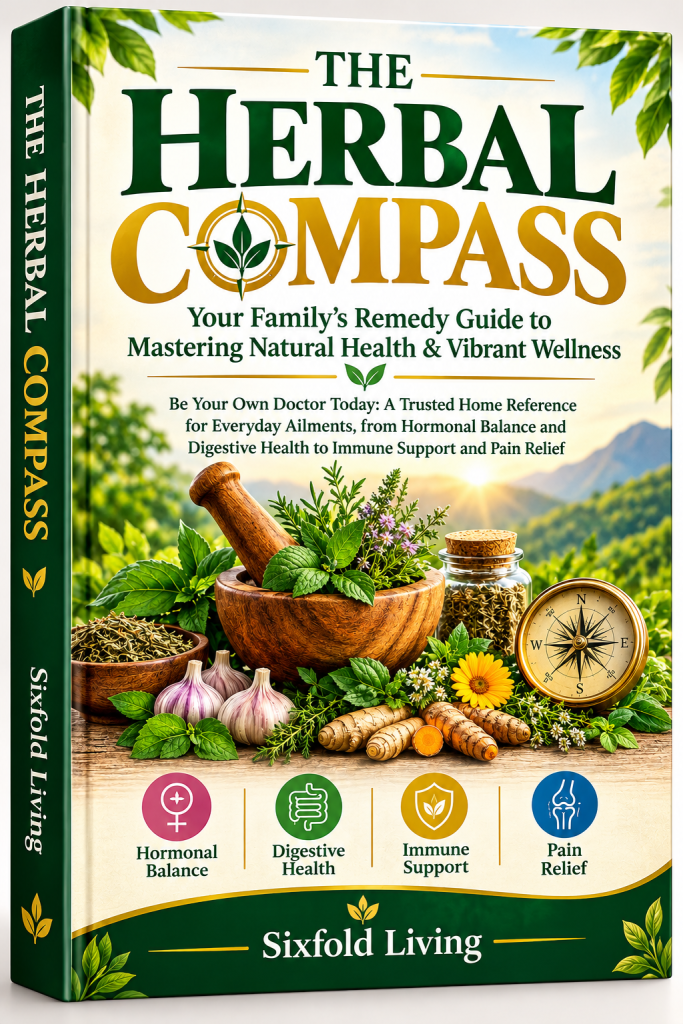
Herbal wellness and traditional medicinal plants.
Holistic living and the eight pillars of wellness.
These resources complement, rather than replace, professional medical assessment and treatment.
Your health deserves more than guesswork. Invest in knowledge.
To enquire about our digital wellness guides, contact us through WhatsApp:
+254 726 530 868
Send: WELLNESS GUIDES
6. YOUR WEDNESDAY WELLNESS CHALLENGE
Let’s make this Wednesday a turning point.
Here is a simple seven-day Body Garden challenge.
For the next seven days:
DAY 1: Examine your current eating habits.
DAY 2: Improve your daily hydration.
DAY 3: Introduce 20–30 minutes of appropriate physical activity.
DAY 4: Establish a healthier sleeping routine.
DAY 5: Identify and address one major source of everyday stress.
DAY 6: Review your health habits and any recurring symptoms.
DAY 7: Write down three wellness improvements you want to pursue over the next 30 days.
If you have an existing medical condition, adapt activities to your needs and seek professional guidance where appropriate.
Small, consistent actions can contribute to meaningful long-term improvements.
7. A FINAL THOUGHT: STOP NEGLECTING YOUR BODY GARDEN
Dear Fellow Gardener,
Your body is the only place you have to live throughout your lifetime.
Do not wait for a health crisis before you begin paying attention to it.
Do not measure wellness by the number of supplements on your shelf.
Do not confuse expensive products with effective health decisions.
Instead, cultivate your body through knowledge, balanced nutrition, appropriate movement, restorative sleep, emotional wellbeing and responsible healthcare.
Remember our guiding philosophy:
Symptoms are messages, not enemies.
Listen to your body. Understand what it needs. Identify your wellness gap. Take appropriate action.
Your journey towards better health begins with the decisions you make today.
YOUR BODY. YOUR GARDEN. YOUR RESPONSIBILITY.
CONNECT WITH BODY GARDEN MASTERY
At The Body Garden Mastery, our mission is to empower individuals and families with practical knowledge, natural wellness education and the Healing Gap Framework™.
We believe everyone deserves access to information that helps them make better health and lifestyle decisions.
Explore our offerings:
🌿 Herbal Wellness Products 📚 Digital Health & Wellness Guides 🌱 Healing Gap Framework 💚 Holistic Living Education 🌿 Indigenous Herbal Knowledge
For herbal product enquiries and orders:
📱 WhatsApp: +254 726 530 868
For digital guides and educational resources, contact us through the same number.
THE BODY GARDEN MASTERY
Cultivate Wellness. Close Your Healing Gap. Transform Your Life.
DISCLAIMER: This newsletter is intended for educational purposes and does not replace professional medical advice, diagnosis or treatment. Herbal products are not substitutes for prescribed medicines. Seek qualified healthcare advice for persistent symptoms, new health concerns or before combining herbal products with medication.
There’s a reason you trust the imported capsule more than the leaf in your garden. Understanding this bias could change how you see everything.
Introduction
There’s a quiet principle running through human psychology that explains some of our strangest decisions: we tend to value what is scarce and distant over what is abundant and near.
It has a name in some circles — the scarcity heuristic — and once you see it, you can’t unsee it.
· The visitor admires the mountain the resident has stopped noticing.
· The collector pays a fortune for a stone from a far country while walking past a more beautiful one in the local river.
· The shopper trusts the capsule from abroad over the leaf from the garden — because the capsule travelled, and the leaf did not.
The Flawed Logic That Feels Like Truth
The reasoning, if you can call it reasoning, runs like this:
If something had to be brought from far away, someone must have decided it was worth bringing. If someone decided it was worth bringing, it must be valuable. And if it is valuable, it must work.
Distance becomes a proxy for potency. Effort becomes evidence of efficacy. The scarcer the source, the stronger the faith.
It’s a compelling chain of assumptions — and it’s wrong more often than we’d like to admit.
The Price of Proximity
Here’s the uncomfortable flip side: the abundant and the near are devalued precisely because they are abundant and near.
· The moringa tree grows so easily by the gate that it cannot possibly be potent medicine.
· The managu grows so freely that it must be “poor man’s food.”
· The neem shades the compound so effortlessly that it becomes a nuisance rather than a remedy.
This isn’t simple foolishness — it’s a shortcut. Our minds evolved to conserve effort, and “far away and hard to get” is a quick signal that something might matter. The problem is that the shortcut ignores context, evidence, and the quiet value of what’s already within reach.
Three Questions to Break the Spell
Before you discount what’s close to home — a remedy, a resource, a person, an idea — ask:
Would I value this more if it came from somewhere else? If yes, that’s the bias talking, not the evidence.
Am I confusing effort with effectiveness? Distance traveled is not proof of quality.
What am I overlooking simply because it’s familiar? The mountain is still a mountain, even to the resident.
The takeaway: Value what works — not what travelled. The most potent things in your life may already be growing by your gate.
If this resonated, share it with someone who’s been overlooking their own garden.
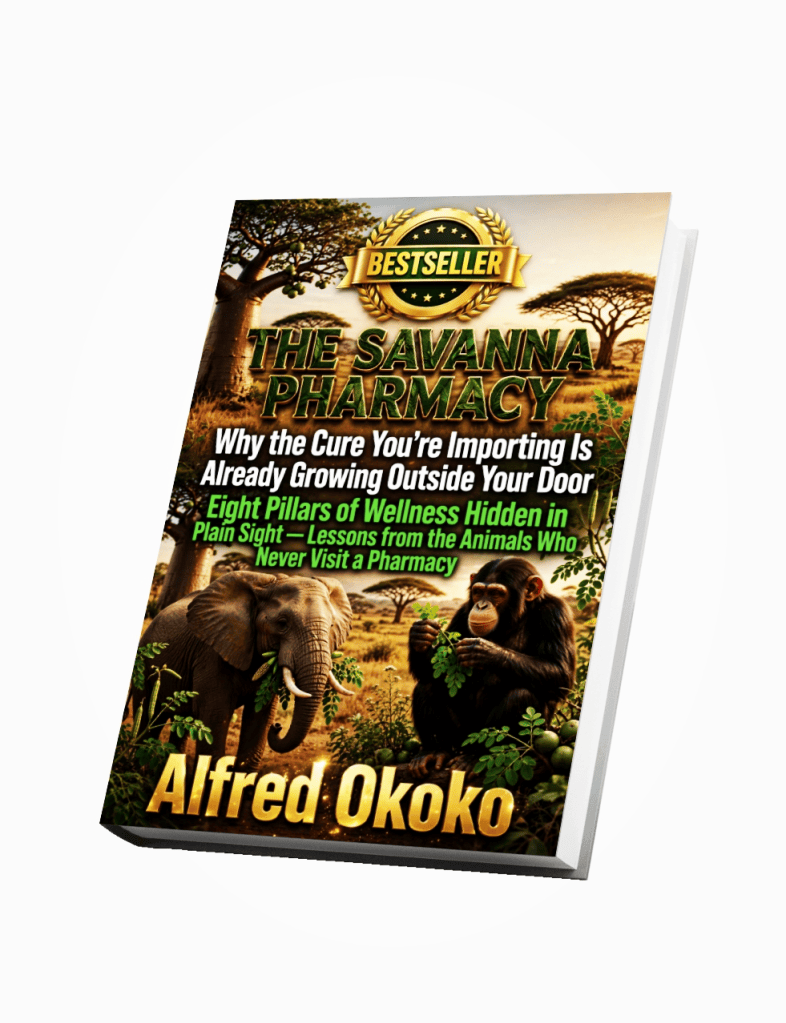
Our Featured Guide Today
The Core Promise of This Book
By the final page, you will see your own environment — your shamba, your fence line, your market, your morning walk — as a complete, free, and scientifically credible wellness system, and you will have a practical, culturally grounded plan to stop paying for health you already own.
1. Stop Buying What YouAlready Have
You will understand, clearly and without shame, why you were convinced that imported equals better — and you will replace that conviction with a working knowledge of the remedies, foods, rhythms, and practices already present in your Kenyan environment, most of them free or nearly free.
2. Recover the Eight Pillars
You will learn to identify and activate all eight pillars of wellness — nourishment, movement, rest, water, herbal wisdom, community, mind and spirit, and purpose — as they exist specifically in the Kenyan landscape, not as abstract imports from foreign wellness culture.
3. Learn from the Animals
You will see the animals of the savanna — the impala, the giraffe, the elephant, the herd — as your teachers and your evidence: living proof that this environment sustains health without pharmacies, supplements, or lifestyle disease, when its own provisions are used.
4. Save Money and Redirect It
You will cut the household spend bleeding into imported supplements and reinvest it — in school fees, in savings, in your home garden — while improving, not sacrificing, your family’s wellness. 5. Act This Week, Not Someday
You will close the book with a concrete seven-day reset, a home pharmacy garden plan, a safety-first guide to herbal use, and a simple way to teach the next generation — so the knowledge becomes practice, and the practice becomes inheritance.
The One-Sentence Promise
This book will convince you that nature already filled your prescription — and then hand you the map to go and collect it.
What This Book Does Not Promise
It does not promise that every plant cures every ailment, or replace qualified medical care for serious conditions.· It does not romanticise poverty or pretend that all traditional knowledge is automatically safe — it insists on informed, responsible use.· It does not ask you to reject modern medicine — it asks you to stop neglecting the medicine that was placed here first. The promise is not a new discovery. It is a homecoming.
To obtain your FREE chapter one Pdf download ,comment the word SAVANNA via WhatsApp number 0726530868
The Imported Illusion: Are We Overlooking the Treasures Growing in Our Own Backyards?
By Alfred Okoko | Founder, Home Remedy Hub
Have you ever wondered why something growing freely in your garden can be treated as worthless while a product packaged in an expensive bottle is considered a symbol of good health?
Consider Mama Njeri.
In her kitchen, she keeps two shelves.
On the upper shelf, behind a small padlock, sit the imported bottles: a multivitamin shipped from the United States, collagen powder from Britain, a detox blend from Australia, and fish oil from Norway.
She may not know precisely what each product does, but she knows they are expensive. And somewhere along the way, she has come to believe that expensive means better.
On the lower shelf, unguarded and often overlooked, sits a bunch of fresh managu from the local market. Outside, behind her kitchen, grow indigenous plants that her grandmother once knew how to identify and use.
The irony?
Mama Njeri may be spending thousands of shillings searching for wellness while overlooking some of the nutritious foods and valuable traditional knowledge available within her own community.
Her story reflects a question worth asking:
Have we become so impressed by the packaging of wellness that we have forgotten the value of what nature provides around us?
1. When the Label Becomes More Important Than the Land
For generations, African communities developed deep relationships with their natural environments.
People learned which local vegetables provided nourishment, which plants were traditionally used for particular purposes, how seasonal foods supported household diets, and how to preserve knowledge for future generations.
This knowledge was not perfect, and not every traditional practice was safe or effective. Nevertheless, it represented generations of observation, experience, and adaptation to local conditions.
Today, many people face a different reality.
They see a beautifully packaged supplement advertised online and assume it must be superior to a traditional food.
They may choose an imported breakfast cereal over locally available whole grains without comparing the ingredients, nutritional value, or price.
They may purchase expensive wellness products while neglecting affordable vegetables, beans, fruits, and other foods that could help them build a balanced diet.
The problem is not that imported products are inherently bad. Some are useful, well researched, and appropriate for particular needs.
The problem arises when we confuse the appearance of quality with evidence of quality.
A product’s origin does not automatically determine its value. Neither does its price, packaging, or popularity.
What matters is what it contains, what evidence supports its use, whether it is safe, and whether it meets our actual needs.
At Home Remedy Hub, we believe that informed choices are more valuable than impressive labels.
2. What the Animals Understand About the Land
Watch animals in their natural environments.
Their lives are closely connected to the land, water, vegetation, and seasonal conditions around them.
They do not evaluate plants according to foreign labels or attractive packaging. Their behaviour reflects instinct, learned patterns, and environmental conditions.
However, we should not romanticise animal behaviour. Animals can consume harmful plants, and their feeding choices do not prove that a plant is medicinal or safe for humans.
The important lesson is not that animals possess a perfect natural pharmacy.
It is that living systems depend on their environments, and understanding those environments matters.
Human beings have the additional advantage of reason, research, and accumulated knowledge.
We can study the foods that grow in our regions. We can investigate the traditional uses of indigenous plants. We can distinguish between a promising traditional practice and one supported by reliable scientific evidence.
We can also preserve valuable knowledge while rejecting unsafe practices.
Why, then, should we ignore the opportunities around us?
In Kenya, our local food environments offer a wide variety of possibilities: managu, terere, kunde leaves, traditional grains, legumes, fruits, and many other locally available foods.
Their nutritional value varies, but many can contribute to a balanced diet.
Our indigenous medicinal plants also deserve careful study, responsible cultivation, accurate identification, and scientific investigation.
The goal is not to reject everything foreign.
It is to stop assuming that what comes from elsewhere must be superior to what grows at home.
3. The Hidden Cost of Forgetting Our Indigenous Wisdom
When we overlook our indigenous resources, we may lose more than money.
We risk losing knowledge.
An older person may recognise a medicinal plant that a younger generation cannot name.
A family may possess valuable knowledge about traditional food preparation but fail to pass it on.
A community may abandon indigenous crops without understanding their nutritional, cultural, or agricultural significance.
A medicinal plant may disappear from local landscapes before its traditional uses have been properly documented.
At the same time, misinformation can spread when traditional knowledge is repeated without verification.
This is why we need a balanced approach.
We should preserve indigenous knowledge, investigate its claims, document its limitations, and make it accessible to future generations.
We should also protect the communities that hold this knowledge and recognise their contributions.
Traditional knowledge should not become an excuse for unsupported health claims. Nor should the absence of a pharmaceutical label cause us to dismiss every traditional practice.
The future of natural wellness lies in combining cultural wisdom, scientific evidence, responsible practice, and informed choice.
That is one of the principles behind Home Remedy Hub.
4. Your Body Is Not a Shopping Basket. It Is a Living Garden.
Imagine your body as a garden.
A garden does not thrive simply because its owner purchases expensive gardening products.
It needs suitable soil, water, sunlight, appropriate nutrients, regular care, and protection from damaging conditions.
Your body is also influenced by many interacting factors.
The food you eat matters. So does hydration, movement, sleep, stress management, digestion, your environment, and the quality of your social connections.
No single food, herb, supplement, or remedy can replace the foundation created by these daily habits.
You can spend money on supplements while sleeping poorly.
You can buy expensive wellness products while eating a diet that lacks variety.
You can search endlessly for a miracle remedy while ignoring symptoms that deserve medical attention.
The missing ingredient may not be another purchase.
It may be a better understanding of how your everyday choices work together.
This is where the Healing Gap Framework™ becomes useful.
Rather than chasing one remedy after another, it helps you examine your current situation, define your desired outcome, identify obstacles, and develop practical steps towards meaningful progress.
It shifts the question from:
Which product should I buy next?
To:
What needs to change in my life, and what is the safest, most practical way to begin?
That is a more empowering starting point.
5. Introducing the Healing Gap Framework
Close the Gap Between Where You Are and Where You Want to Be
The Healing Gap Framework is a practical approach to understanding your wellness challenges and organising the steps you can take towards your goals.
It begins with a simple truth:
You cannot develop a useful plan until you understand where you are starting from.
The framework guides you through seven stages:
1. Current State
Take an honest look at your present situation.
What symptoms or challenges are you experiencing? What are your daily habits? What have you tried? What concerns require professional assessment?
2. Desired State
Define the improvement you want to work towards.
Perhaps you want to move more comfortably, improve your sleep, develop healthier eating habits, or become more consistent with your blood pressure management plan.
Make your goal specific and realistic.
3. Identify the Gap
Compare your current situation with your desired outcome.
What is preventing progress? Is it a lack of information, an inconsistent routine, limited access to appropriate care, or difficulty maintaining healthy habits?
4. Discover the Barriers
Look beyond the obvious.
Your barriers may include financial limitations, time constraints, emotional stress, misinformation, environmental challenges, or difficulty following a care plan.
5. Create Action Steps
Choose practical actions that address your actual barriers.
These might include improving meal planning, increasing suitable physical activity, establishing a regular sleep routine, seeking professional advice, or learning how to use traditional wellness products safely.
6. Monitor Progress
Observe what changes over time.
Keep useful records, review your habits, discuss persistent symptoms with qualified healthcare professionals, and adjust your plan when necessary.
7. Work Towards Your Freedom Day
Freedom Day represents a meaningful milestone: reaching a clearly defined goal or making measurable progress towards it.
For someone, this might mean establishing a sustainable walking routine. For another, it could mean sleeping more consistently or gaining confidence in managing a long-term health condition.
It does not mean that every disease can be cured or that prescribed treatment should be discontinued.
The purpose is to replace confusion with clarity and passive hope with informed, consistent action.
The Eight Pillars of Body Garden Mastery
The Healing Gap Framework can also help you review eight interconnected areas of daily living:
Nutrition: Building a balanced diet around a variety of accessible foods.
Hydration: Maintaining appropriate fluid intake.
Movement: Finding safe, suitable ways to remain physically active.
Sleep: Creating routines that support adequate rest.
Stress and Emotional Wellness: Developing healthier ways to manage everyday pressures.
Detoxification and Environment: Supporting normal bodily functions and reducing avoidable environmental exposures without relying on unproven detox claims.
Digestion and the Microbiome: Supporting digestive health through appropriate nutrition and medical care when needed.
Purpose, Relationships and Spiritual Wellbeing: Nurturing connection, meaning, and emotional support.
These pillars are not a replacement for medical treatment. They are a way to examine the broader lifestyle factors that can influence wellbeing.
Your body is a garden. Your daily choices are part of its cultivation.
The Healing Gap Framework helps you become a more informed and active participant in that process.
6. From Our Soil to Your Home: Discover Our Indigenous Herbal Products
At Home Remedy Hub, we believe indigenous plants deserve a place in responsible conversations about wellness.
For generations, Kenyan communities have developed knowledge of local medicinal plants. Some traditional uses are being investigated scientifically, while others still require stronger evidence.
Our interest is in helping people approach this heritage with respect, knowledge, and appropriate safety precautions.
We offer indigenous herbal products for customers interested in exploring traditional plant-based wellness.
Our approach emphasises three important principles:
Knowledge before use.
Understand what a product contains, its intended traditional use, and the limitations of the available evidence.
Safety before claims.
Natural does not automatically mean safe. Herbs may cause adverse effects, interact with medicines, or be unsuitable during pregnancy, breastfeeding, or particular medical conditions.
Responsible wellness before miracle promises.
We do not believe that an herbal product should be promoted as a guaranteed cure for every condition.
Our aim is to help customers make informed decisions about products that may fit within their broader wellness routines.
Why Explore Indigenous Herbal Products?
Discover products rooted in our interest in Kenya’s plant heritage.
Learn more about traditional plant-based wellness.
Explore alternatives that may complement appropriate lifestyle practices.
Develop a more informed understanding of herbal product safety.
Support interest in local knowledge and responsible use of natural resources.
Before using any herbal product, especially if you take prescription medicines or manage a chronic condition, consult a qualified healthcare professional who can assess possible interactions and risks.
Do not stop prescribed medicines or delay medical care because of an herbal product.
Interested in Our Herbal Products?
We invite you to contact Home Remedy Hub to learn about our available indigenous herbal products, their ingredients, intended uses, and ordering arrangements.
Your next step: Ask us about our current herbal product catalogue.
WhatsApp: 0726 530 868
Home Remedy Hub — Nature, Knowledge, Better Living.
7. Knowledge Is Also Medicine for Confusion: Explore Our Digital Wellness Guides
One of the most expensive mistakes in wellness is making decisions without adequate information.
A person may spend money on products without understanding their ingredients.
Someone else may try several home remedies for a persistent symptom without knowing when professional assessment is necessary.
Another person may want to improve their diet but feel overwhelmed by conflicting advice from social media.
The answer is not necessarily to buy more products.
Sometimes, the best first investment is learning.
That is why Home Remedy Hub is developing and sharing digital information products designed to make practical wellness knowledge easier to understand and apply.
Our guides aim to help readers ask better questions, understand their options, and make more informed decisions.
Explore Our Digital Information Products
Depending on your interests and our current catalogue, you can look for guides covering topics such as:
Arthritis and Joint Wellness
Learn about practical lifestyle approaches, suitable movement, supportive nutrition, pain-management options, and the importance of appropriate medical care.
Healthy Blood Pressure Habits
Explore dietary patterns, physical activity, home monitoring, medication adherence, and other measures that can support blood pressure management.
Digestive Wellness
Understand common digestive complaints, food choices, the causes of peptic ulcers, and why conditions such as H. pylori infection require appropriate diagnosis and treatment.
Women’s Wellness
Learn about topics such as uterine fibroids, common symptoms, medical treatment options, and questions to discuss with a healthcare professional.
Natural Home Remedies
Discover how to evaluate commonly used home remedies, understand their limitations, and recognise situations that require professional attention.
Body Garden Mastery and the Healing Gap Framework
Learn how nutrition, movement, sleep, stress management, and other lifestyle factors fit into a practical, whole-person approach to wellness.
Why Choose a Digital Guide?
A good guide allows you to learn at your own pace.
You can revisit important information, identify questions to discuss with your healthcare provider, and use checklists or worksheets to organise your next steps.
Rather than collecting information without acting on it, you can turn what you learn into a practical routine.
Remember: Information becomes valuable when you understand it, evaluate it, and apply it wisely.
Get Your Wellness Guide
Contact Home Remedy Hub to discover the digital guides currently available.
WhatsApp: 0726 530 868
Tell us which area interests you most, and we will help you identify a relevant guide from our catalogue.
Knowledge is an investment you can carry with you.
8. The Home Remedy Hub Challenge: Rediscover One Treasure This Week
This week, I invite you to conduct a simple experiment.
Not an experiment involving an untested medicine or a dramatic change to your treatment.
Instead, make it an experiment in awareness.
Day 1: Look at Your Plate
Examine the foods you eat regularly.
Are you including vegetables, fruits, legumes, and other nutritious foods that are accessible and affordable in your area?
Could a traditional vegetable such as managu, terere, or kunde leaves become part of a balanced meal?
Day 2: Investigate Your Purchases
Look at the wellness products you buy.
Do you understand their ingredients? Do you know why you use them? Is there reliable evidence supporting their intended benefits?
Are you spending money on products that do not address your actual needs?
Day 3: Ask an Elder
If possible, speak to an older family member about traditional foods and plants used in your community.
Ask what they remember, how the knowledge was passed down, and what precautions accompanied traditional practices.
Record the information respectfully, while remembering that traditional claims may need verification before being applied to health decisions.
Day 4: Research Before You Use
Choose one traditional food or medicinal plant and investigate it carefully.
Learn to distinguish between nutritional information, documented traditional use, laboratory research, clinical evidence, and unsupported claims.
Never identify a plant for medicinal use based solely on a photograph or guesswork.
Day 5: Review Your Eight Pillars
Consider your nutrition, hydration, movement, sleep, stress, environment, digestion, and relationships or sense of purpose.
Which area could benefit from one realistic improvement?
Day 6: Take One Practical Action
Prepare a balanced meal, take an appropriate walk, establish a regular bedtime, or arrange a medical appointment for a concern you have been postponing.
Choose an action that fits your circumstances.
Day 7: Review Your Progress
What did you learn?
What was easy? What was difficult? What would you like to continue?
Write down your observations and decide on your next step.
You do not need to transform your entire life in one week.
You need to begin with awareness and follow it with consistent, informed action.
9. A Final Word from Alfred Okoko
Over the years, I have become increasingly interested in the relationship between knowledge, lifestyle, nature, and human wellbeing.
I have seen how easily people can become overwhelmed by competing health claims, expensive products, and the promise of quick solutions.
I believe we need a better approach.
We need to respect the value of modern medicine while remaining curious about our traditional knowledge.
We need to appreciate indigenous foods and plants without assuming that every traditional remedy is effective or safe.
We need to learn how our daily habits influence wellbeing without blaming ourselves when illness occurs.
Above all, we need to recognise that responsible wellness begins with understanding.
This is the thinking behind Home Remedy Hub and the Healing Gap Framework.
I want to encourage a culture in which people ask questions, investigate claims, understand their options, and take practical steps towards their wellness goals.
The goal is not to reject the world beyond our borders.
It is to stop overlooking the valuable knowledge and resources within our own communities.
The next time you see an expensive wellness product on a shelf, pause before reaching for your wallet.
Ask yourself:
What do I need? What evidence supports this product? Is it safe for me? Are there affordable, nutritious foods or practical lifestyle changes that could address part of my goal?
Sometimes the answer will involve a product. Sometimes it will involve professional medical care. Sometimes it will involve changing an everyday habit.
And sometimes, it may begin with rediscovering something you had overlooked.
Nature offers possibilities. Knowledge helps us evaluate them. Consistent action turns informed choices into habits.
Let us learn to value all three.
Warm regards,
Alfred Okoko Founder, Home Remedy Hub Founder, Healing Gap Framework Nature, Knowledge, Better Living
YOUR NEXT STEP
Are you ready to make more informed wellness choices?
Choose the option that best suits your needs:
1. EXPLORE HERBAL PRODUCTS Ask about our indigenous herbal products and available options.
2. GET A DIGITAL GUIDE Discover practical wellness guides covering arthritis, blood pressure, digestive health, women’s wellness, home remedies, and lifestyle improvement.
3. LEARN THE HEALING GAP FRAMEWORK Start identifying your current situation, defining your goals, recognising barriers, and developing practical steps towards meaningful progress.
Contact Home Remedy Hub on WhatsApp: 0726 530 868
Tell us what you would like to learn about, and we will guide you towards the relevant available products or resources.
Home Remedy Hub — Nature, Knowledge, Better Living.
Important health notice: This newsletter is for educational purposes and is not a substitute for professional medical advice, diagnosis, or treatment. Traditional remedies and herbal products can have risks and may interact with medicines. Seek qualified medical advice for persistent or serious symptoms, and do not discontinue prescribed treatment without consulting your healthcare professional.
The Oldest Clinical Trial: What Nature Can Teach Us About Human Health
Theme: Your Body Was Designed for Life—Are Your Daily Habits Supporting It?
Dear Friend,
We often think of health as a human problem—something we must continually fight to restore through medicines, treatments, and medical discoveries.
But there is another way to look at it.
Long before hospitals existed, before pharmacies opened their doors, and before humans developed modern medicine, life was already learning how to survive, adapt, repair, and thrive.
For approximately 3.5 billion years, life on Earth has evolved through an extraordinary process of biological adaptation.
Every living organism carries lessons about the relationship between its nature and its environment.
You could think of this as the oldest experiment in survival and adaptation.
It is not a clinical trial in the modern scientific sense. Nevertheless, the history of life offers us an important lesson: living organisms depend on conditions that support their biological needs.
And human beings are no exception.
What Can We Learn from the Wild?
Consider animals living in their natural habitats.
They move regularly as they search for food, water, shelter, and safety. Their eating patterns are shaped by the foods available to them. Their daily activities respond to environmental conditions, and their survival depends on adaptation.
Their lives are not necessarily easy. Wild animals face injuries, parasites, infections, malnutrition, predation, and other threats. They can also develop conditions resembling some human chronic diseases.
Yet observing animals can still help us ask an important question:
Are our modern lifestyles supporting the biological needs of our bodies—or working against them?
Many people spend long hours sitting, eat more highly processed foods than their bodies need, sleep too little, experience persistent stress, and have limited opportunities for physical activity.
Over time, some of these patterns can contribute to obesity, type 2 diabetes, cardiovascular disease, and other chronic health problems.
These conditions are not simply the result of human beings being disconnected from nature. Genetics, ageing, infections, socioeconomic circumstances, environmental exposures, and many other factors also matter.
But our daily habits are among the factors we can often begin to change.
And that gives us an opportunity.
What the Wild Does Differently
1. Movement Is Part of Everyday Life
Many wild animals move because their survival depends on it.
They walk, run, climb, swim, forage, and explore. Movement is woven into their daily routines rather than confined to a short period of exercise.
Modern humans, by contrast, can spend much of the day sitting—at work, in vehicles, or in front of screens.
Your action step: Find ways to move throughout the day. Walk when practical, stretch after prolonged sitting, do household activities, or choose exercises suited to your ability.
If you have arthritis, heart disease, or another medical condition, ask a qualified health professional which activities are appropriate for you.
The goal is not to imitate a wild animal. It is to give your own body the movement it needs.
2. Food Is More Than Something That Fills the Stomach
In nature, animals obtain nutrients from foods suited to their species and ecological environment.
Human nutrition is more complex. We are adaptable omnivores, and healthy diets can look different across cultures, regions, and individual circumstances.
However, one principle remains useful: the quality and balance of our diet matter.
A diet dominated by highly processed foods, excess salt, sugary drinks, and energy-dense snacks can make it harder to maintain good health.
A balanced eating pattern built around vegetables, fruits, beans, peas, whole grains, appropriate protein sources, and healthy fats can help support overall wellbeing.
You do not need expensive imported products to begin eating better.
Locally available foods can form the foundation of a nutritious diet.
Your action step: At your next meal, ask yourself: Does this meal provide nourishment, variety, and balance?
Start with one improvement. Add a serving of vegetables, replace a sugary drink with water when appropriate, or include beans or another suitable protein source.
Small changes, repeated consistently, can become powerful habits.
3. Rest and Recovery Matter
Living organisms require periods of rest and recovery.
Humans do too.
Sleep supports memory, immune function, emotional regulation, and metabolic health. Persistent sleep deprivation can affect concentration, mood, appetite, and overall wellbeing.
Yet many people sacrifice sleep to work longer, worry about tomorrow, or remain connected to screens late into the night.
Your action step: Create a regular bedtime routine. Reduce stimulating activities before bed, keep your sleeping environment comfortable, and aim for sufficient sleep—generally seven to nine hours for most adults.
If you regularly struggle to sleep or experience symptoms such as loud snoring and excessive daytime sleepiness, consider seeking medical advice.
Rest is not laziness. It is one of the foundations of a healthy life.
4. Your Environment Influences Your Health
No organism exists independently of its environment.
Air, water, food, temperature, shelter, and exposure to harmful substances all influence survival and health.
For humans, environmental conditions can affect our risk of respiratory disease, infections, cardiovascular problems, and other illnesses.
Clean water, safe food, adequate sanitation, cleaner air, and safe places to exercise are not luxuries. They are important public-health foundations.
Your action step: Identify one environmental factor you can improve.
You might make drinking water safer, improve kitchen hygiene, reduce exposure to smoke, ventilate your living space where possible, or create a small area for walking or stretching.
Some environmental challenges require community and government action. Do what you reasonably can while recognising that health is shaped by both individual choices and the conditions in which people live.
5. Stress Is a Biological Experience
Animals respond to threats through biological stress systems that help them survive.
Humans have similar systems.
Short-term stress can help us respond to challenges. However, persistent stress can interfere with sleep, influence behaviour, worsen some symptoms, and contribute to long-term health risks.
Financial pressure, family responsibilities, difficult working conditions, loneliness, and uncertainty can all place demands on the body and mind.
Telling people simply to stop worrying ignores the reality of their circumstances.
Instead, we can develop practical ways to manage stress while addressing its underlying causes where possible.
Your action step: Take a few minutes today to breathe slowly, walk outdoors if it is safe, speak with someone you trust, pray or reflect if that is meaningful to you, or write down the concern that is occupying your mind.
If stress becomes overwhelming or persistent, professional support may help.
Your emotional wellbeing deserves the same attention as your physical health.
6. Human Connection Is Part of Wellbeing
Many animals depend on social groups for protection, cooperation, and survival. Humans also have a fundamental need for connection.
Supportive relationships can help people cope with difficulties, feel a sense of belonging, and maintain healthier habits.
By contrast, prolonged social isolation can affect emotional wellbeing and is associated with several adverse health outcomes.
Your action step: Reach out to someone today.
Call a friend, spend time with a family member, join a supportive community, or ask someone how they are doing—and listen to the answer.
You do not need a large social circle. Meaningful, supportive relationships can make a difference.
The Important Lesson: Nature Is a Teacher, Not a Substitute for Science
We should not romanticise the wild.
Wild animals can become ill, suffer injuries, develop tumours, experience nutritional deficiencies, and die from infections or environmental hazards. Their lives are shaped by challenges that humans have developed medicine and public-health systems to address.
Nor should we assume that every modern disease results from living unnaturally.
Human health is influenced by a combination of biology, behaviour, environment, social conditions, and healthcare.
Modern medicine has also made extraordinary contributions to human survival through vaccination, antibiotics, surgery, emergency care, and the treatment of chronic diseases.
The lesson is not that we should abandon medicine and return to the wild. The lesson is that healthcare and healthy living can work together.
We can use scientific medicine when it is needed while building daily habits that support our bodies.
We can appreciate nature without assuming that every natural product is safe or that every traditional remedy is effective.
And we can take responsibility for the choices within our control without blaming ourselves for illnesses that may have many causes.
That is a balanced approach to natural wellness.
The Healing Gap Framework: Bringing Your Life Closer to Your Health Goals
At Wordplant Living System, we use the Healing Gap Framework to help people turn health awareness into practical action.
The framework begins with an honest assessment of where you are today and where you would like to be.
Step 1: Establish Your Current State
Look at your present habits.
How well are you sleeping? How often do you move? What foods make up your usual diet? How do you manage stress? Are you keeping up with recommended health checks and prescribed treatments?
Where possible, use meaningful measures such as blood pressure readings, blood glucose tests when indicated, waist measurements, activity levels, and sleep patterns.
Your starting point is information—not a reason to judge yourself.
Step 2: Define Your Desired State
Choose a realistic health goal.
It might be to walk more comfortably, improve your sleep routine, develop balanced eating habits, manage stress more effectively, or work with your healthcare professional to improve blood pressure control.
Make your goal specific enough to guide your actions.
Step 3: Identify the Gap
What is standing between your current situation and your desired outcome?
Perhaps you lack time to prepare meals. Maybe you sit for most of the day, struggle with a regular bedtime, or have difficulty managing stress.
Some barriers may involve finances, disability, caregiving responsibilities, or limited access to healthcare.
Understanding these barriers helps you choose practical solutions rather than relying on motivation alone.
Step 4: Choose Your Action Steps
Start small.
Choose one or two changes you can realistically maintain. Build your routine around your circumstances, available resources, and professional healthcare advice.
Avoid trying to change everything overnight.
Step 5: Track Your Progress
Notice what is working.
Are you walking more regularly? Sleeping more consistently? Eating a wider variety of nutritious foods? Remembering your prescribed medicines? Following through with medical appointments?
Progress may be gradual, and it may not always be reflected in how you feel each day.
Use appropriate measurements and professional guidance when managing a medical condition.
Step 6: Celebrate Your Freedom Day
Your Freedom Day is a milestone that recognises meaningful progress toward a goal.
It does not have to mean that a disease has disappeared. It might represent the day you establish a consistent walking routine, reach a personally meaningful mobility goal, or gain greater confidence in managing your health.
The purpose is to recognise progress while continuing to care for your body.
Remember:
You are the driver. Your habits are the daily actions. Your plan is the direction. Progress is the evidence that your actions are moving you toward your goal.
Your Body Is a Garden
Imagine your body as a garden.
The soil represents the conditions that support growth. Your daily habits are the seeds you plant. Your lifestyle is the cultivation. Your health outcomes are part of the harvest.
You cannot control every condition affecting the garden. Weather, pests, soil quality, and other external factors matter.
Likewise, you cannot control every factor that affects your health.
But you can learn to nourish your body, build supportive routines, seek appropriate care, and make informed decisions.
You can give your body better conditions in which to function.
And you can ask for help when the challenges exceed what you can manage alone.
This is the spirit of Body Garden Mastery: understanding the relationship between daily living and wellbeing, without pretending that lifestyle alone can prevent or cure every disease.
Your Challenge for Today
Before the day ends, take five minutes to reflect on these questions:
Which of my daily habits currently supports my health?
Which habit may be making it harder to reach my health goals?
What is one small change I can begin today?
What support, information, or professional guidance might help me sustain that change?
Write down your answers.
Then choose one practical action and begin.
You do not need to transform your entire life in one day. You need a direction, a realistic plan, and the willingness to keep learning.
Health is influenced by many forces, but the daily choices available to you are worth understanding and improving.
Do not wait for a crisis before paying attention to your body. Begin cultivating your health today.
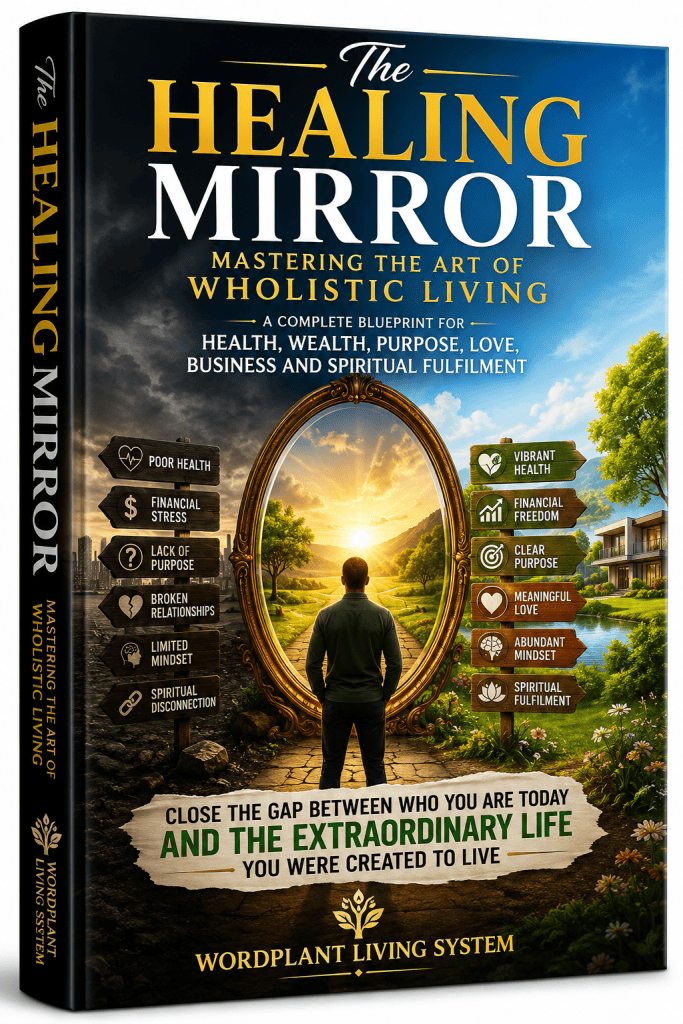
Featured Reading: The Healing Mirror
Discover The Healing Mirror: Mastering the Art of Wholistic Living—a guide to closing the gap between where you are today and the life you want to build across health, wealth, purpose, love, business, and spiritual fulfilment.
The central invitation is simple: understand your present position, clarify your desired destination, identify the barriers, and take meaningful steps forward.
A Message from Wordplant Living System
At Wordplant Living System, we believe better health begins with better information, thoughtful lifestyle choices, responsible use of nature, and appropriate healthcare.
Our mission is to help people understand their bodies, cultivate supportive habits, and make informed decisions about their wellbeing.
Wordplant Living System Restoring Health Naturally Through Knowledge, Lifestyle and Nature.
Warm regards, Alfred Okoko Founder, Healing Gap Framework Wordplant Living System Life Transformation & Wellness Empowerment
Health note: This newsletter is for education and general wellbeing, not a diagnosis or a substitute for professional medical advice. Lifestyle changes can support health but do not replace indicated treatment. Do not stop or change prescribed medicines without consulting your healthcare professional.
Discover how beetroot may help support healthy blood pressure through dietary nitrates, improved blood vessel function, and better cardiovascular health. Learn its benefits, preparation methods, limitations, and safety precautions.
Introduction: Can a Simple Root Vegetable Help Support Your Blood Pressure?
High blood pressure is one of the most common health challenges affecting adults worldwide. In Kenya, many people live with hypertension without knowing it, while others struggle to keep their readings within a healthy range despite making lifestyle changes.
The challenge is that high blood pressure often develops without obvious symptoms.
You may feel perfectly healthy while your heart and blood vessels are exposed to increased pressure every day.
Over time, uncontrolled hypertension can increase the risk of stroke, heart disease, kidney damage, and other serious complications.
This raises an important question:
Can something as simple as beetroot help support healthy blood pressure naturally?
Beetroot, also known as beet, is a colourful root vegetable that has attracted considerable scientific interest because it contains naturally occurring nitrates.
The body can convert these dietary nitrates into nitric oxide, a molecule that helps blood vessels relax and widen. This process may improve blood flow and produce a modest reduction in blood pressure in some people.
However, beetroot is not a miracle cure for hypertension.
Its effects vary between individuals, and eating beetroot does not replace prescribed blood pressure medication or regular medical monitoring.
At Body Garden Mastery, the Healing Gap Framework encourages people to understand their current health status, identify barriers to improvement, and take practical steps toward better wellbeing.
In this article, we will explore how beetroot may support healthy blood pressure, what research suggests, how to include it in your diet, and what precautions you should understand before using it as part of your wellness routine.
1. Understanding High Blood Pressure
Blood pressure is the force exerted by circulating blood against the walls of your arteries.
A blood pressure reading contains two numbers:
Systolic pressure: The pressure when the heart contracts.
Diastolic pressure: The pressure when the heart relaxes between beats.
A reading of 120/80 mmHg is commonly used as an example of a blood pressure level within the normal range for adults, although interpretation and treatment targets depend on individual circumstances and the clinical guidelines being followed.
High blood pressure occurs when readings remain elevated over time.
It may develop because of a combination of factors, including genetics, age, kidney function, dietary habits, physical inactivity, excess body weight, and other medical conditions.
Many people have no noticeable symptoms.
That is why measuring your blood pressure is far more reliable than judging it by how you feel.
Why does hypertension matter?
Persistently elevated blood pressure can place excessive strain on the heart and blood vessels.
Over time, it can contribute to:
Stroke.
Heart attack.
Heart failure.
Kidney disease.
Damage to blood vessels.
Certain forms of vision loss.
The encouraging news is that hypertension can often be managed effectively through appropriate lifestyle changes, medication when necessary, and regular monitoring.
Beetroot may be one useful component of a broader dietary approach.
To understand why, we need to examine what makes this vegetable particularly interesting.
2. The Science Behind Beetroot and Blood Pressure
Beetroot contains several nutrients and plant compounds, but its naturally occurring nitrate content is particularly relevant to blood pressure.
When you eat nitrate-rich foods, some of the nitrate enters your bloodstream.
A portion is concentrated in saliva and converted by oral bacteria into nitrite. After swallowing, nitrite can participate in processes that produce nitric oxide in the body.
Nitric oxide is important for the normal function of blood vessels.
It helps signal the smooth muscles within blood vessel walls to relax.
When these muscles relax, the vessels can widen, a process known as vasodilation.
Wider blood vessels can reduce resistance to blood flow and may help lower blood pressure.
This is one reason researchers have investigated beetroot juice and other nitrate-rich foods for their potential cardiovascular benefits.
Why nitric oxide matters
Healthy blood vessels need to respond appropriately to changes in blood flow and the body’s demands.
Nitric oxide plays a role in:
Regulating blood vessel tone.
Supporting normal blood flow.
Influencing vascular resistance.
Helping maintain healthy endothelial function.
The endothelium is the thin layer of cells lining blood vessels.
When endothelial function is impaired, blood vessels may not respond as effectively as they should.
Dietary nitrates may help support the body’s nitric oxide pathway, although the effect depends on several factors, including the person’s health, the amount consumed, and the form of beetroot used.
The important point is that beetroot may support a normal physiological process involved in blood pressure regulation. It does not directly remove the underlying causes of hypertension.
3. What Does Research Say About Beetroot and Blood Pressure?
Scientific studies have examined whether beetroot juice and nitrate-rich beetroot products can reduce blood pressure.
Some clinical trials and systematic reviews suggest that consuming beetroot juice may produce a modest reduction in systolic blood pressure, particularly in some adults with elevated blood pressure.
However, the findings are not completely consistent.
The effects vary according to the study population, nitrate content, amount consumed, duration of use, and other methodological differences.
Some studies report improvements, while others find smaller effects or no significant change.
It is also important to distinguish between short-term changes in blood pressure and evidence that a food prevents heart attacks, strokes, or other long-term complications.
A reduction in blood pressure is potentially beneficial, but research on beetroot itself does not establish that eating it prevents these outcomes.
What should you take away from the evidence?
Three conclusions are reasonable.
First: Beetroot contains dietary nitrates that may support blood vessel function.
Second: Beetroot juice may modestly lower blood pressure in some people, but the response is not guaranteed.
Third: Beetroot should be considered part of a healthy dietary pattern rather than a stand-alone treatment for hypertension.
This balanced interpretation allows you to benefit from nutritious foods without expecting them to do more than the evidence supports.
4. Beetroot Provides More Than Dietary Nitrates
Although nitrates attract much of the attention, beetroot also contributes other nutrients and plant compounds to your diet.
Folate
Beetroot contains folate, a B vitamin required for normal cell function and the production of DNA and red blood cells.
Adequate folate intake is important for overall health, although folate itself should not be considered a direct treatment for hypertension.
Potassium
Beetroot provides potassium, a mineral involved in fluid balance, nerve function, and muscle contraction.
Adequate potassium intake can help support healthy blood pressure, particularly as part of a diet that includes a variety of vegetables, fruits, and legumes.
However, people with chronic kidney disease or certain medication-related risks may need to limit potassium intake.
If you have been advised to follow a potassium-restricted diet, ask your healthcare professional whether beetroot is appropriate for you.
Dietary fibre
Whole beetroot contains dietary fibre, which supports normal bowel function and contributes to overall dietary quality.
Fibre-rich foods can also help people build a balanced eating pattern that supports weight management and metabolic health.
Juicing removes much of the fibre, depending on the preparation method.
For this reason, eating whole beetroot can offer nutritional advantages over drinking juice alone.
Antioxidant compounds
Beetroot contains betalains, pigments responsible for much of its distinctive red-purple colour.
These compounds have been studied for their antioxidant and anti-inflammatory properties.
However, findings from laboratory research do not automatically demonstrate a specific health benefit in humans.
It is more accurate to view beetroot as a nutritious vegetable that contributes to a varied diet than to describe it as a detoxifying or disease-reversing remedy.
5. Should You Eat Beetroot or Drink Beetroot Juice?
Both whole beetroot and beetroot juice can fit into a healthy dietary pattern.
The best choice depends on your preferences, nutritional needs, and health circumstances.
Whole beetroot
Eating whole beetroot provides dietary fibre along with naturally occurring nitrates and other nutrients.
You can:
Boil it until tender.
Steam it.
Roast it.
Grate it into salads.
Add it to vegetable dishes.
Blend it into a smoothie without straining away the pulp.
Avoid adding excessive salt to beetroot dishes, particularly if you are trying to manage hypertension.
Whole beetroot is a practical choice for everyday meals because it provides fibre and encourages a varied diet.
Beetroot juice
Juicing makes it possible to consume beetroot in liquid form.
Some clinical studies investigating blood pressure have used beetroot juice with a measured nitrate content.
However, commercially available products vary considerably in their nitrate concentration.
A glass of homemade juice is not necessarily equivalent to the preparations used in clinical trials.
Juice may also deliver the natural sugars from several beetroots more quickly than eating a whole vegetable.
If you have diabetes or need to manage your carbohydrate intake, consider portion size and discuss dietary choices with your healthcare professional.
Which is better?
There is no universal answer.
Whole beetroot is an excellent option for everyday nutrition because it retains its fibre.
Beetroot juice may be convenient, but its effects depend partly on the nitrate content and the amount consumed.
You do not need to purchase expensive concentrated beetroot products to maintain a healthy diet.
Ordinary vegetables, including beetroot, can contribute to cardiovascular wellness as part of a broader dietary strategy.
6. How Much Beetroot Should You Consume?
There is no universally established beetroot serving that guarantees a particular reduction in blood pressure.
Research studies use different quantities and preparations, making direct comparisons difficult.
For everyday eating, you can include a moderate serving of cooked or raw beetroot as one component of your regular vegetable intake.
For example, you might add a small beetroot to a meal containing leafy vegetables, beans, and a whole-grain food.
Alternatively, you could prepare a modest glass of beetroot juice occasionally if it suits your dietary needs.
The important principles are consistency, variety, and moderation.
Avoid assuming that consuming very large quantities will produce a greater benefit.
Concentrated nitrate supplements and beetroot products marketed for performance or blood pressure may deliver substantially different amounts of active compounds.
If you are considering concentrated products, discuss their suitability with a healthcare professional, particularly if you take blood pressure medication or have kidney disease.
Beetroot works best as a food choice within an overall healthy lifestyle—not as an invitation to consume unlimited quantities of juice or supplements.
7. Beetroot and Blood Pressure Medication: What You Should Know
One of the most important safety considerations is the relationship between beetroot and prescribed medication.
If you take medicines for hypertension, you may wonder whether drinking beetroot juice could lower your blood pressure too much.
The answer depends on your individual circumstances.
Because nitrate-rich beetroot products may modestly lower blood pressure, combining concentrated products with blood pressure medicines could potentially contribute to lower readings in some people.
However, the effect is variable, and ordinary dietary servings should not automatically be considered dangerous for everyone taking hypertension medication.
Take these precautions
If you are using blood pressure medication:
Continue taking it as prescribed.
Tell your healthcare professional if you plan to use concentrated beetroot juice or nitrate supplements regularly.
Monitor your blood pressure according to your clinician’s advice.
Seek advice if you experience dizziness, faintness, or unusual weakness.
Do not reduce or discontinue medication based on a single improved reading.
Some prescribed medicines, such as nitrate medications used for certain heart conditions, require particular care when combined with other substances that influence blood vessel function.
Discuss concentrated products with your clinician or pharmacist before using them.
The goal is to support your treatment safely, not to replace a proven treatment with a food-based experiment.
8. Who Should Be Careful With Beetroot?
Beetroot is safe for most people when eaten in ordinary food amounts.
Nevertheless, certain circumstances deserve attention.
People with a history of kidney stones
Beetroot contains oxalates, naturally occurring compounds that can contribute to calcium oxalate stone formation in susceptible individuals.
If you have a history of calcium oxalate kidney stones, ask your healthcare professional whether you need to limit beetroot or other high-oxalate foods.
The appropriate advice depends on your stone history and overall diet.
People with chronic kidney disease
Some people with kidney disease need to manage potassium intake.
Because beetroot contains potassium, the amount that is appropriate for you depends on your kidney function, blood potassium levels, and treatment plan.
Do not assume that every vegetable is suitable in unlimited quantities when you have advanced kidney disease.
People prone to low blood pressure
If you already experience low blood pressure, recurrent dizziness, or fainting, seek advice before adding concentrated nitrate-rich products to your routine.
Changes in urine or stool colour
Beetroot can cause reddish or pinkish urine or stool in some people.
This can be harmless, but do not automatically attribute red urine or bloody-looking stool to beetroot.
If the change is unexplained, persists, or is accompanied by pain or other symptoms, seek medical advice.
The principle is simple: nutritious foods can be beneficial, but personal health circumstances still matter.
9. Beetroot Is Not the Only Food That Supports Healthy Blood Pressure
One of the most common mistakes in natural wellness is focusing on a single food while overlooking the rest of the diet.
Beetroot may contribute beneficial nitrates, but healthy blood pressure depends on a much wider range of factors.
Other vegetables, fruits, legumes, and whole grains provide nutrients that support cardiovascular health.
A dietary pattern similar to the Dietary Approaches to Stop Hypertension (DASH) diet emphasises vegetables, fruits, whole grains, legumes, nuts, and appropriate sources of protein while limiting excess sodium.
You can adapt these principles to affordable foods available in Kenya.
Consider incorporating:
Leafy vegetables: Sukuma wiki, spinach, amaranth leaves, and other traditional greens.
Legumes: Beans, green grams, lentils, and other suitable pulses.
Fruits: Bananas, oranges, pawpaw, and other seasonal options appropriate to your dietary needs.
Whole grains: Whole maize, millet, sorghum, oats, and other minimally processed grains.
Healthy fats: Suitable quantities of nuts, seeds, and unsaturated vegetable oils.
Protein sources: Fish, eggs, legumes, and other appropriate foods.
The aim is not to build a diet around expensive health products.
It is to make ordinary meals more nutritious and sustainable.
10. Reduce Salt to Support Healthy Blood Pressure
Sodium intake is an important dietary factor affecting blood pressure.
Excessive sodium can contribute to elevated blood pressure, particularly in people who are salt-sensitive.
The World Health Organization recommends that adults consume less than 2,000 milligrams of sodium per day, equivalent to less than 5 grams of salt from all sources.
That is approximately one level teaspoon of salt in total, including salt already present in foods—not simply the amount added during cooking.
Practical ways to reduce salt
Use less salt when preparing meals.
Reduce frequent consumption of very salty processed foods.
Check labels where available.
Flavour food with herbs, spices, garlic, ginger, lemon, or other suitable ingredients.
Be mindful of salt added at the table.
Do not replace ordinary salt with potassium-based salt substitutes without checking whether they are safe for you, especially if you have kidney disease or take medicines that can raise potassium levels.
Combining sensible sodium reduction with a vegetable-rich diet is a more comprehensive approach than relying on beetroot alone.
11. Movement, Weight Management, and Sleep Matter Too
Diet is only one part of blood pressure management.
Other daily habits can make a meaningful difference.
Regular physical activity
Physical activity helps support cardiovascular health and may reduce blood pressure over time.
Many adults can work toward at least 150 minutes of moderate-intensity aerobic activity each week, provided this is appropriate for their medical circumstances.
Brisk walking, cycling, swimming, and similar activities are possible options.
If you have been inactive for a long time or have a medical condition, begin gradually and seek advice when necessary.
Healthy weight management
For people with overweight or obesity, gradual weight loss can help lower blood pressure and improve metabolic health.
Avoid extreme diets and unregulated weight-loss products.
Focus on sustainable changes in food choices, portions, activity, and sleep.
Better sleep
Poor sleep and sleep disorders can contribute to cardiovascular problems.
Aim for a regular sleep routine and seek medical advice if you experience loud snoring, witnessed breathing pauses, or persistent daytime sleepiness.
Sleep apnoea, in particular, can be associated with difficult-to-control hypertension.
Avoid tobacco and limit alcohol
Smoking damages blood vessels and increases cardiovascular risk.
Reducing or avoiding alcohol can also support healthier blood pressure, depending on your circumstances.
These habits, together with a balanced diet, provide a stronger foundation for blood pressure management than any single vegetable can offer.
12. Why You Must Monitor Your Blood Pressure
You cannot reliably determine your blood pressure by how you feel.
Many people with hypertension experience no symptoms, even when their readings are dangerously high.
Likewise, headaches, fatigue, and dizziness can occur for many reasons and do not reliably indicate a person’s blood pressure level.
If you are managing hypertension, regular measurement is essential.
How to measure blood pressure more reliably
When using a suitable upper-arm monitor:
Avoid exercise, smoking, and caffeine for approximately 30 minutes beforehand.
Empty your bladder.
Sit quietly for at least five minutes.
Keep your back supported and your feet flat on the floor.
Rest your arm at heart level.
Use the correct cuff size.
Take two readings about one minute apart and record the results.
Follow your healthcare professional’s instructions regarding the timing and frequency of measurements.
A series of readings is generally more informative than a single measurement.
If your blood pressure remains above your treatment target, discuss the results with your clinician.
Do not assume that eating beetroot has corrected your hypertension simply because one reading is lower.
When is high blood pressure an emergency?
If you obtain a reading above 180 systolic and/or 120 diastolic, wait at least one minute and repeat the measurement.
If it remains that high, contact a healthcare professional urgently.
If a reading in this range occurs with chest pain, shortness of breath, weakness, numbness, difficulty speaking, changes in vision, or another concerning symptom, seek emergency medical care immediately.
Do not attempt to manage a potentially dangerous blood pressure reading with beetroot juice or other home remedies.
13. The Healing Gap Framework: Turn Knowledge Into Action
At Body Garden Mastery, the Healing Gap Framework offers a practical way to translate health information into everyday habits.
It encourages you to understand your current situation, define your desired state, identify barriers, choose action steps, track progress, and work toward your personal Freedom Day.
Let’s apply it to blood pressure management.
Step 1: Establish Your Baseline Day
Begin by understanding your current health situation.
Ask yourself:
What are my recent blood pressure readings?
Have I been diagnosed with hypertension?
Do I take prescribed medication?
How much salt do I consume?
How often do I eat vegetables and fruits?
How physically active am I?
Am I sleeping well?
Do I have diabetes, kidney disease, or other cardiovascular risk factors?
Record your readings and relevant observations.
If you have not had your blood pressure checked recently, arrange a measurement.
Step 2: Define Your Desired State
Your desired state might include keeping blood pressure within your clinician-recommended range, improving dietary quality, becoming more active, or reducing your cardiovascular risk.
Make the goal measurable.
For example:
“I will measure my blood pressure as recommended, include vegetables in my daily meals, and walk regularly at a pace appropriate for my health.”
Step 3: Identify the Barriers
Consider what makes improvement difficult.
Possible barriers include excessive salt intake, physical inactivity, poor sleep, difficulty accessing nutritious food, inconsistent medication use, or limited access to blood pressure monitoring.
Some barriers may require practical support or professional guidance.
Step 4: Choose Appropriate Action Steps
Your plan might include:
Eating beetroot as part of a balanced diet.
Increasing the variety of vegetables you consume.
Reducing excessive salt.
Walking regularly.
Improving your sleep routine.
Taking prescribed medication consistently.
Monitoring blood pressure.
Attending medical appointments.
You do not need to make every change overnight.
Choose realistic actions and build on them gradually.
Step 5: Track Your Progress
Keep a record of your blood pressure readings, medication adherence, physical activity, and dietary habits.
Review the results over time.
If readings remain elevated, work with your healthcare professional to adjust your treatment plan.
If you experience dizziness or unexpectedly low readings, seek advice rather than assuming that lower is always better.
Step 6: Celebrate Your Freedom Day
Within the Healing Gap Framework, Freedom Day represents meaningful progress toward your health goals.
It might mean establishing a consistent monitoring routine, improving your diet, becoming more active, or achieving better blood pressure control with appropriate treatment.
The objective is not simply to eat one beneficial vegetable.
It is to build a sustainable lifestyle that supports cardiovascular health over time.
Conclusion: Beetroot Can Help, but Your Whole Lifestyle Matters
Beetroot is a nutritious root vegetable with naturally occurring nitrates that may help support healthy blood vessel function.
Research suggests that beetroot juice can produce modest reductions in blood pressure in some people, although the effect varies and is not guaranteed.
Its nutritional value, affordability, and versatility make it a useful addition to many balanced diets.
However, beetroot cannot reliably cure hypertension, eliminate its underlying causes, or replace prescribed treatment.
The strongest approach combines a vegetable-rich diet, sensible sodium intake, regular physical activity, appropriate weight management, adequate sleep, and consistent blood pressure monitoring.
If you have hypertension, continue taking your medication as prescribed and discuss dietary changes or concentrated beetroot products with your healthcare professional when appropriate.
Through the Healing Gap Framework, begin by understanding your baseline, identifying barriers, and choosing practical steps that support better health.
Do not rely on how you feel. Measure your blood pressure, understand your risks, and take informed action.
Your journey toward better cardiovascular health does not require a miracle food. It requires consistent habits, reliable information, and appropriate care.
Your Next Step
Consider adding beetroot to a balanced meal this week, alongside other vegetables and fibre-rich foods.
At the same time, check your blood pressure if you have not done so recently, review your salt intake, and follow your prescribed treatment plan.
Small, sustainable choices can contribute to a healthier future when they form part of a comprehensive approach to cardiovascular health.
About the Author
Alfred Okoko is the founder of the Healing Gap Framework and a wellness educator with extensive experience in pharmacy and traditional wellness practices. Through Body Garden Mastery and Wordplant Living System, he promotes practical health education, informed lifestyle choices, and responsible approaches to natural wellness. His work encourages people to understand their health challenges, identify barriers to wellbeing, and take sustainable steps toward better health in collaboration with qualified healthcare professionals.
Medical disclaimer: This article is for educational purposes only and does not replace professional medical advice, diagnosis, or treatment. Beetroot is a food, not a substitute for prescribed hypertension medication. Consult a healthcare professional before making significant dietary changes if you have kidney disease, recurrent kidney stones, or other relevant medical conditions. Never stop or reduce blood pressure medication without medical guidance.
By Alfred Okoko | Founder, Wordplant Living System & The Healing Gap Framework
What if your body isn’t your enemy—but a messenger asking you to change the way you live?
For years, I believed that overcoming a health problem meant fighting harder against the symptoms.
When pain appeared, I wanted it gone.
When my body became uncomfortable, I wanted immediate relief.
Like many people, I focused on what I could do to silence the symptoms without fully understanding the bigger picture of my health.
Then came a turning point that changed the way I looked at my body, my lifestyle and my future.
I began to ask a different question.
Instead of asking, “How do I fight my body?”
I asked:
“What if I need to understand my body differently?”
That question became the beginning of a new journey.
And it eventually helped shape the philosophy behind theo Healing Gap Framework.
🌱 MY STORY: THE DAY I BEGAN LOOKING AT HEALTH DIFFERENTLY
In 2016, I weighed approximately 123 kilograms.
I was living with osteoarthritis, high blood pressure, numbness in my hands and feet, and peptic ulcers associated with the medicines I had been using for arthritis.
I had spent about a year pursuing conventional approaches with little relief from some of my major concerns.
I knew something needed to change.
But I began to realize that repeatedly focusing on individual symptoms was not giving me the broader understanding I needed.
I started examining my daily habits, nutrition, movement, weight, emotional wellbeing and other lifestyle factors.
I began studying how these different elements might influence my health.
I explored changes to my diet and lifestyle and developed a more structured personal wellness plan.
Over the following months, I made substantial changes.
My weight reduced from approximately 123 kilograms to 97 kilograms in about 120 days. I subsequently reached approximately 86 kilograms.
I also experienced major improvements in several of the health problems I had been struggling with.
These were important personal milestones.
But the most significant change was not simply what happened to my weight.
It was the change in the questions I was asking about my health.
I stopped looking at my body only as a source of discomfort.
I began looking at it as something I needed to understand, support and care for.
That shift influenced the way I approached wellness education and eventually contributed to the development of my Healing Gap philosophy.
My experience is a personal story, not a guarantee that another person will experience the same results. Conditions such as osteoarthritis, hypertension and peptic ulcers have different causes and may require medical treatment.
🪞 LESSON 1: YOUR BODY IS NOT YOUR ENEMY
When you experience persistent pain, fatigue, digestive discomfort or other symptoms, it is natural to become frustrated.
You may feel betrayed by your own body.
You may wonder why it isn’t responding the way you want.
You may even begin to believe that your body is working against you.
But consider another perspective.
Symptoms are information that deserves attention.
Pain may indicate an injury, inflammation or another underlying problem.
Persistent fatigue can have many possible causes.
Digestive discomfort may reflect anything from temporary irritation to a condition requiring medical evaluation.
Symptoms do not always reveal their cause, and some serious conditions produce few early warning signs.
That is why listening to your body means taking symptoms seriously, seeking appropriate assessment and making informed decisions.
It does not mean assuming that every symptom can be corrected through lifestyle changes alone.
The turning point begins when you replace frustration with curiosity and appropriate action.
Instead of asking:
“Why is my body doing this to me?”
Try asking:
“What do I need to understand about this symptom, and what is the safest next step?”
That is a more constructive starting point.
🌿 LESSON 2: STOP LOOKING FOR ONE MAGIC SOLUTION
One of the most important lessons I learned was the value of looking at health more broadly.
Many people search for one food, one herb, one supplement or one exercise that will solve all their health problems.
But human health is complex.
Nutrition matters.
Movement matters.
Sleep matters.
Stress management matters.
Medical care matters.
Your genetics, environment, medical history and social circumstances matter too.
No single remedy can replace a comprehensive approach to a complex health problem.
This is why I developed a deeper interest in the interconnected dimensions of everyday wellness.
I began to see that improving health often requires us to examine several areas of life rather than concentrating on only one.
The goal is not to find a magic solution. It is to identify the right combination of actions for your individual circumstances.
Sometimes that means changing a daily habit.
Sometimes it means receiving medical treatment.
Sometimes it means doing both.
Wisdom lies in knowing the difference.
🌱 LESSON 3: DISCOVER YOUR HEALING GAP
This realization helped shape the central idea of the Healing Gap Framework.
Every meaningful transformation begins with understanding the distance between your current reality and your desired future.
I call that distance the Healing Gap.
The framework follows a practical sequence:
1. YOUR CURRENT STATE
Where are you today?
What symptoms, habits, challenges or circumstances are you dealing with?
What does your current lifestyle look like?
What have you already tried?
2. YOUR DESIRED STATE
Where would you like to be?
Perhaps you want to move more comfortably, improve your eating habits, sleep better, manage a diagnosed condition or regain confidence in your daily activities.
Make your goal realistic and specific.
3. YOUR BARRIERS
What is preventing progress?
Could it be inconsistent habits, limited knowledge, financial constraints, emotional stress, an untreated medical condition or difficulty accessing appropriate care?
Identify the actual barriers rather than blaming yourself.
4. YOUR ACTION PLAN
What practical steps can you take?
Choose actions that are appropriate for your health, circumstances and goals.
5. YOUR PROGRESS
How will you know whether your actions are helping?
Track meaningful indicators, review your experience and seek professional guidance when necessary.
6. YOUR MILESTONE
Recognize the progress you make.
Your milestone might be improved mobility, a healthier routine, better symptom management or a clearer understanding of your condition.
This is your personal version of Freedom Day.
It does not necessarily mean that every health problem has disappeared.
It means you have reached a meaningful goal and gained a clearer path forward.
🥗 LESSON 4: CULTIVATE YOUR BODY GARDEN
Imagine your body as a garden.
A garden needs attention, suitable conditions and ongoing care.
Your body also benefits from daily practices that support health.
At Wordplant Living System, we use the eight pillars of wholistic wellness to help people examine these practices.
🌿 1. Nutrition
Build a balanced eating pattern that supplies the nutrients your body needs.
💧 2. Hydration
Drink adequate fluids according to your individual needs and medical circumstances.
🚶 3. Movement
Choose appropriate physical activity that supports strength, mobility and cardiovascular health.
😴 4. Sleep
Develop habits that support consistent, restorative sleep.
🧘 5. Stress and Emotional Wellness
Make space for relaxation, emotional awareness and supportive relationships.
🌍 6. Environment
Pay attention to environmental exposures, tobacco smoke, alcohol use and the conditions in which you live and work.
🌱 7. Digestion and Microbiome
Support digestive health through appropriate nutrition, while seeking medical evaluation for persistent digestive symptoms.
❤️ 8. Purpose, Relationships and Spiritual Wellbeing
Cultivate meaningful relationships, personal values, purpose and sources of emotional support.
These pillars are not a promise that every disease can be prevented or reversed.
They are a practical way to examine the many influences on wellbeing and identify areas where constructive changes may be possible.
You cannot control every condition affecting your body, but you can often improve the way you care for it.
💚 LESSON 5: WORK WITH YOUR BODY, NOT AGAINST IT
There is a difference between fighting your body and taking responsibility for your health.
Fighting your body can mean ignoring pain, punishing yourself for your weight, following extreme diets or blaming yourself when recovery takes longer than expected.
Working with your body means paying attention, seeking reliable information and making appropriate changes without shame.
It also means understanding that rest is sometimes necessary.
Medical treatment can be necessary.
Professional support can be necessary.
And progress may not always follow a straight line.
If you have a chronic condition, a realistic plan may involve a combination of medical care, rehabilitation, nutrition, physical activity and other appropriate support.
You do not have to choose between conventional healthcare and responsible lifestyle improvement.
The objective is to make informed decisions that support your health and quality of life.
🌿 YOUR MONDAY HEALING GAP CHALLENGE
Today, I invite you to begin your own turning point.
You do not need to change your entire life in one day.
You need to identify your starting point.
Take five minutes to answer these questions.
MY PERSONAL HEALTH REFLECTION
1. Where am I today?
What is the main health or lifestyle concern I want to address?
2. Where would I like to be?
What realistic improvement would make a meaningful difference to my life?
3. What have I been doing repeatedly?
Which habits may be helping me? Which might need attention?
4. What is my biggest barrier?
What has made progress difficult?
5. What is my next appropriate step?
Do I need a medical appointment, a better routine, reliable information or support from someone I trust?
6. What will I do today?
Choose one small, practical action.
Write it down.
Then decide when you will review your progress.
Remember:
Awareness creates an opportunity for action. Consistent action creates an opportunity for change.
📚 FEATURED READING
THE HERBAL COMPASS
Your Family’s Remedy Guide to Mastering Natural Health & Vibrant Wellness
10 Vital Takeaways from The Herbal Compass
Your Body Is Designed to Heal
The foundational principle of the book is that your body possesses an innate healing intelligence. Herbal remedies don’t “fix” you—they support and amplify your body’s natural ability to restore balance. This shift in perspective transforms you from a passive patient into an active participant in your own wellness journey.
Safety First, Always
Natural does not automatically mean safe. The book emphasizes understanding proper dosages, potential herb-drug interactions, and contraindications. Knowing when not to use a remedy—and when to seek professional medical care—is just as important as knowing which herb to reach for. This golden rule protects you and your family.
Preparation Method Determines Potency
How you prepare an herb dramatically affects its healing power. A simple tea (infusion) extracts different compounds than a tincture, salve, or poultice. Mastering basic preparation techniques—teas, decoctions, tinctures, salves, and poultices—unlocks the full therapeutic potential of your herbal pharmacy and ensures you get consistent, reliable results.
Food Is Your First Medicine
Before reaching for any remedy, examine your plate. The book teaches that nutritional foundations—whole foods, proper hydration, and eliminating inflammatory triggers—create the terrain for healing. Herbal remedies work best when built upon a foundation of wholesome nutrition. You cannot out-supplement a poor diet.
Conditions Are Connected, Not Isolated
The body operates as an interconnected system. Skin issues may reflect gut imbalances; hormonal problems may stem from liver congestion; poor circulation may affect brain function. The book teaches you to look for root causes rather than chasing symptoms, addressing the whole person rather than isolated complaints.
One Herb, Many Uses—Learn Your Materia Medica
Rather than memorizing 700 separate remedies, the book empowers you to understand key herbs deeply. Many herbs serve multiple purposes: ginger calms nausea, reduces inflammation, and supports circulation. By learning a core repertoire of versatile herbs, you build confidence and efficiency in your home practice.
Family Wellness Requires Age-Appropriate Care
Children and the elderly have different physiological needs, metabolisms, and sensitivities. The book provides dedicated guidance for adapting remedies across generations—gentler doses for little ones, supportive formulations for aging bodies—ensuring that your herbal practice is safe and effective for everyone under your roof.
Consistency Creates Transformation
Herbal healing is rarely instantaneous. The book emphasizes that chronic conditions require consistent, patient application over weeks or months. A daily cup of supportive tea, a regular salve application, or a sustained dietary shift compounds over time. Patience and consistency are the unsung heroes of natural wellness.
Your Home Pharmacy Is an Investment in Preparedness
Stocking your home with dried herbs, tinctures, salves, and base ingredients is more than a hobby—it’s a form of healthcare preparedness. The book guides you in building a practical, organized herbal cabinet so you’re ready to address common ailments immediately, reducing reliance on emergency trips and over-the-counter medications.
Holistic Wellness Includes Mind, Body, and Spirit
True vibrant health extends beyond physical symptoms. The book integrates stress management, sleep quality, emotional well-being, and mindful living into its protocols. Herbs for anxiety, relaxation, and sleep are part of the toolkit because the mind-body connection is inseparable from physical healing. Wellness is a lifestyle, not a quick fix.
For More Details on the book WhatsApp the word: HERBAL COMPASS
Bonus Takeaway:
This book is a bridge, not a replacement. It empowers you to take charge of everyday wellness while honoring the vital role of professional medical care. Wisdom lies in knowing when to use your herbal knowledge and when to seek expert help.
These ten takeaways capture the heart of The Herbal Compass—a philosophy of empowerment, safety, and holistic living that transforms readers from health consumers into health creators.
Your next step is action.
Your journey unfolds through practice.
💬 A PERSONAL MESSAGE FROM ALFRED OKOKO
My turning point taught me to look at health differently.
I began to pay closer attention to my lifestyle, examine my choices and seek a broader understanding of wellbeing.
My personal experience became part of the inspiration behind the work I now share through Wordplant Living System and the Healing Gap Framework.
I do not believe that every person will experience the same journey or that one approach will work for everyone.
But I believe people deserve access to knowledge that helps them ask better questions, make informed decisions and take a more active role in their wellbeing.
You do not have to wait until everything is wrong before you begin caring for yourself.
You do not have to blame yourself for every health challenge.
And you do not have to navigate your journey without support.
Begin where you are. Understand your situation. Take the next appropriate step.
Your turning point may begin with one question, one decision or one new habit.
The important thing is to begin wisely.
— Alfred Okoko Founder, Wordplant Living System Founder, The Healing Gap Framework
WORDPLANT LIVING SYSTEM
Restoring Health Naturally Through Knowledge, Lifestyle and Nature.
YOUR BODY IS THE GARDEN.
YOUR HABITS ARE THE SEEDS.
YOUR LIFESTYLE IS THE CULTIVATION.
YOUR WELLBEING IS THE HARVEST.
This Monday, stop treating yourself as the enemy. Start treating your health as something worthy of understanding, attention and care.
Health note: This newsletter shares personal experience and general wellness education. It does not replace professional medical advice, diagnosis or treatment. Never stop prescribed medication or delay medical care because of a personal recovery story.
Stop Blaming Every Stomach Problem on Food. Understand the Real Cause.
Discover the Causes of Peptic Ulcers, Protect Your Digestive Health and Close Your Healing Gap.
Have you ever experienced a burning pain in your upper abdomen that seems to come and go?
Do you experience bloating, nausea, or discomfort after eating?
Have you changed your diet repeatedly, hoping your stomach problems will disappear, only for the symptoms to return?
If so, it is time to understand an important fact about peptic ulcers.
Peptic ulcers are not simply caused by eating the wrong foods. Understanding the underlying cause is essential to getting the right treatment.
At Wordplant Living System, we believe that knowledge is the beginning of informed action.
Today, let’s explore peptic ulcers through the Healing Gap Framework and discover practical ways to support your digestive health.
🔎 LESSON 1: WHAT REALLY CAUSES PEPTIC ULCERS?
A peptic ulcer is an open sore that develops in the lining of the stomach or the upper part of the small intestine, called the duodenum.
Two major causes are:
1. Helicobacter pylori (H. pylori)
This is a type of bacteria that can live in the stomach and contribute to inflammation and ulcer formation.
Some people carry H. pylori without noticeable symptoms.
When an infection causes peptic ulcers, appropriate treatment is needed to eliminate the infection and help the ulcer heal.
2. Certain Pain-Relieving Medicines
Medicines known as nonsteroidal anti-inflammatory drugs (NSAIDs) can damage the stomach’s protective lining and cause ulcers.
Examples include ibuprofen, naproxen and aspirin.
The risk depends on factors such as the medicine, dose, duration of use and individual health circumstances.
Important: If you regularly take painkillers for arthritis or another condition and develop stomach pain, speak to a healthcare professional. Do not stop prescribed aspirin or other essential medication without medical advice.
What About Stress and Spicy Foods?
Emotional stress and spicy foods are often blamed for ulcers.
However, ordinary emotional stress and spicy foods are not considered the primary causes of most peptic ulcers.
Stress and certain foods may worsen symptoms in some individuals, but they do not necessarily cause an ulcer.
The lesson? Treat the cause, not just the discomfort.
🪞 LESSON 2: DISCOVER YOUR HEALING GAP
The Healing Gap Framework begins with three questions:
Where am I now?
Where do I want to be?
What is preventing me from getting there?
Imagine someone who experiences recurring upper abdominal pain.
Their current state might include:
Burning stomach discomfort.
Fear of eating certain foods.
Interrupted sleep.
Uncertainty about which treatment to follow.
Repeated use of painkillers or home remedies without understanding the cause.
Their desired state might include:
Understanding what is causing the symptoms.
Receiving appropriate treatment.
Eating comfortably.
Following a suitable nutrition plan.
Having a clear strategy for monitoring recovery.
The distance between the current state and the desired state is the Healing Gap.
Closing that gap begins with the right information and appropriate action.
Today’s Reflection
Ask yourself:
“Am I managing the cause of my stomach problem, or am I only trying to silence the symptoms?”
Your answer can help you identify your next step.
🥗 LESSON 3: WHAT SHOULD YOU EAT IF YOU HAVE PEPTIC ULCERS?
There is no single ulcer diet that heals every peptic ulcer.
However, a balanced eating pattern can support your overall health while you receive appropriate treatment.
Consider these practical suggestions.
1. Eat Balanced Meals
Include a variety of vegetables, fruits, whole grains and suitable protein sources.
Choose foods that you tolerate comfortably.
2. Identify Your Personal Triggers
Some people notice that coffee, alcohol, chilli, acidic foods or large meals aggravate their symptoms.
If a particular food consistently worsens your discomfort, consider reducing it and discussing persistent symptoms with a healthcare professional.
You do not need to eliminate every acidic or spicy food automatically.
3. Avoid Excessive Alcohol
Alcohol can irritate the stomach lining and may worsen symptoms.
Avoiding it during ulcer treatment is a sensible precaution.
4. Avoid Smoking
Smoking increases the risk of ulcer complications and can interfere with healing.
Seeking support to stop smoking can be an important step towards better health.
5. Stay Hydrated
Drink adequate fluids throughout the day, according to your individual needs.
Water supports normal body function, although drinking extra water does not eliminate H. pylori or cure an ulcer.
Remember: food choices can support your wellbeing, but diet alone does not eradicate H. pylori or reliably heal every ulcer.
💊 LESSON 4: WHY THE RIGHT TREATMENT MATTERS
One of the most important steps in managing peptic ulcers is identifying the cause.
A healthcare professional may recommend testing for H. pylori using a breath test, stool test or another appropriate method.
Depending on the findings, treatment may include:
Antibiotics to eliminate H. pylori.
Acid-reducing medicines to allow the ulcer to heal.
Reviewing medicines that may contribute to ulcer formation.
Follow-up testing to confirm that H. pylori has been eradicated.
The precise treatment depends on your diagnosis, medical history and local antibiotic resistance patterns.
If you have H. pylori, completing the prescribed treatment is important.
Follow-up testing is generally recommended after treatment to confirm eradication.
Do not rely on herbs, food changes or temporary pain relief as substitutes for appropriate ulcer treatment.
Untreated peptic ulcers can cause serious complications, including bleeding and perforation.
🌿 LESSON 5: CAN NATURAL REMEDIES HEAL PEPTIC ULCERS?
Many traditional remedies are used to soothe digestive discomfort.
However, evidence supporting herbal remedies as reliable treatments for peptic ulcers is limited.
Some products can also interact with medicines or cause side effects.
Before using herbs or supplements:
Tell your healthcare professional what you intend to take.
Check for possible interactions.
Avoid products that promise guaranteed ulcer cures.
Do not delay testing or prescribed treatment.
Seek advice if symptoms persist or return.
At Wordplant Living System, we believe traditional knowledge should be approached with respect, careful evaluation and responsible health education.
Natural wellness should complement appropriate care—not put your health at risk.
🌱 LESSON 6: SUPPORT YOUR DIGESTIVE HEALTH THROUGH THE 8 PILLARS
The Healing Mirror philosophy encourages a broader view of wellbeing.
Although these lifestyle pillars do not replace ulcer treatment, they can help you develop healthier daily habits.
1. Nutrition
Choose balanced meals and identify foods that personally aggravate your symptoms.
2. Hydration
Maintain adequate fluid intake.
3. Movement
Engage in physical activity appropriate to your health and abilities.
4. Sleep
Build a consistent sleep routine that supports recovery and daily functioning.
5. Stress and Emotional Wellness
Make time for relaxation, supportive relationships and activities that help you manage stress.
6. Environment
Avoid tobacco smoke and excessive alcohol, and maintain good food hygiene.
7. Digestion and Microbiome
Eat a varied diet that supplies fiber and nutrients, according to your tolerance and nutritional needs.
8. Purpose and Relationships
Maintain meaningful connections and seek support when illness affects your emotional wellbeing.
Your digestive health deserves attention, but no single lifestyle pillar can replace the treatment required for an underlying ulcer.
🚨 LESSON 7: KNOW THE WARNING SIGNS
Do not ignore these symptoms.
Seek emergency medical care immediately if you experience:
Vomiting blood or material that looks like coffee grounds.
Black, tarry stools or significant rectal bleeding.
Sudden, severe abdominal pain.
Severe abdominal pain accompanied by faintness, collapse or marked weakness.
These may indicate serious complications.
Seek medical assessment promptly if you have persistent upper abdominal pain, unexplained weight loss, recurrent vomiting, difficulty swallowing or symptoms that do not improve with treatment.
Early evaluation can help identify the problem and reduce the risk of complications.
📋 YOUR PEPTIC ULCER HEALING GAP SCORECARD
Take a few minutes today to complete this exercise.
1. My main digestive symptom:
2. When the symptoms usually occur:
3. Medicines and supplements I currently use:
4. Have I been tested for H. pylori? Yes / No / Not sure
5. Have I received a medical assessment for my symptoms? Yes / No
6. One habit I can improve this week:
7. One question I need to ask my healthcare professional:
8. My next practical action:
The purpose is not to diagnose yourself.
It is to identify what you know, what you do not know, and what you need to do next.
That is how you begin closing your Healing Gap.
📚 FEATURED READING: THE HEALING MIRROR SERIES
THE HEALING MIRROR
Mastering the Art of Wholistic Living
A Complete Blueprint for Health, Wealth, Purpose, Love, Business and Spiritual Fulfilment
Close the Gap Between Who You Are Today and the Extraordinary Life You Were Created to Live.
The Healing Mirror invites you to examine the habits, beliefs, decisions and daily practices that influence your overall wellbeing.
Through the Healing Gap Framework, you can learn to:
Assess your current situation honestly.
Identify barriers to progress.
Set meaningful goals.
Develop practical action plans.
Monitor your progress.
Make informed adjustments along the way.
Because transformation begins when you stop guessing and start understanding.
💚 A MESSAGE FROM WORDPLANT LIVING SYSTEM
Your stomach discomfort is not something you should have to navigate through fear and confusion.
You deserve to understand what may be causing it.
You deserve appropriate treatment.
You deserve reliable information about food, medicines and lifestyle.
And you deserve a plan that respects both your health and your individual circumstances.
Do not let temporary relief distract you from identifying the underlying cause.
That is the beginning of a more informed wellness journey.
🌿 WORDPLANT LIVING SYSTEM
Restoring Health Naturally Through Knowledge, Lifestyle and Nature.
Your body is the garden. Your habits are the seeds. Your lifestyle is the cultivation. Your wellbeing is the harvest.
TODAY’S REMINDER
Understand the cause. Follow appropriate treatment. Nourish your body. Close your Healing Gap.
Health disclaimer: This newsletter is for educational purposes only. It does not replace medical diagnosis, treatment or professional advice. Peptic ulcers can cause serious complications, so persistent symptoms require appropriate medical assessment.
Waking up with joint pain and stiffness every morning?Discover expert-backed natural remedies, anti-inflammatory foods, and gentle movement routines to reclaim your mornings.
Introduction
The alarm goes off. Before your feet even touch the floor, you already feel it—that familiar, heavy ache in your hands, knees, or back. You lie there for a moment, hoping it will pass, but the stiffness clings to you like a wet blanket. For many members of our Arthritis Home Remedies community, this isn’t just a bad morning. It’s a daily reality.
One member recently shared a comment that resonated with hundreds in our Facebook group: “Pain, pain every day when waking up in the morning.”
It’s a simple sentence, but it carries the weight of chronic discomfort. If this sounds like your morning ritual, you are not alone. And more importantly, you are not without options. While morning stiffness is common, there is a significant difference between the occasional creakiness of aging and the persistent, painful grip of arthritis. Understanding why this happens is the first step toward finding relief.
Why Does Arthritis Pain Peak in the Morning?
To understand why your body feels like rusted machinery at dawn, you have to understand what happens while you sleep. According to rheumatologists at the Cleveland Clinic, your joints are naturally lubricated by a fluid called synovial fluid . When you move throughout the day, this fluid circulates, keeping your joints gliding smoothly.
However, when you sleep, you are inactive for hours. During this time, the synovial fluid thickens and pools in the joint spaces. Additionally, inflammatory cells and fluid can accumulate in the tissues surrounding the joints. The result is a sensation often called “morning gel”—where your joints feel temporarily glued together .
For those with osteoarthritis, this stiffness is usually brief, often fading within 30 minutes of movement. However, for inflammatory conditions like rheumatoid arthritis, the stiffness can last for an hour or more and is often accompanied by significant pain . The pain you feel upon waking is your body’s inflammatory response signaling that it needs to get moving again.
The “Motion is Lotion” Principle
The most frustrating paradox of morning arthritis pain is that the very thing you want to do—stay still and avoid the pain—is often the worst thing for your joints. Experts frequently use the phrase “motion is lotion” for a reason .
When you avoid movement, the synovial fluid remains thick, and the inflammatory fluid remains stagnant. Gentle movement is required to “pump” the fluid through the joint, thinning it out and nourishing the cartilage.
Dr. Ahmed Elghawy notes that while over-the-counter pain relievers can help, “lifestyle changes often make the biggest difference” . You don’t need to run a marathon. You simply need to remind your body how to move again, gently.
A Gentle Morning Routine to “Unstick” Your Joints
Before you even get out of bed, you can begin the process of easing your stiffness.
The Wake-Up Stretch: Start by wiggling your fingers and toes. Roll your wrists and ankles in slow, circular motions. This simple act begins to draw the thickened synovial fluid out of the joint spaces and back into circulation .
The Warm Shower: Heat is a powerful tool for loosening stiff muscles and joints. A warm shower or a heating pad applied to the stiff area for 15 to 20 minutes can help relax the muscles surrounding the joint, making movement easier .
Range-of-Motion Exercises: According to Columbia Doctors, range-of-motion exercises are essential for preventing stiffness and maintaining flexibility. These involve moving each joint as far as you can in each direction without causing pain. For fingers, this might mean gently bending and straightening them, or making a fist and releasing it .
Taming the Fire: Diet and Inflammation
While movement is mechanical, the pain itself is chemical—driven by inflammation. Your diet plays a profound role in either stoking that fire or helping to extinguish it.
Nutrition experts at Mass General Brigham emphasize that it’s less about single “magic” foods and more about overall dietary patterns . The two diets most consistently recommended for arthritis are the Mediterranean Diet and the DASH Diet. Both emphasize whole foods, plants, and healthy fats, while minimizing ultra-processed foods that trigger inflammation .
Foods That Fight Morning Pain
· Omega-3 Rich Fish: Salmon, sardines, and mackerel are champions at reducing inflammation. Studies show that omega-3 fatty acids help combat the inflammatory compounds that cause joint pain . · Colorful Fruits and Vegetables: These are packed with antioxidants and polyphenols, which act as a natural defense system against cellular damage and inflammation . · Herbs and Spices: Turmeric (curcumin) is a standout here. Johns Hopkins Medicine notes that curcumin has strong antioxidant and anti-inflammatory properties, and some research shows people with osteoarthritis report less joint pain when incorporating turmeric into their diet . Ginger is another warming spice with similar benefits .
Foods to Avoid
If you want to reduce your morning pain, consider cutting back on:
· Refined Sugars and Starches: White bread, sugary snacks, and pastries can spike inflammation . · Fried Foods and Processed Meats: These contain saturated fats that promote inflammation in the body . · Gluten and Nightshades (if sensitive): While there is little scientific support for avoiding nightshades (like tomatoes and peppers) for everyone, some individuals report flare-ups. The Arthritis Foundation suggests that if you suspect a food intolerance, try eliminating one food group at a time for two weeks to see if symptoms improve .
Natural Remedies: What Works and What Doesn’t
The internet is full of “miracle cures” for arthritis, and our Facebook group often discusses them. As a responsible resource, it is crucial to separate evidence-based remedies from folklore.
The Turmeric Truth
Turmeric is one of the most researched natural remedies. A guide from UCLH notes that while turmeric is not a cure, some trials suggest that curcumin can modestly reduce joint pain and stiffness, sometimes performing comparably to anti-inflammatory painkillers in short studies . How to use it: Culinary turmeric is safe for most. If using supplements, choose one with piperine (black pepper extract) to improve absorption, but be aware of potential interactions with blood thinners .
The Apple Cider Vinegar Myth
Many people swear by apple cider vinegar (ACV) for arthritis. However, the science is not just thin—it’s practically nonexistent. According to Alberta Rheumatology, there are no studies supporting the use of apple cider vinegar for rheumatic conditions . In fact, a study on rats with adjuvant arthritis found that apple cider vinegar was not only ineffective but showed greater joint destruction compared to those given water . While ACV is harmless for most when diluted, it should not replace proven treatments.
Herbal Helpers with Promise
Other herbs are gaining scientific traction. Boswellia (Frankincense) has shown effectiveness in reducing pain and improving joint function in both osteoarthritis and rheumatoid arthritis . Aloe Vera applied topically has demonstrated anti-inflammatory properties without the gastrointestinal side effects of NSAIDs . Green Tea provides polyphenols that may support overall inflammatory health .
The Power of Community and Consistency
One of the most underrated remedies for morning pain is connection. Chronic pain is isolating. It makes you want to withdraw. But sharing your experience, like the member in our group did, is a form of therapy.
When you know that others are waking up with the same “rusted hinge” feeling, you realize that your pain is not a personal failure. It is a symptom of a condition that requires management, not defeat.
A Note on Supplements
It is vital to remember that dietary supplements are not regulated like medications. The turmeric and boswellia you buy may vary in quality and dose. Always inform your doctor or pharmacist about any supplements you take, especially if you are on blood thinners or other medications .
Conclusion: Reclaiming Your Mornings
Waking up in pain every day is exhausting. It steals the joy from the start of your day. But the comment from our group member is not just a complaint; it is a call to action.
By understanding the mechanism of morning gel, embracing gentle movement, and strategically using anti-inflammatory nutrition, you can shorten the duration of that morning stiffness. You may not eliminate it entirely, but you can loosen its grip.
Start tonight. Put a heating pad by your bed. Plan a breakfast rich in omega-3s. Tomorrow morning, before you despair, wiggle your fingers, take a warm shower, and gently move. Your body wants to work with you. Sometimes, you just have to remind it how.
Don’t Just Live With Joint Pain. Understand Your Healing Gap.
Understanding Arthritis, Supporting Your Joints and Reclaiming Your Quality of Life
Today, 12 October, is World Arthritis Day!
For millions of people around the world, arthritis means more than joint pain.
It can mean waking up with stiff fingers, struggling to climb stairs, finding it difficult to walk long distances, or wondering whether tomorrow will bring another painful day.
For some, even simple activities such as opening a bottle, getting dressed, standing up or walking to the shop can become daily challenges.
But here is an important message for everyone living with arthritis:
Your pain deserves attention. Your mobility matters. And your health journey deserves a plan.
At Wordplant Living System, we believe that understanding your condition, making informed lifestyle choices and working with appropriate healthcare professionals can help you take a more active role in your wellbeing.
Today, let’s explore arthritis through the Healing Gap Framework™.
🌿 LESSON 1: UNDERSTAND WHAT ARTHRITIS REALLY IS
Arthritis is not one single disease. It describes a group of conditions that affect the joints and surrounding tissues.
Two common forms are:
1. Osteoarthritis
Osteoarthritis involves changes in the whole joint, including cartilage, bone and other joint tissues.
It commonly affects the knees, hips, hands and spine.
Symptoms may include:
Joint pain during or after movement.
Stiffness after rest.
Reduced flexibility.
Swelling or tenderness.
Difficulty performing everyday activities.
Age, previous joint injuries, genetics and other factors can contribute to its development.
2. Rheumatoid Arthritis
Rheumatoid arthritis is an autoimmune inflammatory disease in which the immune system attacks the lining of the joints.
It can cause pain, swelling, stiffness and joint damage.
Unlike osteoarthritis, rheumatoid arthritis can affect the whole body and requires appropriate medical assessment and treatment.
Why does this distinction matter?
Because different types of arthritis may require different treatments.
Understanding your condition is the first step towards making informed decisions.
🌱 LESSON 2: YOUR HEALING GAP
The Healing Gap Framework begins with a simple question:
Where are you today, and where would you like to be?
Imagine someone whose knees hurt when climbing stairs.
Their current state might be:
Knee pain during movement.
Difficulty walking long distances.
Reduced physical activity.
Fear of making the pain worse.
Their desired state might be:
Better mobility.
Greater confidence when walking.
Improved strength.
More independence in daily activities.
The difference between these two states is their Healing Gap.
The next step is to identify barriers and build a realistic action plan.
Remember, the goal is not to promise that every case of arthritis can be reversed. The goal is to identify appropriate ways to manage symptoms, protect joint function and improve quality of life.
Ask Yourself Today:
What is the one activity I wish I could perform more comfortably?
Your daily food choices can contribute to your overall health.
Although no particular food or diet cures arthritis, a balanced eating pattern can support general wellbeing and help manage other factors that affect joint health.
Consider these practical steps:
Eat More Vegetables
Include leafy greens, cabbage, carrots, tomatoes and other vegetables in your regular meals.
Choose Whole Fruits
Enjoy fruits such as oranges, mangoes, pawpaw and bananas as part of a balanced diet.
Include Healthy Protein
Beans, green grams, lentils, eggs, fish and other suitable protein sources can help meet your nutritional needs.
Choose Less-Processed Foods
Reduce your reliance on heavily processed foods and meals high in added sugar, salt and unhealthy fats.
Maintain a Healthy Weight When Appropriate
For people with osteoarthritis of the knees or hips, excess body weight can increase joint loading. Weight management may help reduce symptoms and improve function.
The goal is not to follow a miracle diet. It is to build eating habits you can maintain.
🚶 LESSON 4: MOVEMENT IS PART OF JOINT CARE
When joints hurt, avoiding movement can feel like the safest option.
However, prolonged inactivity can contribute to muscle weakness and reduced mobility.
Appropriate physical activity can help many people with arthritis improve strength, function and quality of life.
Depending on your condition and abilities, options may include:
Gentle walking.
Water-based exercise.
Suitable range-of-motion exercises.
Strengthening exercises.
Activities recommended by a physiotherapist.
Start at a level you can manage and increase activity gradually.
If an exercise causes significant or persistent worsening of pain, stop and seek advice about modifying it.
You do not have to begin with a marathon. Begin with a safe, manageable step.
🌿 LESSON 5: CAN HERBS AND NATURAL REMEDIES HELP?
Traditional herbal knowledge is an important part of many communities, including Kenya.
Some herbs and plant-derived products have been studied for their possible effects on pain or inflammation. However, the evidence varies, and no herbal remedy should be assumed to cure arthritis or reverse joint damage.
Natural does not automatically mean safe.
Herbal products can interact with medicines, cause side effects or vary in quality.
If you use herbal products:
Tell your healthcare professional what you are taking.
Check for possible interactions with prescribed medicines.
Avoid products that promise guaranteed cures.
Do not discontinue prescribed treatment without professional guidance.
At Wordplant Living System, our approach is to combine traditional knowledge with responsible wellness education and appropriate medical care.
The aim is informed self-care, not replacing one form of risk with another.
🪞 LESSON 6: LOOK BEYOND THE JOINT
The Healing Mirror philosophy encourages us to consider the whole person.
Living with arthritis can affect more than physical movement.
It can affect sleep, mood, relationships, confidence and independence.
That is why our wholistic approach considers eight pillars of wellbeing:
2. Hydration — Maintain adequate fluid intake according to your needs.
3. Movement — Choose safe activities that support mobility and strength.
4. Sleep — Develop a consistent sleep routine.
5. Stress and Emotional Wellness — Make space for relaxation, connection and emotional support.
6. Environment — Reduce harmful exposures and create a supportive living environment.
7. Digestion and Microbiome — Support digestive health through an appropriate, varied diet.
8. Purpose and Relationships — Stay connected to meaningful activities and supportive people.
These pillars do not replace arthritis treatment. They provide a broader framework for supporting everyday wellbeing.
📋 LESSON 7: CREATE YOUR ARTHRITIS ACTION PLAN
Today, take a few minutes to complete this simple exercise.
MY ARTHRITIS HEALING GAP SCORECARD
My main challenge: __________________
The activity I want to improve: __________________
My current movement routine: __________________
One nutrition habit I can improve: __________________
One question I need to ask my healthcare professional: __________________
My first practical action: __________________
My review date: __________________
Now choose one realistic action to begin.
You might arrange a medical review, start a suitable exercise programme, improve your sleep routine or keep a record of your symptoms.
Small steps can help you build a more informed and consistent approach to managing your condition.
🚨 IMPORTANT: WHEN JOINT PAIN NEEDS URGENT ATTENTION
Do not assume every episode of joint pain is arthritis.
A joint that suddenly becomes very painful, hot, red or swollen—especially when accompanied by fever or feeling unwell—needs urgent medical assessment because infection and other serious conditions must be considered.
Seek medical advice promptly if you experience rapidly worsening symptoms or significant loss of joint function.
Early assessment can be particularly important in inflammatory arthritis, where timely treatment can help prevent joint damage.
🌿 YOUR WORLD ARTHRITIS DAY CHALLENGE
Today, make three commitments to yourself:
1. I will seek to understand my condition.
2. I will take one safe, practical step towards better joint health.
3. I will seek reliable advice instead of relying on miracle-cure promises.
You cannot control every factor affecting your health.
But you can take an active role in understanding your condition, making informed choices and working with the right healthcare professionals.
That is where empowerment begins.
📚 FEATURED READING FROM THE HEALING MIRROR SERIES
FREEDOM FROM ARTHRITIS NATURALLY
A Practical Guide to Understanding Arthritis, Supporting Joint Health and Improving Your Quality of Life
By Alfred Okoko
This guide explores a lifestyle-centred approach to arthritis education, with an emphasis on nutrition, movement, self-care and informed decision-making.
It is designed to help readers ask better questions, evaluate their habits and create a practical plan to discuss with their healthcare professionals.
Your journey is personal. Your plan should be appropriate for your condition, needs and circumstances.
Also Explore:
THE HEALING MIRROR: MASTERING THE ART OF WHOLISTIC LIVING
A Complete Blueprint for Health, Wealth, Purpose, Love, Business and Spiritual Fulfilment.
Author: Alfred Okoko
Discover the Healing Gap Framework and learn how to assess your current reality, identify barriers, establish meaningful goals and take practical steps towards a more fulfilling life.
💚 A MESSAGE FROM ALFRED OKOKO
Arthritis can challenge your patience, confidence and independence.
But you deserve more than fear, confusion or unrealistic promises.
You deserve knowledge.
You deserve support.
You deserve a practical plan.
And you deserve healthcare decisions grounded in evidence and your individual needs.
Do not measure your entire future by how you feel today. Begin by understanding where you are and identifying the next appropriate step.
That is the spirit of the Healing Gap Framework.
🌿 WORDPLANT LIVING SYSTEM
Restoring Health Naturally Through Knowledge, Lifestyle and Nature.
Your body is the garden.
Your habits are the seeds.
Your lifestyle is the cultivation.
Your wellbeing is the harvest.
This World Arthritis Day, let us replace confusion with knowledge, fear with informed action, and unrealistic promises with practical support.
Educational notice: This newsletter provides general wellness information and does not replace professional medical assessment, diagnosis or treatment.
THE BODY GARDEN MASTERY|Wednesday Wellness Edition Cultivate Wellness. Transform Your Life. SPECIAL FEATURE: THE WELLNESS GAP – What Is Standing Between You and a Healthier, Happier You? Dear Fellow Gardener, Have you ever wondered why some people seem to enjoy better health, energy and vitality while others struggle with recurring health problems, constant fatigue, unexplained… Read more: The Wellness Gap: What Every Man and Woman Should Know About Taking Charge of Their Health.
There’s a reason you trust the imported capsule more than the leaf in your garden. Understanding this bias could change how you see everything. Introduction There’s a quiet principle running through human psychology that explains some of our strangest decisions: we tend to value what is scarce and distant over what is abundant and near.… Read more: The Psychology of Distance: Why We Value What’s Far and Overlook What’s Near|The Body Garden Mastery
Nature, Knowledge, Better Living NEWSLETTER | THE WISDOM WE LEFT BEHIND The Imported Illusion: Are We Overlooking the Treasures Growing in Our Own Backyards? By Alfred Okoko | Founder, Home Remedy Hub Have you ever wondered why something growing freely in your garden can be treated as worthless while a product packaged in an expensive… Read more: HOME REMEDY HUB
The Oldest Clinical Trial: What Nature Can Teach Us About Human Health Theme: Your Body Was Designed for Life—Are Your Daily Habits Supporting It? Dear Friend, We often think of health as a human problem—something we must continually fight to restore through medicines, treatments, and medical discoveries. But there is another way to look at… Read more: WORDPLANT LIVING SYSTEM NEWSLETTER
A Natural Wellness Blueprint for Supporting Your Body, Balancing Your Lifestyle and Reclaiming Your Freedom from Fibroid Fear
By Wordplant Living
Fibroids can change the way a woman experiences her body.
Heavy menstrual bleeding, pelvic discomfort, abdominal pressure, fatigue, painful periods, frequent urination and concerns about fertility can create physical and emotional stress. But beyond the symptoms themselves, many women also experience something less visible: fear and uncertainty about what their future holds.
What can I do naturally?
What should I eat?
Can lifestyle changes make a difference?
How do I support my body while working with my healthcare provider?
Where do I even begin?
These are some of the questions that inspired The Fibroid Healing Gap: A Natural Wellness Blueprint for Supporting Your Body, Balancing Your Lifestyle and Reclaiming Your Freedom from Fibroid Fear, by Wordplant Living.
The book introduces a different way of looking at wellness. Instead of focusing only on the condition, it encourages you to examine the gap between where your health is today and where you want it to be.
The goal is not to promise a miracle cure. It is to give you a framework for making better-informed lifestyle and wellness decisions while encouraging appropriate medical evaluation and care.
Here are 10 vital lessons and takeaways from the book.
1. Your Symptoms Are Messages Worth Listening To
One of the foundational ideas in the Healing Gap approach is:
Symptoms are messages, not enemies.
Symptoms such as heavy periods, pelvic pressure, fatigue or pain should not simply be ignored or covered up without understanding what may be contributing to them.
Your body is communicating with you.
Instead of asking only, “How can I make this symptom disappear?”, the Healing Gap approach encourages another question:
“What is my body trying to tell me, and what can I learn from it?”
This does not mean assuming every symptom has a natural explanation or that medical care is unnecessary.
It means becoming a more informed participant in your health journey.
The first step toward changing your wellness direction is awareness.
2. There Is a Gap Between Your Current Health and Your Desired Health
The central concept of the book is the Healing Gap.
Imagine two points.
On one side is your Current State—what you are experiencing today.
On the other side is your Desired State—the level of wellness, confidence, energy and freedom you want to experience.
Between the two lies the gap.
That gap may contain:
Nutrition challenges
Sedentary living
Poor sleep
Chronic stress
Digestive problems
Environmental factors
Emotional burdens
Limited health knowledge
Inconsistent self-care
Fear and uncertainty
The important lesson is that you do not have to cross the entire gap in one day.
You can close it through small, consistent, intelligent actions.
3. Your Lifestyle Matters
Fibroid care should never be reduced to a single food, herb or supplement.
The book encourages women to look at the bigger picture of lifestyle.
How are you eating?
How much are you moving?
Are you sleeping adequately?
How are you managing stress?
Are you staying hydrated?
How is your digestive health?
What is your relationship with your environment?
Are you making time for emotional wellbeing?
These questions matter because your overall health is influenced by many interconnected factors.
The Fibroid Healing Gap therefore promotes a whole-person wellness perspective rather than searching for one magical remedy.
4. Food Can Become Part of Your Wellness Strategy
One of the most practical lessons is to become intentional about food.
Rather than thinking about diet as punishment or deprivation, the book encourages a shift toward:
“How can I nourish my body better?”
A wellness-oriented eating pattern can emphasize nutrient-dense foods such as vegetables, fruits, legumes, whole grains, quality protein sources and healthy fats, while reducing excessive consumption of highly processed foods, added sugars and heavily fried foods.
The objective is not perfection.
It is progress.
Your plate can become part of your daily wellness strategy.
Every meal provides another opportunity to support your body with nourishment.
5. Stress and Emotional Wellness Belong in the Conversation
Fibroids are not simply a physical experience.
Living with persistent bleeding, pain, fertility concerns or uncertainty can be emotionally exhausting.
That is why emotional wellbeing deserves attention.
The Healing Gap approach encourages practices that can support resilience, such as:
Rest
Breathing exercises
Prayer or spiritual reflection
Meditation
Journaling
Positive relationships
Time in nature
Healthy boundaries
Meaningful activities
Stress management should not be presented as a cure for fibroids.
Rather, it is part of caring for the whole person.
Your emotional wellbeing matters.
6. Movement Is Part of Your Body Garden
The book uses the powerful metaphor of the Body Garden.
Think of your body as a garden.
A garden needs nourishment, water, sunlight, care, maintenance and attention.
Your body needs movement too.
Depending on your health status and symptoms, appropriate physical activity can become part of a broader wellness routine.
Walking, gentle mobility exercises, stretching, dancing or other suitable activities may help support general fitness and wellbeing.
The key principle is:
Move according to your capacity, not according to comparison.
You do not have to become an athlete.
You simply need to begin cultivating a healthier relationship with movement.
7. Learn to Work With Your Healthcare Team
Natural wellness should not mean abandoning responsible medical care.
This is one of the most important messages for anyone exploring the book.
Fibroids can sometimes cause significant bleeding, anemia, pain, fertility problems or pressure on nearby organs. Some situations require professional evaluation and treatment.
Therefore, the Healing Gap approach encourages women to become informed partners in their healthcare journey.
Ask questions.
Understand your diagnosis.
Keep track of symptoms.
Attend recommended appointments.
Discuss supplements and herbs with qualified healthcare professionals, especially if you take medication or have other medical conditions.
Natural wellness and appropriate medical care do not have to be enemies.
They can exist within a responsible, informed health strategy.
8. Stop Looking for the “One Miracle Remedy”
The internet is filled with claims about foods, teas, herbs and supplements that supposedly eliminate fibroids overnight.
Be careful.
A single herb, juice, tea or food should not be presented as a guaranteed cure for fibroids.
The deeper lesson from The Fibroid Healing Gap is that sustainable wellness is usually built through systems rather than shortcuts.
Instead of asking:
“What is the one thing that will cure me?”
consider asking:
“What combination of healthy habits, professional care, knowledge and consistent action can help me support my overall wellbeing?”
That question changes everything.
9. Track Your Progress
What gets measured can become easier to understand.
The Healing Gap framework encourages the concept of establishing a Baseline Day and working toward a Freedom Day.
Your baseline is where you are starting.
You can record information such as:
Menstrual symptoms
Energy levels
Pain or discomfort
Sleep quality
Eating patterns
Movement
Stress levels
Medical observations
Emotional wellbeing
Then periodically review your progress.
The objective isn’t to obsess over numbers.
It is to become more aware.
Progress may sometimes be gradual.
But when you can see your journey, you can make better decisions.
10. Reclaim Your Freedom From Fibroid Fear
Perhaps the most important takeaway is psychological.
A diagnosis does not have to become your entire identity.
Fibroids may be part of your current health story, but they do not have to define your entire future.
Knowledge can replace confusion.
Action can replace helplessness.
A plan can replace overwhelm.
Professional guidance can replace dangerous guesswork.
And consistent lifestyle improvement can replace the belief that nothing can be done.
The goal of The Fibroid Healing Gap is therefore bigger than a discussion about fibroids.
It is about helping women move from:
Fear → Knowledge
Confusion → Clarity
Inaction → Action
Overwhelm → A Plan
Current State → Desired State
That is the Healing Gap journey.
What Makes The Fibroid Healing Gap Different?
This is not simply a list of foods or herbal remedies.
It is a wellness blueprint designed to help you think differently about your health.
The book brings together the principles of the Healing Gap Framework and the Body Garden philosophy to encourage a whole-person approach to wellness.
It asks you to look at the major areas of your lifestyle and consider where your biggest gaps may be.
Your body is not a machine that you simply repair.
Your body is a garden that you cultivate.
And cultivation requires knowledge, patience, consistency and care.
Your Next Step Starts With Knowledge
If you or someone you love is navigating life with fibroids, don’t let fear become the only response.
Start with education.
Start with awareness.
Start with better questions.
Start by understanding where you are today and identifying the practical steps that may help you move toward your desired state of wellness.
The Fibroid Healing Gap: A Natural Wellness Blueprint for Supporting Your Body, Balancing Your Lifestyle and Reclaiming Your Freedom from Fibroid Fear is designed to help you begin that journey.
Get Your Copy
For more information about The Fibroid Healing Gap and how to obtain a copy:
WhatsApp: +254 726 530 868
Send a message saying:
“FIBROID BOOK”
and ask for more information about the book.
Wordplant Living Restoring Health Naturally Through Knowledge, Lifestyle and Nature.
Important wellness note: This book is an educational wellness resource and is not a substitute for diagnosis or treatment from a qualified healthcare professional. Fibroids can require medical evaluation, particularly when there is very heavy bleeding, severe pain, anemia, pregnancy-related concerns or rapidly worsening symptoms. Discuss herbs, supplements and major dietary changes with your healthcare professional, especially if you use medication.